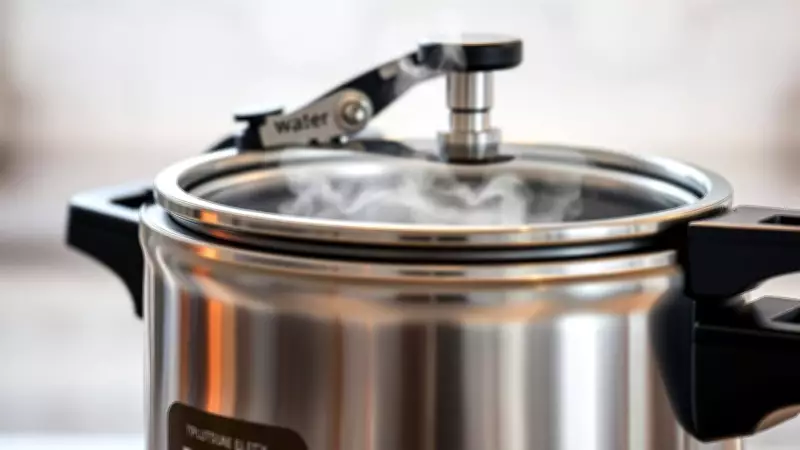
The Hidden Culprit Behind Slow Pressure Cooking
The familiar frustration of waiting by the cooker, anticipating a whistle that never comes, tests even the most patient home cook. While many instinctively blame a worn rubber seal or inadequate flame intensity, the true issue often lies within the cooker itself. Contrary to common belief, the problem is not the heat output from your stove but rather the volume of water placed inside before sealing the lid.
How Pressure Cookers Function as Culinary Steam Engines
A pressure cooker operates as an accelerated steam engine, trapping water vapor within a sealed environment to elevate pressure and temperatures well beyond the standard boiling point of 100 degrees Celsius. This mechanism significantly speeds up cooking times. However, when the liquid quantity is imbalanced, the entire system falters. Attempting to conserve water during food preparation frequently results in unexpectedly prolonged cooking durations.
The Critical Role of Liquid Volume in Cooking Speed
The rate at which food cooks is profoundly influenced by the amount of liquid present. Research from the study A model of heat and mass transfer inside a pressure cooker indicates that the liquid serves dual purposes: as a heat source and as a generator of steam. For optimal performance, a specific volume of steam is necessary to displace air and create saturated steam conditions. Insufficient water impedes adequate steam production, drastically slowing pressure buildup.

Experiments from this research demonstrate that most heating occurs through steam condensation upon contact with food items. When water levels are too low to form a continuous saturated steam column, foods miss the initial intense heating phase. Consequently, what should be a rapid cooking process transforms into a lengthy one, akin to using a conventional dry oven.
Adding sufficient water promotes even heat distribution throughout the pot. Proper hydration ensures faster cooking, uniform temperature spread, and prevents dry heating damage. Maintaining correct water levels also helps preserve essential nutrients in your meals. Always adhere to manufacturer guidelines for best outcomes.
Debunking the Myth: Less Water Does Not Mean Faster Boiling
A prevalent misconception is that reducing water accelerates boiling. For pressure cookers to function effectively, a minimum "critical mass" of water is required to balance internal pressure. Inadequate water content prevents the lid from seating properly, causing the cooker to expend excessive time reaching cooking readiness. In some instances, adding just half a cup more water than the minimum can shorten the entire cooking process by up to ten minutes.
Safety and Nutritional Implications in the Kitchen
Water control in pressure cookers extends beyond time efficiency to encompass safety and health. A study published in the Burns journal confirmed that appropriate water quantities help prevent pot bottom damage from dry heating. Insufficient water increases risks of food burning and safety valve clogging, while excessive water may lead to dangerous splashing. Manufacturers typically recommend a minimum of about one cup of water for a six-quart pot.
Optimal water levels are crucial not only for safety but also for nutrient preservation. With the right water amount, high temperatures are achieved quicker, reducing overall heating time for vegetables. This minimizes nutrient loss, retaining vitamins like Vitamin C and B-complex that degrade during prolonged, gradual heating.
Understanding these principles empowers cooks to harness their pressure cookers efficiently, ensuring meals are prepared swiftly, safely, and nutritiously.