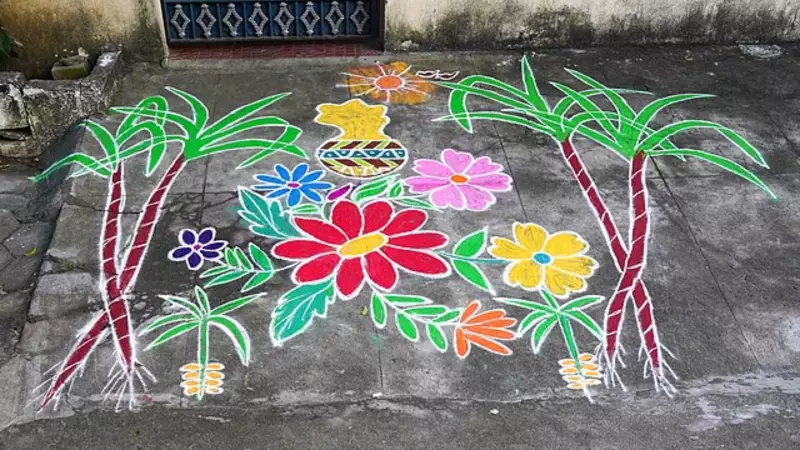
Pongal Delicacies: A Feast for the Harvest Festival
Pongal, the vibrant harvest festival celebrated in Tamil Nadu, brings families together with its rich traditions and delicious food. This festival marks the end of the winter solstice and the beginning of the sun's northward journey. People prepare special dishes to honor the occasion, each with deep cultural significance.
Sweet Pongal: The Festival's Namesake Dish
Sweet Pongal, also known as Sakkarai Pongal, stands as the centerpiece of the celebration. Cooks make this dish with freshly harvested rice, jaggery, and lentils. They often add ghee, cashews, and raisins for extra flavor. Families offer Sweet Pongal to the sun god as a gesture of gratitude for a bountiful harvest.
Ven Pongal: The Savory Counterpart
Ven Pongal provides a savory balance to the sweet offerings. This dish features rice and lentils cooked with black pepper, cumin, and ginger. People typically serve Ven Pongal with sambar or coconut chutney. It represents simplicity and nourishment, reflecting the agricultural roots of the festival.

Other Traditional Treats to Enjoy
Beyond the main Pongal dishes, several other delicacies grace the festival table. Here are some popular options:
- Medhu Vadai: These crispy lentil doughnuts make a perfect snack. Cooks fry them until golden brown and serve them hot.
- Avial: A mixed vegetable curry cooked in a coconut and yogurt base. It adds a healthy and flavorful element to the meal.
- Payasam: A sweet pudding made with milk, rice, or vermicelli. Families often prepare it with jaggery or sugar for a festive touch.
The Cultural Significance of Pongal Food
Each dish served during Pongal carries symbolic meaning. Sweet Pongal symbolizes prosperity and sweetness in life. Ven Pongal represents the earth's fertility and the hard work of farmers. Sharing these meals strengthens community bonds and honors agricultural traditions.
Preparing Pongal delicacies involves specific rituals. People cook the dishes in new clay pots, often outdoors. They let the milk boil over, which signifies abundance and good fortune. This practice, known as "Pongal," gives the festival its name.
Modern celebrations still uphold these culinary traditions. Many families pass down recipes through generations. Urban households adapt the dishes to contemporary kitchens while maintaining their essence. The festival remains a time for culinary exploration and cultural pride.
Pongal offers a wonderful opportunity to experience Tamil Nadu's rich food heritage. Whether you celebrate the festival or simply enjoy good food, these dishes provide a taste of tradition and joy.