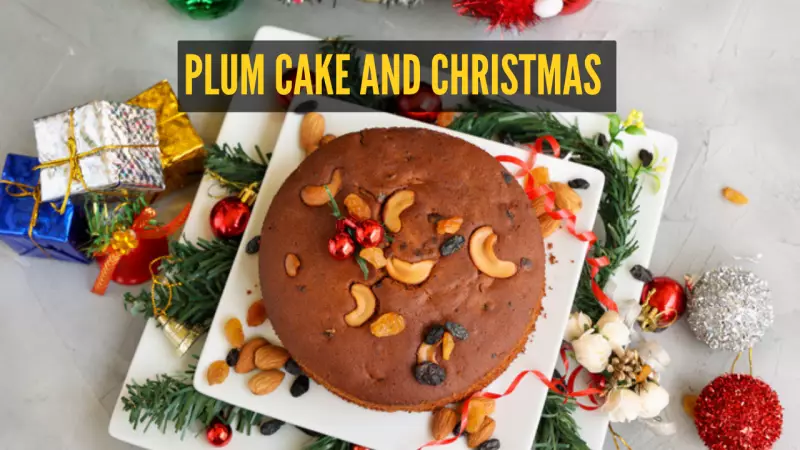
The festive air of Christmas brings with it the irresistible aroma of spices, dried fruits, and the rich, dark delight of the Plum Cake. No Christmas celebration across India, particularly in states like Kerala and Goa, feels complete without this iconic centrepiece on the dining table. Interestingly, despite its name, this beloved cake typically contains no fresh plums at all. Its story is a delicious tapestry woven with history, tradition, and colonial influence.
The Curious History of the Plum Cake
Food historians trace the deep connection between plum cake and Christmas back to medieval England. A tradition of fasting preceded the Christmas festivities to prepare for the indulgence on the big day. On Christmas Eve, a porridge-like dish was prepared, considered the direct precursor to the modern cake. This dish featured dried fruits, spices, and honey.
The evolution continued in the 16th century when the recipe transformed with the addition of eggs, butter, and flour. The batter was often tied in a muslin cloth and boiled for hours, resulting in a dense, fudge-like dessert. The name "Plum Cake" itself is a historical quirk: in old England, the term "plum" was commonly used to refer to raisins and currants.

From British Kitchens to Indian Celebrations
Over centuries, the plum cake cemented itself as a Christmas tradition in Britain. It journeyed to other parts of the world through colonial influence, finding a particularly cherished home in India. Regions with a strong historical European connection, like Kerala and Goa, embraced the cake wholeheartedly. Today, it is an integral symbol of festivity, warmth, and family togetherness during the Christmas season in these communities and beyond.
The cake's signature deep flavour, moist texture, and long shelf life come from a crucial process: soaking the dried fruits. A mix of raisins, currants, dates, prunes, cherries, and citrus peel is traditionally soaked in rum, brandy, or wine for days or even weeks before being folded into the batter along with nuts and warm spices like cinnamon, nutmeg, and cloves.
How to Make Your Own Plum Cake at Home
Creating this Christmas classic at home is a rewarding ritual. Here is a simple guide to bake your own batch of festive joy.
Ingredients Required:
- 1½ cups all-purpose flour
- 1 tsp baking powder
- ½ tsp baking soda
- 1 tsp cinnamon powder
- 1/2 tsp mixed spice or nutmeg
- A pinch of salt
- ½ cup butter
- ¾ cup brown sugar
- 2 eggs
- 1 tsp vanilla essence
- 1 cup mixed dried fruits (raisins, dates, cherries, tutti frutti)
- ¼ cup chopped nuts (cashew, walnut, almond)
- ½ cup orange juice or rum/brandy (for a non-alcoholic or alcoholic version)
Method:
Step 1: Slightly warm the juice or alcohol and soak the dried fruits in it for 15–20 minutes. Afterwards, dust them with 1 tablespoon of flour to prevent sinking in the batter.
Step 2: Preheat your oven to 170°C. Grease and line a cake tin with parchment paper.
Step 3: In a bowl, beat the butter and brown sugar together until the mixture is light and fluffy. Add the eggs one by one, beating well after each addition. Mix in the vanilla essence.
Step 4: In a separate deep mixing bowl, sift together the all-purpose flour, baking powder, baking soda, cinnamon powder, mixed spice (or nutmeg), and salt.
Step 5: Gently combine the wet and dry ingredients. Fold in the soaked dried fruits and chopped nuts until just incorporated.
Step 6: Pour the batter into the prepared cake tin. Bake for 40–45 minutes or until a skewer inserted into the centre comes out clean.
Step 7: Let the cake cool. Your homemade Plum Cake is ready to fill your home with Christmas spirit. Slice and enjoy it with a cup of coffee or a festive cocktail!
More than just a dessert, the plum cake is a slice of history, a testament to cultural exchange, and a beloved emblem of Christmas cheer in countless Indian households.