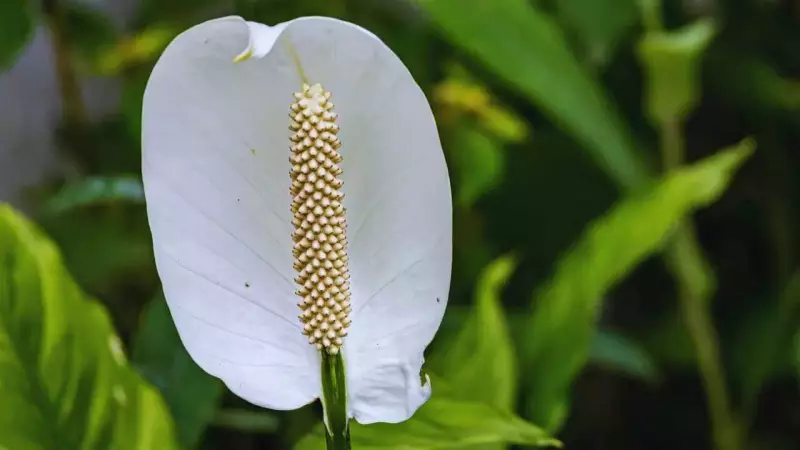
Peace Lily stands as one of the most exquisite and graceful flowers within the vast kingdom of flora. Renowned for its elegant appearance, low-maintenance nature, and remarkable air-purifying qualities, this plant has earned its place among the most popular indoor plants worldwide. Its glossy green leaves possess an almost unreal beauty, while the graceful white spathes not only add an instant sense of calm to any room but also actively purify the air. The wonderful news is that cultivating a peace lily in a pot at your home is entirely achievable with some straightforward steps.
Choosing the Right Pot for Your Peace Lily
The initial and crucial step in peace lily care is selecting an appropriate pot. Peace lilies prefer slightly snug spaces and generally dislike oversized containers. It is advisable to choose a pot that is just one to two inches wider than the plant's root ball to provide adequate space without being excessive. Since peace lilies are sensitive to overwatering, ensuring the pot has sufficient drainage holes is essential to prevent waterlogging. Terracotta pots are often considered perfect for peace lilies due to their porous nature, which helps regulate moisture. However, plastic or ceramic pots can also work well if proper drainage is maintained.
Creating the Ideal Soil Mix
Peace lilies require adequate light to survive and thrive, but the soil composition plays an equally vital role. The ideal soil should retain moisture without becoming soggy or waterlogged. A high-quality potting mix typically includes regular garden soil blended with compost or coco peat to enhance nutrient content and moisture retention. Adding a small amount of perlite or coarse sand can significantly improve aeration and drainage, creating a healthier environment for the roots. It is crucial to avoid clay soils or any soil types that trap water, as this can lead to root rot and ultimately kill the plant.

Step-by-Step Planting Process
Planting your peace lily correctly is fundamental to its long-term health. Begin by gently removing the plant from its nursery container, taking care to loosen the roots slightly without causing damage. Place a layer of your prepared soil mix at the bottom of the chosen pot, then position the plant in the centre. Fill the remaining space with more soil mix, pressing lightly to eliminate air pockets. Once planted, water the peace lily thoroughly to help settle the soil and establish the roots.
Optimal Light Conditions for Growth
Peace lilies thrive in bright, indirect light, making them ideal for indoor environments. Direct sunlight can scorch and burn the delicate leaves, while insufficient light may reduce flowering and overall vitality. An east- or north-facing window typically provides the perfect balance of light for peace lilies. If natural light is limited in your home, you can supplement with LED grow lights to ensure adequate illumination. Remember to rotate the pot occasionally to promote even growth and prevent the plant from leaning toward the light source.
Watering Techniques and Tips
Proper watering is key to maintaining a healthy peace lily, as these plants are particularly susceptible to overwatering. A simple method is to water only when the top inch of soil feels dry to the touch. Peace lilies are expressive plants that provide clear visual cues when thirsty—you'll notice the leaves beginning to droop slightly, which serves as your signal to water. Always use room-temperature water to avoid shocking the plant's roots. During winter or cooler months, reduce watering frequency as the plant's growth slows and evaporation decreases.
Feeding and Ongoing Maintenance
As tropical plants, peace lilies appreciate higher humidity levels. You can increase humidity by occasionally misting the leaves or placing the pot on a tray filled with pebbles and water, especially in dry indoor environments. For nutrition, feed your peace lily once every four to six weeks with a liquid fertiliser diluted to half strength to prevent over-fertilisation. Peace lilies typically require repotting every one to two years when the roots begin to crowd the pot, which helps maintain healthy growth and prevents root-bound conditions.

Planting and nurturing a peace lily in a pot is not just a gardening activity but a beautiful experience that brings tranquility, natural beauty, and cleaner air into your home. With proper care and attention, this elegant plant can become a long-lasting companion in your indoor space.