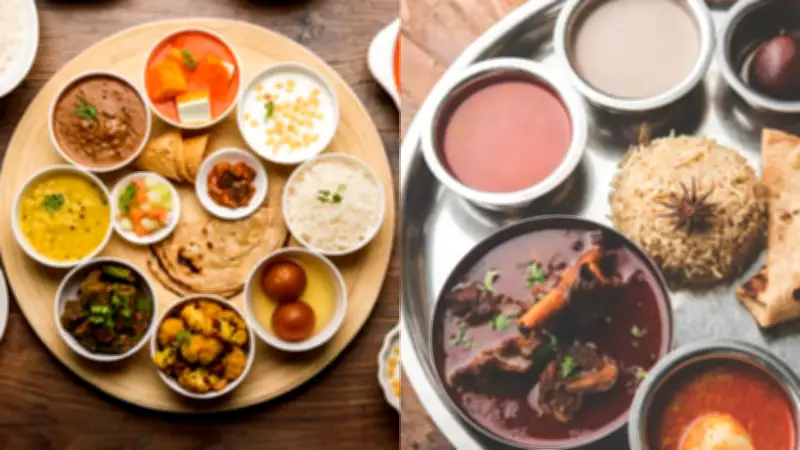
Non-Vegetarian Thali Becomes More Affordable Than Vegetarian Counterpart in India
In a surprising shift that challenges long-held assumptions about Indian meal costs, a recent economic analysis indicates that preparing a non-vegetarian thali at home has become cheaper than its vegetarian equivalent. This reversal in pricing dynamics is detailed in the latest CRISIL Intelligence Report, which tracks food expenditure trends across the country.
CRISIL Report Reveals Unprecedented Price Shift
According to the comprehensive Roti Rice Report from CRISIL Intelligence, the average cost of a home-cooked non-vegetarian thali decreased by 1% year-on-year in March 2026. Meanwhile, the price of a vegetarian thali remained stagnant during the same period. The report's findings are based on meticulous calculations using input prices gathered from all four geographical regions of India: North, South, East, and West.
Why Vegetarian Thali Prices Are Stagnant
The vegetarian thali's unchanged pricing results from a complex interplay of agricultural factors. While prices for some key ingredients have fallen, sharp increases in other components have balanced the overall cost.

Tomato prices experienced a dramatic 33% year-on-year increase, rising from Rs 21 per kilogram in March 2025 to Rs 28 per kilogram in March 2026. This substantial hike is attributed to delayed transplantation in major producing states like Karnataka and Andhra Pradesh, which disrupted crop growth cycles, reduced yields, and affected market arrival timing.
Offsetting Price Declines in Other VegetablesSeveral other vegetable categories saw significant price reductions that helped counterbalance the tomato increase:
- Onion prices fell 25% year-on-year due to excess supply from overlapping late kharif arrivals and rabi harvests, combined with weak export demand
- Potato prices dropped 13% year-on-year
- Pulse prices declined 6% year-on-year, driven by higher opening stocks in the current fiscal year
Specifically, tur inventories for the July-June marketing year are estimated to be 20% higher, while Bengal gram stocks for the January-December marketing year are approximately 10% higher this season, creating downward pressure on pulse prices.
Factors Driving Non-Vegetarian Thali Affordability
The decreased cost of non-vegetarian thalis primarily stems from a 2% year-on-year decline in broiler prices. This reduction in poultry costs has made meat-based meals more economical for home cooks across India.
Monthly Price Fluctuations and Seasonal Impacts
The report also highlights notable month-on-month changes in key ingredient prices:
- Tomato and potato prices slipped 6% month-on-month
- Onion prices fell by 14% month-on-month
- Pulse prices eased by 6% month-on-month due to higher opening stock levels
For non-vegetarian thalis, the cost reduction was further amplified by an estimated 2% month-on-month decline in broiler prices. This additional decrease was influenced by lower demand during the Navratri festival period, when many Indians traditionally refrain from consuming non-vegetarian food.
Broader Implications for Household Food Budgets
This pricing reversal represents a significant departure from conventional wisdom about Indian meal economics. For years, vegetarian thalis were consistently more affordable due to the relatively lower cost of plant-based ingredients compared to animal proteins. The current trend highlights how agricultural production cycles, export dynamics, and seasonal consumption patterns can dramatically alter food affordability landscapes.
The CRISIL report provides valuable insights for policymakers, agricultural planners, and households seeking to optimize their food budgets. As vegetable prices continue to fluctuate based on planting schedules, weather conditions, and market forces, while poultry prices respond to demand cycles, Indian consumers may need to reconsider their assumptions about which type of thali offers better value for money.