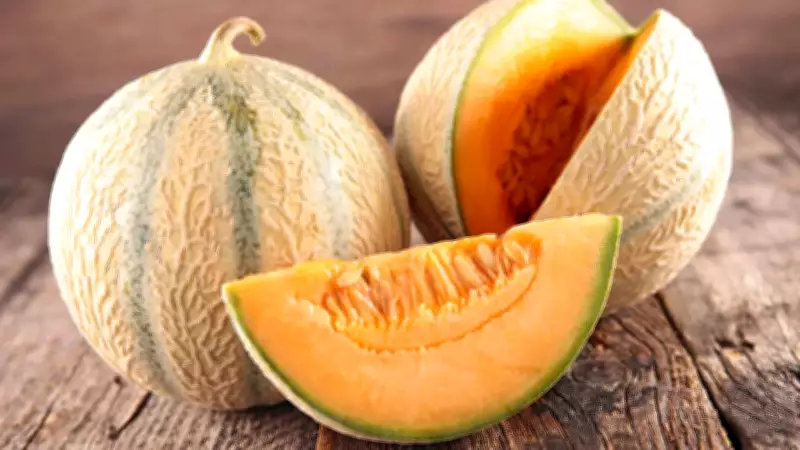
Mastering the Art of Selecting the Perfect Muskmelon
When summer heat intensifies, muskmelon emerges as a quintessential seasonal delight, celebrated for its juicy texture and naturally sweet flavor. Known scientifically as cantaloupe, this fruit boasts exceptional hydrating properties with high water content that helps combat dehydration during scorching weather. Beyond refreshment, muskmelon offers substantial nutritional benefits, being rich in vitamins A and C that support immune function, promote healthy vision, and maintain radiant skin. Low in calories and packed with dietary fiber, it represents an ideal choice for health-conscious individuals seeking delicious summer nourishment.
Five Essential Guidelines for Choosing Ripe Muskmelon
Selecting the perfect muskmelon requires more than superficial inspection. Many consumers mistakenly choose visually appealing fruits that lack sweetness. These five expert-approved methods will transform your selection process.
1. Analyze Color and Surface Texture
The most fundamental indicator of ripeness lies in the fruit's coloration. A fully mature muskmelon typically displays a creamy yellowish or beige hue with minimal to no green patches. Additionally, examine the skin's texture closely. Pronounced webbing patterns across the surface serve as reliable markers of optimal ripeness, signaling that the fruit has developed its full sweetness.

2. Examine the Stem Area
Careful observation of the stem provides crucial insights into harvesting timing. Naturally ripened melons detach cleanly from their stems, whereas prematurely harvested specimens often retain stem fragments. The stem end should appear round and smooth, characteristics associated with complete maturation. Some experts note that slight oozing from the stem area can further confirm ripeness.
3. Assess the Aroma
Your sense of smell offers valuable guidance when selecting muskmelon. Bring the blossom end (opposite the stem) close to your nose. A ripe fruit emits a distinctly sweet, slightly musky fragrance. Exercise caution with excessively sweet aromas, as these may indicate overripeness that compromises texture and flavor.
4. Apply Gentle Pressure
Experts recommend testing firmness by gently pressing the blossom end. Resistance suggests underripeness, while easy indentation without pressure signals readiness for consumption. Additionally, any greenish tint at the bottom suggests the fruit requires more time to mature fully.
5. Evaluate Weight and Density
Finally, compare similar-sized melons by lifting them. Ripe fruits feel substantially heavier due to higher juice content and developed pulp. Lighter specimens typically indicate insufficient sweetness and should be avoided for optimal culinary results.
Three Refreshing Ways to Savor Muskmelon This Summer
Once you've selected premium muskmelon, explore these delightful preparation methods that maximize flavor and nutritional benefits.
Classic Chilled Muskmelon Bowl
This timeless preparation highlights the fruit's natural sweetness. Simply peel and cube fresh muskmelon, refrigerate for approximately one hour, and serve chilled. For an intriguing flavor twist, sprinkle with black salt or chaat masala to create a delightful sweet-savory combination.
Nutrient-Packed Muskmelon Smoothie
Blend muskmelon cubes with chilled milk or coconut milk, soaked almonds or walnuts, and a drizzle of honey for natural sweetness. Add ice as desired for extra refreshment. This creamy beverage provides sustained energy while delivering essential vitamins and minerals.
Muskmelon Mint Salad
Combine muskmelon cubes with fresh mint leaves, a squeeze of lemon juice, and a pinch of salt for a vibrant summer salad. Optional additions like cucumber enhance texture and hydration. Serve chilled for a light, nutritious dish perfect for warm weather.
By mastering these selection techniques and preparation methods, you can fully appreciate muskmelon's seasonal splendor while reaping its substantial health benefits throughout summer months.