Mumbai's Valentine's Day Rose Prices Skyrocket Due to Weather and Demand
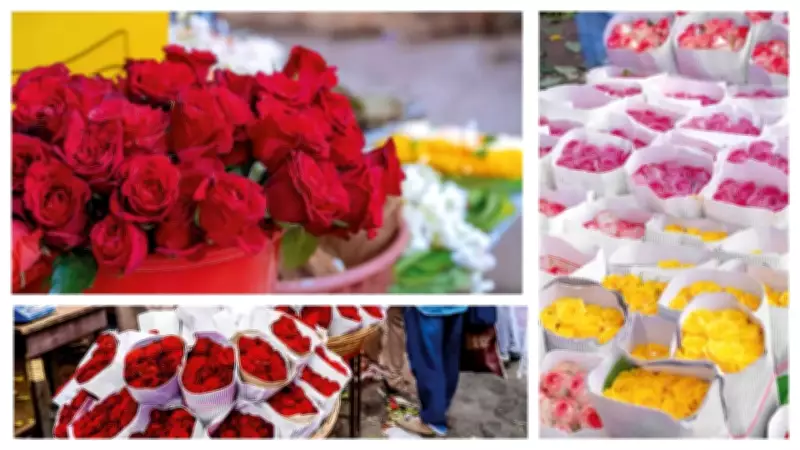
The beloved red rose, Mumbai's timeless symbol of love and affection, is commanding significantly higher prices this Valentine's Day season. Across the city's vibrant flower markets, from the bustling wholesale lanes of Dadar to upscale boutique floral studios, prices have experienced a dramatic surge in the crucial weeks leading up to February 14. Florists and retailers unanimously point to a combination of adverse weather conditions disrupting production and an overlap with peak wedding season demand as the primary drivers behind this substantial price inflation.
Price Escalation and Market Dynamics
Despite the sharp increase in costs, the red rose continues to hold its position as the emotional cornerstone of Valentine's gifting in Mumbai, transcending age groups and varying budget constraints. Whether expressed through a single elegant long-stemmed bloom, a carefully arranged bouquet, or an elaborate floral presentation box, the red rose maintains its dominance in the language of love.
"The period immediately preceding Valentine's Day, particularly the eve and the day itself, typically witnesses the most extreme price spikes as last-minute purchasers flood the marketplace," explains Santosh Sahu, proprietor of a luxury wholesale flower establishment near Parel. "During this peak period, prices for individual stems as well as artistically designed bouquets can escalate to approximately ten times their regular rates."

Supply Chain Challenges from Nashik to Dadar
The majority of Mumbai's Valentine's Day flower commerce flows through the iconic wholesale market in Dadar, which serves as the city's primary distribution hub. "Our floral supplies arrive from Nashik in the early morning hours," states Devata Vishwanath Choudhary, a seasoned flower retailer with four decades of experience. Providing current market insights, he reveals, "This month, retail prices in Mumbai are reaching approximately ₹450–500 per bundle containing 20 roses, with retailers like myself selling individual stems for around ₹30 each."
A vendor at the Prakash Bhoite flower shop within Dadar's wholesale market confirms this trend, noting, "I typically sell bunches of 20 roses for Rs 80-100, but during Valentine's week, these prices increase substantially."
Consumer Behavior and Evolving Preferences
Despite the significant price increases, florists anticipate robust sales throughout the Valentine's period. "For numerous Mumbaikars, the sentimental gesture carries greater importance than the price tag," shares Rohit Singh from a prominent floral studio. "The red rose—timeless and profoundly symbolic—continues to communicate emotions that words frequently cannot adequately express."
Sanju, a vendor operating in Dadar, echoes this sentiment, stating, "Regardless of the price... red roses will definitely sell on Valentine's Day."
Regarding shifting consumer patterns, Avi Kumar, Chief Marketing Officer at FNP, observes, "While consumer preferences have certainly evolved, roses remain the emotional anchor of Valentine's gifting. The transformation has occurred primarily in presentation styles. Contemporary customers are increasingly selecting curated floral arrangements complemented by cakes, chocolates, or greeting cards. Generation Z consumers tend to spend less but experiment more extensively, opting for playful formats and a broader color palette. Older buyers generally spend more overall and demonstrate a preference for classic red roses and traditional bouquet styles."
Price Comparison Across Market Segments
- Dadar Wholesale Market: 100 red roses begin at ₹450-500
- Local Suburban Florists: 100 red roses begin at ₹3000
- Flower Studios / Luxury Boutiques: 100 red roses begin at ₹7000
Ketan Amle, a florist based in Matunga, provides additional context: "Rose prices have risen sharply across both wholesale and retail markets ahead of Valentine's Day. This is due to delayed production caused by colder weather conditions in December 2025, combined with strong seasonal demand resulting from the concurrent wedding season and Valentine's Day gifting."

Avi Kumar further highlights market activity, noting, "This Rose Day, we sold 10 lakh roses, with demand particularly skewed toward premium single-stem roses and compact bouquet arrangements."