Mumbai Bar's Controversial Cocktail with Live Fish Ignites Public Fury
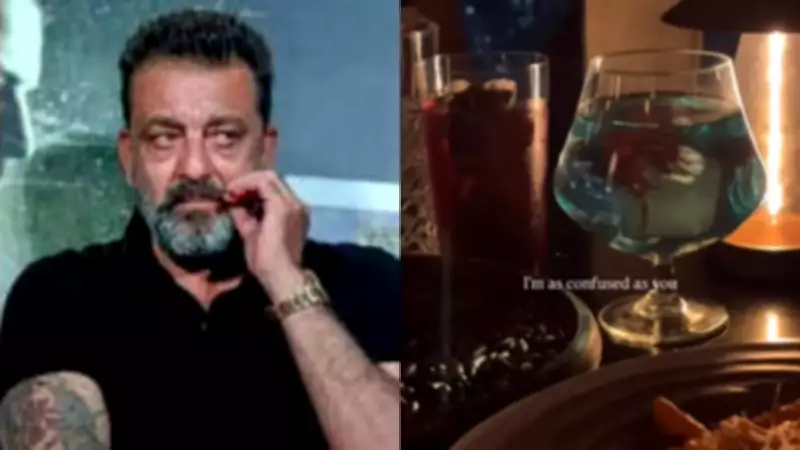
Social media often serves as a powerful platform for viral moments, but it can also amplify negative backlash when narratives are not carefully managed. In a recent incident that captured widespread attention, a Mumbai-based restro bar named Alta Stella, co-owned by Bollywood actor Sanjay Dutt and entrepreneur Abhimanyu Jakhar, found itself at the center of a storm for introducing a cocktail containing a live fish.
Viral Video Sparks Outrage Over Animal Cruelty
A video posted on Instagram quickly went viral, showing a blue Betta fighter fish submerged in a cocktail glass. This visual prompted immediate concern and anger among users, including seafood enthusiasts, who condemned the practice as inhumane. The post was shared by the handle @angelic_ngo, which strongly criticized the bar's actions.
The post stated: "This is not a theme. This is cruelty. This is not creativity. This is cruelty made Instagrammable. A Mumbai bar, @altastellamumbai has started placing live fish in glasses on dining tables as part of a zodiac concept. When fish are taken out of water, they don’t just 'die quickly.' They can suffer for up to 24 minutes, slowly suffocating. Where are we headed? Why are we letting people normalise this? Normalising their exploitation as entertainment is a dangerous step backward. Compassion should not be selective. Speak up, NOW."

Following the backlash, a case was reportedly filed, and the restaurant responded by discontinuing the controversial cocktail from its menu. In an Instagram post on Wednesday evening, Alta Stella explained that the drink, named the Ebisu cocktail, was inspired by the Pisces zodiac sign and included the Betta fish due to its solitary nature and ability to breathe air from the surface.
The bar's statement read: "But intent does not outweigh perception. We recognise that the presence of a live animal in a cocktail raises valid concern. After careful consideration, we have decided to discontinue the drink."
Cultural Contrast: Japan's Traditional Practice of Eating Live Fish
While this incident was deemed cruel in India, it contrasts sharply with a long-standing tradition in Japan known as Shirouo no Odorigui. This practice involves serving tiny, translucent shirouo fish alive in a bowl or shot glass, often with vinegar, and has been part of Japanese cuisine for centuries.
Key aspects of Shirouo no Odorigui include:
- It is considered an art form and seasonal delicacy in Japan.
- The fish are served in vinegar, which reduces acidity and minimizes bacterial contamination.
- Vinegar also aids digestion by stimulating enzymes and breaking down proteins.
Nutritional Benefits and Safety Concerns
From a nutritional perspective, shirouo fish are rich in protein, low in fat and calories, and contain essential vitamins, minerals, and omega-3 fatty acids that support heart health and cognitive function. However, eating live fish carries inherent risks, such as exposure to pathogens and parasites.
Safety measures in Japan include:
- Strict food safety regulations ensuring sanitary harvesting and preparation.
- Preparation methods designed to minimize health risks, though consumers should remain aware of potential dangers.
This incident underscores the ethical dilemmas surrounding the use of live animals in culinary practices and highlights the cultural differences in perceptions of animal welfare. It serves as a reminder of the power of social media in shaping public opinion and driving change in business practices.