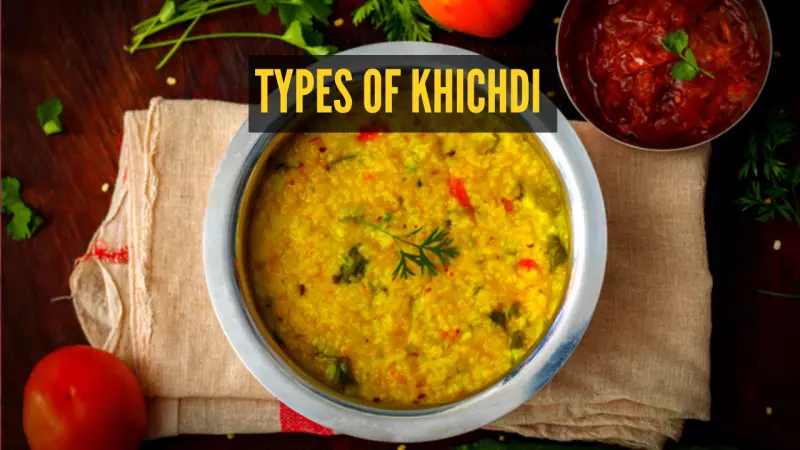
As the sun begins its northward journey, India prepares to celebrate Makar Sankranti on January 12, 2026. This harvest festival, marking the transition of the sun into the zodiac sign of Capricorn, is deeply woven into the country's culinary fabric. In the eastern parts of Uttar Pradesh and the Purvanchal region, the day is famously known as Khichdi Parv, where a simple, wholesome dish of rice and lentils takes center stage in the celebrations.
The traditional observance involves a holy dip in rivers, followed by the charitable act of 'daan,' offering items like til (sesame), clothes, and ghee. The festive meal begins with dahi chura (flattened rice with yogurt), culminating in the main feast where khichdi is served with accompaniments like papad, pakoda, achar (pickle), and dahi (yogurt). This one-pot comfort food, typically made with rice, lentils, turmeric, and seasonal vegetables, is elevated with a fragrant tempering of ghee, cumin, asafoetida, and dried red chillies.
Regional Khichdi Delicacies Across India
While khichdi is a unifying dish, its preparation varies dramatically across India's diverse states, each adding a local twist. Here is a curated list of eight popular regional khichdi dishes you can try this Makar Sankranti.

North and Central Indian Specialties
In Bihar, Jharkhand, and Uttar Pradesh, the festival is incomplete without Urad Dal Khichdi. This hearty version uses kali urad dal (black gram), rice, spices, ghee, and vegetables. It is a fulfilling one-pot meal best enjoyed with a side of curd, pickle, and papad.
Bihar's Moong Dal Khichdi is arguably the most widespread version. Made with rice, split green gram (moong dal), and sometimes urad dal, it is flavoured with ginger, green chillies, and hing. It is traditionally served with aloo chokha (mashed potatoes), mixed pakodas, achar, and papad.
From the arid landscapes of Rajasthan comes the nutritious Bajra Khichdi. This dish substitutes rice with bajra (pearl millet), which is cooked with lentils in a ghee and hing tadka. It is served with a generous dollop of ghee, spicy garlic chutney, and crisp papad.
Southern and Western Variations
Tamil Nadu's Pongal, sharing its name with the festival, is a quintessential dish. Available in both sweet (Chakkara Pongal) and savoury (Melangu Pongal) forms, it is made with lentils, rice, and copious amounts of ghee. The sweet version is laden with roasted dry fruits, while the savoury one is spiced with black pepper.
Karnataka's Bisi Bele Bhath translates to 'hot lentil rice dish' and is a rich, complex variety of khichdi. It uses toor dal (pigeon pea) and a special blend of up to 30 spices, loaded with vegetables, and slow-cooked to perfection.
For non-vegetarian enthusiasts, Andhra Pradesh offers Keema Khichdi. This unique preparation incorporates minced meat (keema) along with rice and lentils, creating a flavourful dish that is typically served with 'khatta,' a tangy side dish.
Iconic Preparations from the West and East
Gujarati Khichdi holds a special place in history, believed to be a favourite of Sultan Ahmed Shah, the founder of Ahmedabad. It comes in multiple varieties—savoury, sweet, with or without vegetables—and is characteristically mild. It is best served with kadhi, a spiced yogurt-based curry.
In West Bengal, the festival features Khichuri. This version uses rice and moong dal, tempered with desi ghee, green chilli, and ginger. Notably, traditional Bengali khichuri for the festival omits garlic and onions. It is deliciously paired with begun bhaja (fried eggplant) and fish fry.
These eight dishes showcase how a humble dish like khichdi becomes a canvas for India's incredible regional diversity, especially during the festive occasion of Makar Sankranti. Each recipe is not just food but a celebration of local harvests, traditions, and family gatherings.