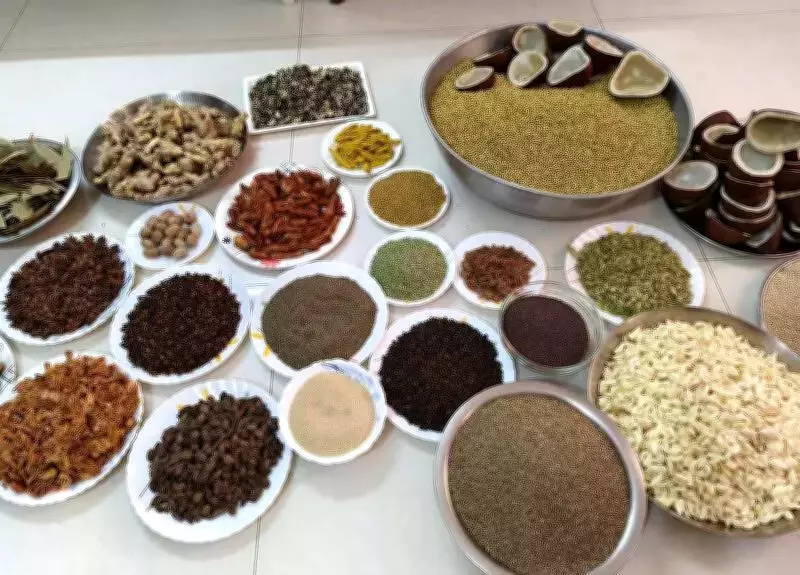
Kolhapur's Culinary Icon Faces Price Surge Amid Supply Chain Disruptions
The beloved kanda lasoon masala of Kolhapur, a staple in Maharashtrian kitchens, is experiencing a significant price escalation. Retail prices have already surged by 20-25% compared to last year, creating concern among consumers and traders alike.
Dual Factors Driving the Price Hike
Two primary factors are converging to create this inflationary pressure. First, a shortage of commercial LPG cylinders has disrupted the roasting process essential for masala production. Second, a sharp decline in the supply of key spices has created a perfect storm for price increases.
The spice market is particularly volatile, with prices for essential ingredients seeing dramatic rises:

- Red chilli (Byadgi variety) has jumped from Rs 300-400/kg to Rs 500/kg
- Dry coconut prices have more than doubled from Rs 200/kg to Rs 460/kg
- Caraway seeds have increased from Rs 1,100/kg to Rs 1,300/kg
- Other affected spices include cumin, cloves, coriander, pepper, and nutmeg
Traders Warn of Further Increases
Mahesh Nashte, a trader from Laxmipuri market, expressed concern about the timing. "The next two months represent the peak season for kanda lasoon masala production. Demand for all these spices will only increase during this period," he explained. "If geopolitical tensions persist, we could see prices increase again."
Traders have warned that if current conditions continue, spice prices might rise by up to 30%, which would directly impact the cost of kanda lasoon masala chutney and other traditional spice blends.
Manufacturer's Perspective on Production Challenges
Sneha Jadhav, a masala manufacturer from Kolhapur, detailed the production challenges. "Spices are the soul of our kitchen traditions," she said. "The price increases stem from multiple factors including pest infestations affecting crops and unseasonal rain damaging harvests."
She further explained the compounding effect of energy costs: "The masala chutney requires substantial gas supply for proper roasting. With both raw material costs rising and LPG cylinder supply becoming unreliable, we had no choice but to increase our masala prices by 25%."
This inflationary trend extends beyond kanda lasoon masala to other popular blends including sambar masala, garam masala, biryani masala, and pav-bhaji masala.
Consumer Impact and Budget Concerns
The price increases are creating tangible financial pressure on households. Manisha Patil, a banker from Rajarampuri, shared her dilemma: "While homemade spices provide authentic taste, as a working professional I lack the time to prepare chutney from scratch. The 30% increase in ready-to-use spices is significantly disturbing our monthly budget."
The situation highlights how global supply chain disruptions, local agricultural challenges, and energy shortages can converge to impact regional culinary traditions and household economics simultaneously.