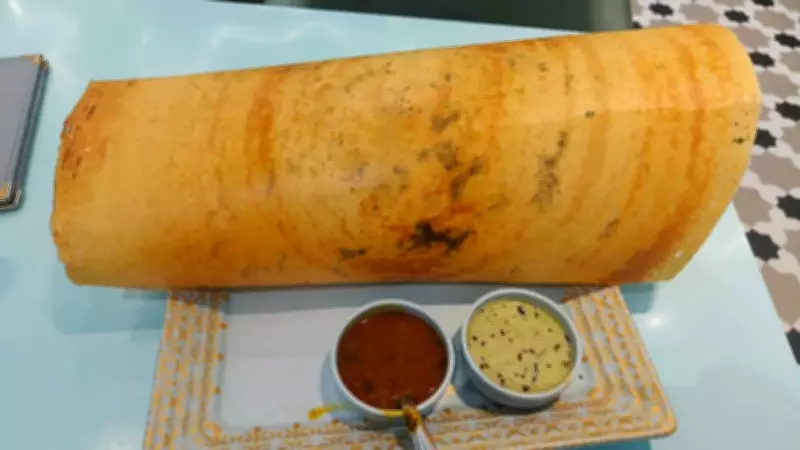
Understanding Khiru: The Hidden Danger in Dosa Batter
Fermented foods like dosa batter are staples in many Indian kitchens, celebrated for their ease of preparation through soaking, grinding, and fermenting rice and lentils. However, this process heavily relies on factors such as duration, temperature, and storage conditions. Proper fermentation enhances flavor, texture, and digestibility, but mismanagement can lead to spoilage, often referred to as "khiru" in some regions. This term describes batter that has deteriorated due to unwanted changes during fermentation, posing risks if consumed. Initially, khiru may not be visible, but over time, it can develop foul odors, unusual textures, or harmful microbes. Recognizing early signs is crucial to avoid foodborne illnesses and financial waste. This guide provides clear insights into identifying and preventing khiru before it becomes hazardous.
What Is Khiru in Dosa Batter?
In certain areas, "khiru" commonly denotes dosa batter that has spoiled or over-fermented. It signifies a breakdown in the batter's structure caused by the growth of undesirable bacteria or fungi. During normal fermentation, lactic acid bacteria and other beneficial microbes help the batter rise and impart a mild sour taste. However, prolonged fermentation, especially in warm and humid environments, can foster harmful microorganisms, leading to the khiru stage. At this point, the batter becomes unsafe for cooking, characterized by off-putting smells and tastes that render it inedible.
Why Dosa Batter Turns Into Khiru
Several factors contribute to the development of khiru in dosa batter:

- Over-fermentation due to time: Leaving batter at room temperature for extended periods accelerates fermentation, resulting in excessive sourness and structural collapse.
- High temperature and humidity: Warm weather speeds up fermentation; failing to refrigerate batter promptly can hasten spoilage in hot conditions.
- Poor storage conditions: Using unclean containers or exposing batter to open air invites unwanted microbes that promote deterioration.
- Cross-contamination: Employing wet utensils or mixing old batter with fresh batches can introduce contaminants, accelerating the spoilage process.
How to Identify Khiru in Dosa Batter
Early detection of khiru involves observing key indicators:
- A strong and bad smell: Freshly fermented batter has a slight sour aroma; if it becomes overpoweringly pungent or sharp, it likely indicates spoilage.
- Change in texture of the batter: Good batter is smooth and slightly fluffy, whereas spoiled batter may turn overly runny, thick, or develop lumps.
- Changes in colour that aren't normal: The presence of black, green, or grey spots suggests mould growth, signaling that the batter should be discarded.
- Too much sour flavour: While a mild sour taste is expected, excessive sourness or bitterness points to potential spoilage.
- Gas bubbles and separation: Some bubbling is normal, but an abundance of bubbles or clear liquid separation on top may indicate over-fermentation.
Health Risks of Using Spoiled Dosa Batter
Consuming batter that has turned into khiru poses significant health hazards. Harmful bacteria and fungi can produce toxins leading to food poisoning, symptoms of which include nausea, vomiting, diarrhoea, and stomach pain. Organizations like the Food Safety and Standards Authority of India (FSSAI) and the World Health Organization (WHO) emphasize the importance of proper storage and avoidance of spoiled fermented foods to mitigate these risks.
How to Prevent Dosa Batter from Turning Into Khiru
Implementing preventive measures can safeguard your dosa batter:

- Put it in the fridge on time: Refrigerate batter after fermentation to slow down microbial activity and extend shelf life.
- Use utensils that are clean and dry: Always employ sanitized spoons and containers to maintain hygiene and prevent contamination.
- Cover the container: Sealing the batter tightly protects it from air exposure and external germs.
- Don't mix old and new batter: Combining batches can accelerate spoilage and compromise the quality of fresh batter.
- Check the time it takes to ferment: In warm climates, fermentation may complete in 6 to 8 hours; monitoring this timeframe helps prevent over-fermentation.
When Should You Discard Dosa Batter?
It is advisable to dispose of dosa batter if it exhibits bad odors, visible mould, or abnormal coloration. Even if spoilage appears localized, contamination may have spread throughout the batter. Conducting a pre-cooking inspection can significantly reduce health risks by ensuring only safe batter is used.
Understanding Safe Fermentation at Home
Fermentation is a natural culinary technique with centuries of history in Indian cooking, enhancing both taste and nutritional value when executed correctly. Like any food process, it requires careful attention. By comprehending what khiru entails and vigilantly spotting early warning signs, you can consistently produce safe and effective dosa batter, preserving the tradition of homemade fermented foods.