Rediscovering Kerala's Ancient Cooling Wisdom: The Kaavi Flooring Technique
In today's modern era, where air conditioning systems dominate household climate control, we often overlook the ingenious natural cooling methods embedded in traditional Indian architecture. For centuries, before electricity-powered cooling became widespread, communities across India developed sophisticated techniques to maintain comfortable indoor temperatures using entirely natural materials and principles.
The Three-Century-Old Kaavi Flooring Tradition
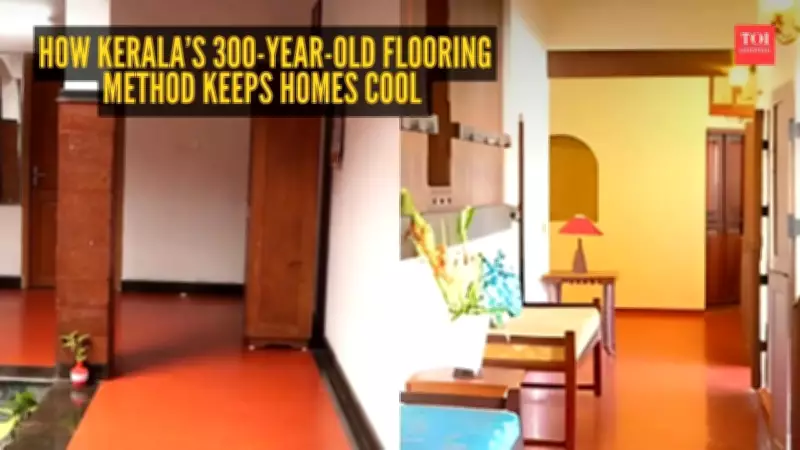
One remarkable example has been practiced in Kerala for approximately three hundred years. This traditional flooring method, known as Kaavi flooring, utilizes a simple yet effective combination of locally sourced materials: lime, iron oxide, and water. Unlike contemporary flooring processes that rely heavily on cement and synthetic chemicals, the Kaavi technique represents a completely sustainable approach to construction.
The application process involves skilled artisans manually spreading the mixture across floors. Once the material sets, they engage in a meticulous polishing ritual using coconut oil, working for hours to achieve a smooth, glossy finish. This coconut oil application serves dual purposes: it enhances the floor's visual appeal with a radiant glow while simultaneously contributing to its natural cooling properties.

The Science Behind Natural Thermal Regulation
The effectiveness of Kaavi flooring as a cooling solution lies in its intelligent material composition and thermal properties. The combination of lime and earthen compounds creates an exceptional thermal insulation barrier. Rather than allowing external heat to penetrate indoor spaces, these materials absorb heat during daylight hours and gradually release it as temperatures cool, maintaining consistently lower indoor temperatures without any artificial assistance.
This principle extends beyond flooring to other traditional building elements. Organic compounds like clay and cow dung (particularly common in rural construction) have been integral to Indian architecture for similar thermal regulation purposes. These materials not only provide excellent insulation but also possess breathable qualities, allowing excess moisture to evaporate naturally and contributing to healthier indoor environments.
Environmental Advantages Over Modern Alternatives
The ecological benefits of traditional techniques like Kaavi flooring become particularly significant when compared to contemporary building materials. Modern construction materials such as cement and manufactured tiles typically involve energy-intensive production processes that generate substantial carbon emissions. In contrast, traditional flooring utilizes biodegradable, locally available materials with minimal environmental impact throughout their lifecycle.
Historically, these flooring methods were integrated into comprehensive architectural designs featuring complementary elements like thick walls, spacious courtyards, and porous surfaces. Together, these components facilitated optimal ventilation and prevented excessive heat accumulation, creating naturally cooled living spaces that operated independently of electricity and mechanical appliances.
Relevance in Today's Climate Challenges
Despite their proven effectiveness, traditional cooling methods face gradual obsolescence due to rapid urbanization and shifting architectural preferences. Modern construction increasingly prioritizes convenience and aesthetic appeal, often at the expense of sustainability considerations. However, with global temperatures rising consistently and energy costs escalating, the value of these time-tested sustainable solutions has never been more apparent.
Kerala's centuries-old flooring system represents more than mere cultural heritage; it offers practical solutions to contemporary environmental challenges. This approach demonstrates how ancestral wisdom can address modern issues like global warming and excessive energy consumption. By reviving and adapting such techniques, we can develop residential spaces that are simultaneously healthier, more comfortable, and environmentally responsible.

The Kaavi flooring tradition exemplifies how integrating historical building knowledge with modern living requirements can create sustainable habitats that reduce dependence on artificial cooling systems while minimizing ecological footprints. As climate concerns intensify, such traditional practices provide valuable blueprints for developing energy-efficient, naturally comfortable living environments for future generations.