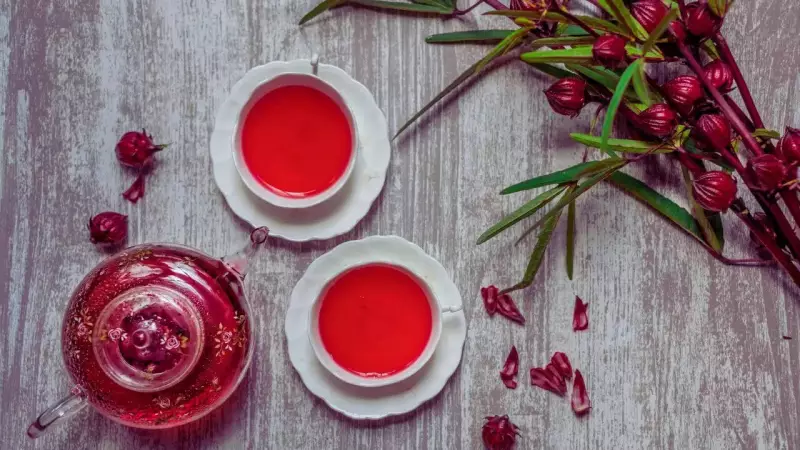
It was a simple cup of tea that sparked a wave of recognition. Last year, at Delhi's Roseate House, Chef Nishant Chaubey ordered a roselle tea during a pop-up of Jharkhand's tribal cuisine by Dr. Manisha Oraon from Ranchi. The drink's stunning red hue and unique taste—a subtle sourness like sweet tamarind with a hint of floral aroma—was immediately captivating.
Curious, the author asked to see the flowers. To her surprise, they were the familiar kudrum flowers, a staple from her childhood in Bihar and Jharkhand, often ground into a tangy chutney. Despite being a common part of daily meals back home, considered nourishing, these flowers had remained elusive in Delhi's farmer markets. This moment was a revelation: foods once eaten purely for taste were now being celebrated on gourmet menus.
Nostalgia on a Plate: Taste Before Trends
This story isn't unique to roselle. It reflects a broader rediscovery of India's rustic, regional ingredients. In simpler times, food was savoured for its flavour, not dissected for its health benefits—which were a natural byproduct of homecooked meals using seasonal, local produce.

Flaxseeds (tisi) tell a similar tale. Many recall them arriving from village farms in steel jars, their nutty aroma filling the kitchen. They were mixed into rice and dal, eaten plain, or made into chutney with raw mango, traditionally believed to cool the body and prevent sunstroke. Years later, when flaxseeds exploded as a global "superfood," the connection wasn't immediate until the familiar scent of a roasted batch revealed the truth: this trendy seed was our humble tisi all along.
Forgotten Gems Reclaim the Spotlight
Several other local staples have followed this path from obscurity to acclaim:
Amaranth (Ramdana): Known in Bihar for its super-light, fluffy laddoos or discs, ramdana was often consumed with milk during fasting periods. The discovery that this local favourite was the globally hyped, protein-packed amaranth came as a surprise. The town of Mokama is particularly famous for its ramdana laddoos made with khoya, offering a light sweetness and unmatched earthy flavour.
Fox Nuts (Makhana): Once a simple, puffed snack harvested from Bihar's ponds, makhana is now a superstar in health stores worldwide. Its transformation from a local evening treat to a premium-priced superfood is remarkable.
Jujube (Ber): The local small-sized ber would appear in markets around Saraswati Puja. Often restricted by parents who smartly blended traditional wisdom (calling them 'cold' and 'cough-forming') with religious belief, these fruits were an essential part of prasad. Now, they are touted as a superfood, packed with vitamin C, iron, potassium, and calcium.
The Nutritional Power Hidden in Plain Sight
The health credentials of these foods, now quantified, explain their superfood status:
Fox Nuts (Makhana): Per 100 grams, makhana offers 9.5 grams of protein and 14 grams of fibre. It is a good source of calcium, magnesium, potassium, phosphorus, and iron, benefiting weight loss, bone health, gut health, heart health, and blood sugar control.
Amaranth (Ramdana): This gluten-free pseudocereal is nutrient-dense, packed with protein, fibre, vitamins (A, C, K), and minerals like iron and calcium. It aids digestion, strengthens bones, improves heart health, boosts immunity, and provides antioxidant protection. It is a complete protein source containing all essential amino acids, including lysine.
Roselle (Kudrum): Belonging to the hibiscus family, roselle is rich in vitamin C, fibre, calcium, iron, and magnesium. Its antioxidants support heart and liver health, and it has anti-inflammatory, gut-friendly properties.
Flaxseed (Tisi): An excellent source of omega-3 fatty acids and lignans (powerful antioxidants), flaxseeds are known to support heart health, aid in cancer prevention, control blood sugar, assist weight management, improve gut health, and help maintain hormonal balance.

This journey of rediscovery is more than a food trend; it's a reconnection with cultural heritage. It reminds us that the rustic, regional foods eaten for joy in our childhood were often ahead of their time, inherently bursting with nutrition we never quantified. Finding them again on modern menus feels like reclaiming a delicious, nourishing piece of home.