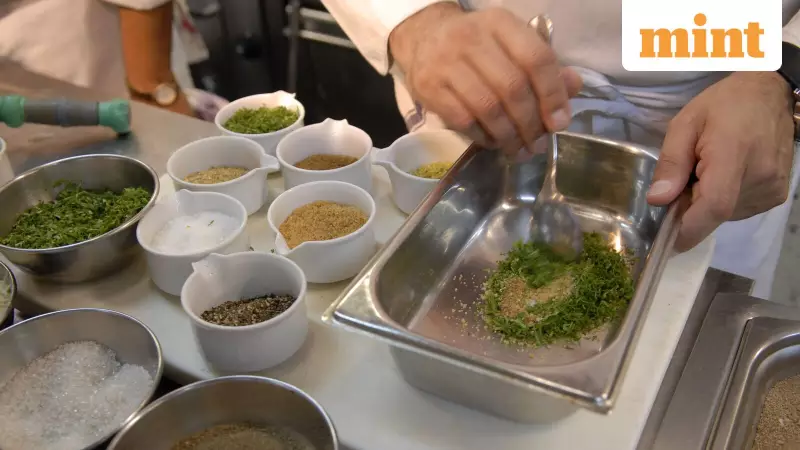
India's Restaurant Revolution: A 30-Year Transformation
Julian Barnes once declared with experienced certainty that some dishes remain best enjoyed in restaurants, regardless of how tempting cookbook versions appear. As a devoted Barnes follower, I've embraced this philosophy wholeheartedly, cooking minimally and infrequently for myself. I represent those "evolving consumers" that restaurant industry reports enthusiastically credit for driving India's dining boom over the past fifteen years.
The Historical Shift in Indian Dining Culture
According to Camellia Panjabi's new book Vegetables: The Indian Way, eating out represents a relatively new practice in India. The transformation began in the 1970s when five-star hotels started upgrading their menus following government encouragement to attract tourists and earn foreign exchange. This era of licenses and permits meant only established chains possessed the financial resources to purchase ingredients required for fine dining.
Naturally, hotel kitchens became essential training grounds for aspiring young chefs. Even today, they remain crucial learning environments where culinary professionals master fundamental skills and understand kitchen processes. However, process alone cannot guarantee exceptional meals. Cooking transcends mere standard operating procedures—it represents an art form that demands creativity and passion beyond technical execution.

Economic Liberalization's Impact on Indian Cuisine
The economic reforms of the 1990s initiated profound changes in India's culinary landscape over approximately thirty years. This liberalization provided chefs with unprecedented access to diverse ingredients, international education, and global culinary influences. The restaurant scene diversified dramatically as standalone restaurants, bistros, and cafes began dominating "where to eat" lists that previously featured predominantly hotel coffee shops and grills.
As independent chefs experiment boldly with flavors and ingredients, questions emerge about hotel restaurants potentially falling behind. Are upscale standalone establishments merely standing on the shoulders of luxury hotel giants? Hotel restaurants now attempt innovation through bar takeovers, pop-ups, chef collaborations, and menu revamps, but uncertainty remains about whether these efforts suffice.
Beyond Dining: Lounge's Comprehensive Coverage
This week's Lounge edition explores these culinary questions while offering diverse content including a Shah Rukh Khan birthday tribute through Dil Se reexamination, an interview with Bollywood villain costume designer Madhav Agasti, Salman Rushdie's The Eleventh Hour review, and a guide to Delhi's newest south Indian restaurants—all standalone establishments.
The print issue also addresses critical contemporary issues: the disappearance of human interaction in customer service, David Szalay's Booker Prize-winning novel Flesh, AI's disproportionate impact on women workers, adult ADHD management strategies, and an immersive pintxo bar experience in San Sebastián, Spain.
India's dining evolution continues unfolding as hotel restaurants and standalone establishments navigate changing consumer preferences, economic realities, and culinary innovation. The conversation about who leads this transformation—hotel giants or independent restaurateurs—remains ongoing and fascinating.