How to Identify and Avoid Bitter Cucumbers Before You Slice Them
Cucumbers are a refreshing staple in summer meals, perfect for salads or blended into cooling raitas. However, a common issue many face is the unpleasant bitterness that can ruin a dish. Contrary to popular belief, you can detect bitter cucumbers before tasting them by paying attention to key details.
Why Do Some Cucumbers Turn Bitter?
Before diving into the tricks, it's essential to understand the cause of bitterness in cucumbers. This typically stems from compounds called cucurbitacins, which develop due to environmental stress factors like improper watering, excessive heat, or poor soil quality. These compounds often concentrate in the ends of the cucumber or distribute unevenly, explaining why two seemingly identical cucumbers can taste vastly different.
Look at the Color and Texture
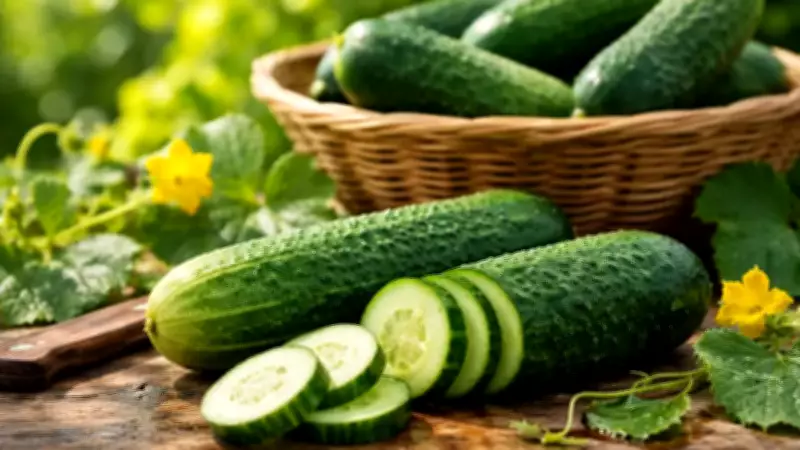
The first and most reliable indicator is the cucumber's appearance. A high-quality cucumber should have a uniform dark green color and a firm, smooth outer skin. Yellow patches, dullness, or faded hues signal overripeness or spoilage. Soft spots or wrinkled skin are also warning signs. According to lifestyle reports, cucumbers that are soft or yellow are more likely to taste bitter, so always opt for ones that feel tight and crisp to the touch.

Check the Shape and Size
Shape plays a more critical role than many realize. Cucumbers that are thick, oversized, or irregularly shaped tend to have more developed seeds, which contribute to bitterness. Instead, choose medium-sized, straight cucumbers. Slender varieties are generally fresher and less bitter, while thicker ones may be overripe and undesirable for consumption.
Use Your Sense of Smell
This method might seem unusual, but it can be quite effective. A fresh cucumber emits a mild, clean, almost watery scent. If you detect a strong, sour, or off-putting odor, it's best to avoid that cucumber. While not foolproof, this technique helps steer clear of cucumbers that are already spoiled or nearing spoilage.
Feel the Firmness
Gently press the cucumber with your fingers. It should feel firm yet crisp, not rock-hard or overly soft. A too-soft texture indicates spoilage, while excessive hardness suggests the cucumber is old and likely bitter. Aim for a balance of firmness and crispness to ensure freshness.
Try the Rubbing Trick After Buying
If you've already purchased a cucumber and want to inspect it before slicing, use this simple trick. Cut a small piece from one end and rub it against the exposed surface. If a white foam-like substance appears, it may indicate the presence of bitterness-causing agents. Note that this doesn't necessarily mean the entire cucumber is inedible, but it's a useful precaution.
What to Do If It Turns Out Bitter
Despite all precautions, you might still encounter a bitter cucumber. Don't panic—there are ways to mitigate the bitterness. You can remove the skin and trim the ends, as cucurbitacins often accumulate there. Rubbing the ends or sprinkling salt can also help reduce the bitter taste. However, if the bitterness persists, it's advisable not to consume the cucumber, as it may cause mild stomach discomfort.