Ice Apple vs Litchi: A Comprehensive Guide to India's Beloved Summer Fruits
As the summer season arrives, fruit markets across India become vibrant with seasonal offerings that provide essential refreshment during the scorching heat. Among the most popular and widely consumed fruits are the ice apple and litchi, celebrated for their cool, juicy nature. While both are staples in hot weather, they differ significantly in taste, texture, and nutritional value, catering to diverse preferences for summer refreshment.
Understanding Ice Apple: The Hydrating Delicacy
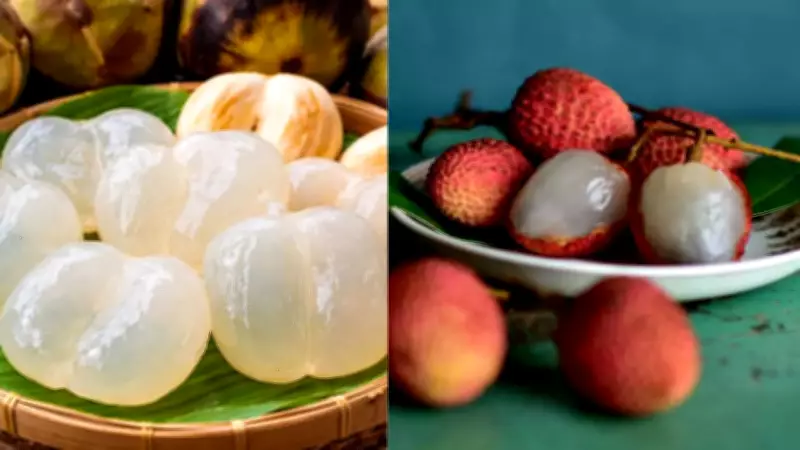
Ice apple, known regionally as tadgola in western India and nungu in parts of South India, is harvested from the palmyra palm tree. This unique fruit develops within a large, dark shell, which, when opened, reveals soft, translucent segments containing the edible pulp. The pulp boasts a jelly-like texture and a mild sweetness, often compared to tender coconut flesh. Its high water content makes it exceptionally cooling, a key reason for its popularity in areas with intense summer heat.
Typically consumed fresh, ice apple is often sold by vendors who slice open the palm fruit on the spot to serve the delicate pulp. Due to its perishable nature, it spoils quickly and is rarely stored for long periods or transported far from harvest sites, limiting its availability primarily to local markets.

Exploring Litchi: The Sweet and Fragrant Favorite
Litchi, also spelled lychee, grows on tropical evergreen trees and features a rough red outer skin that must be peeled before eating. Inside, a soft white pulp surrounds a single brown seed, offering a stronger and sweeter flavor than ice apple, accompanied by a noticeable floral aroma. This fragrant and juicy fruit is widely used in juices, desserts, fruit salads, and chilled summer drinks, enhancing its appeal.
In India, litchi cultivation is concentrated in regions like Bihar, and during harvest season, the fruit is shipped nationwide, making it widely accessible in markets across the country.
Comparing Taste and Texture: A Sensory Analysis
Ice apple is characterized by its light, delicate sweetness and soft, jelly-like texture, which feels incredibly refreshing due to its high water content. It is often regarded as a natural cooling food, ideal for combating extreme heat.
In contrast, litchi is much sweeter and juicier, with a smooth but firmer flesh. The distinct floral aroma released upon peeling adds to its allure, making it a favorite for those who prefer robust flavors.
Generally, individuals seeking mild, hydrating fruits tend to favor ice apple, while those desiring a sweeter, more aromatic experience often choose litchi.
Nutritional Benefits: Health Advantages of Each Fruit
Both fruits offer unique health benefits, though in different forms. The primary advantage of ice apple lies in its hydrating properties, thanks to its substantial water content. This helps cool the body and prevent dehydration during hot summer months, making it an excellent choice for maintaining hydration levels.
Litchi, on the other hand, is rich in nutrients such as vitamin C and antioxidants, which play a significant role in boosting the immune system. Additionally, the natural sugars in litchi provide a quick energy boost, supporting overall vitality during the summer season.
Seasonal Availability: When and Where to Find Them
The availability of ice apple and litchi varies based on geographical location. Ice apple is typically available from late spring to early summer in areas where palmyra palm trees thrive. However, due to its perishability, it is mostly found in local markets near harvest sites, with limited distribution.
Litchi has a similar seasonal window but benefits from easier transportation, allowing it to be widely available in markets during early summer across India, despite regional cultivation patterns.
Making the Right Choice: Which Fruit Suits You Best?
There is no definitive answer to which fruit is superior, as the choice largely depends on personal taste and specific needs for summer refreshment. Ice apple is an ideal option for those seeking a light, cooling, and highly hydrating fruit. Conversely, litchi may appeal more to individuals who prefer a sweeter flavor with added vitamins and a stronger aroma.

Ultimately, both fruits offer delightful ways to beat the heat, and experimenting with each can enhance your summer culinary experience.