How to Identify Sweet Anjeer (Figs) While Shopping: A Comprehensive Guide
Anjeer, commonly known as figs, stands out as a beloved dry fruit prized for its natural sweetness and numerous health advantages. Whether enjoyed as a standalone snack or incorporated into desserts, high-quality anjeer enhances both flavor and nutritional value. However, the market often presents a mix of fresh and subpar options, leading many consumers to inadvertently purchase dry or hard figs due to a lack of selection knowledge. To ensure you always bring home fresh and sweet anjeer, mastering a few simple yet effective tips is essential.
1. Assess the Softness and Texture
The most straightforward method to identify sweet anjeer is through touch. Fresh and high-quality figs exhibit a soft, spongy texture that yields slightly under pressure. In contrast, hard and dry anjeer often indicates age or poor freshness. Look for figs that feel soft and slightly sticky, as this is a reliable sign of good quality and inherent sweetness. Gently pressing the fruit before purchase can provide immediate insight into its freshness.
2. Examine the Color and Appearance
Color serves as a visual cue for anjeer quality. Fresh and sweet figs typically display a light brown or golden brown hue. Be cautious of anjeer that appears too dark, dull, or features black spots, as these may signal old age or improper storage. Additionally, an even color without cracks or excessive dryness generally points to superior quality, ensuring a more enjoyable eating experience.

3. Check for Natural Sweetness and Aroma
Sweet anjeer often emits a light, pleasant fragrance, especially when purchased loose. This natural scent is a strong indicator of freshness. Conversely, a sour smell or lack of aroma may suggest lower quality. It's important to note that naturally sweet figs do not require added sugar, so avoid those with a sugary coating, which can mask inferior taste and texture.
4. Inspect the Seeds Inside
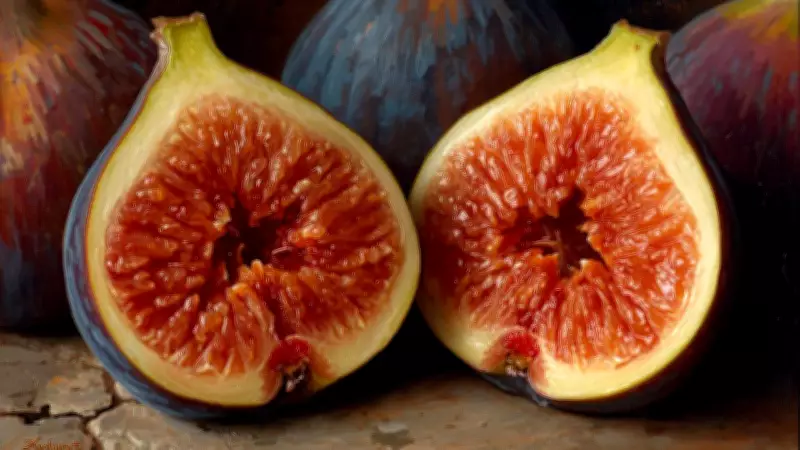
Another key to recognizing good-quality anjeer lies in its interior. When broken open, a fresh fig should reveal a rich texture filled with seeds, which contribute to both taste and nutritional value. High-quality anjeer appears plump and moist inside, whereas poor-quality figs may look dry and lackluster, compromising their health benefits.
5. Avoid Overly Dry or Hard Figs
Dry and hard anjeer clearly indicates moisture loss or extended storage, resulting in reduced sweetness and a tough chew. Fresh figs should retain softness and internal moisture, even in dried forms. While dried figs are naturally less juicy, they should never feel hard, as this detracts from their flavor and digestibility.
6. Verify Proper Storage Conditions
Storage plays a critical role in maintaining anjeer quality. Figs should be kept in cool, dry places away from direct sunlight. When shopping, opt for figs stored in clean, sealed containers to prevent damage from improper handling or moisture loss. This ensures the fruit remains fresh and safe for consumption.
Why Choosing the Right Anjeer Matters
Selecting high-quality anjeer is vital not only for superior taste but also for health. Figs are packed with fiber, vitamins, and essential minerals, offering numerous wellness benefits. However, stale or low-quality figs may fail to deliver these advantages and could even negatively impact digestion. By following these tips, you can consistently enjoy sweet, nutritious anjeer that enhances your diet and well-being.