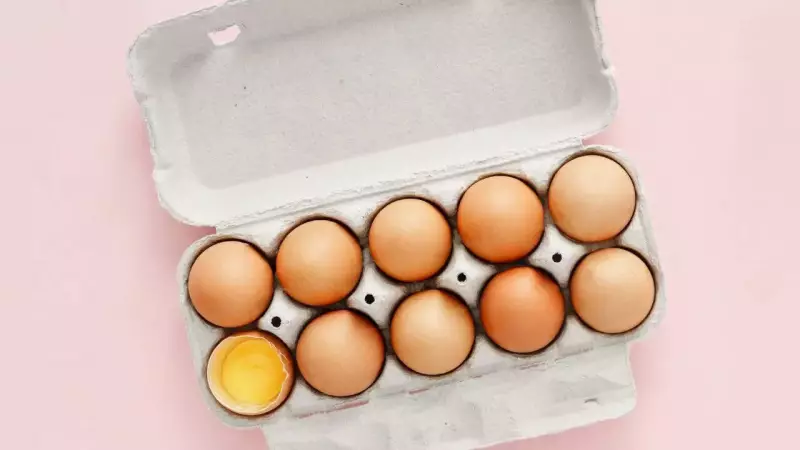
In Indian kitchens, eggs are a staple ingredient, trusted implicitly for days or even weeks as they sit in the refrigerator. We crack them open, expecting perfection for our omelettes, curries, and baked goods. Most times, they deliver. But occasionally, a foul odour or a suspiciously runny texture gives us pause. With growing awareness about food quality and safety, that moment of hesitation is crucial. The good news? You don't need a laboratory. A few quick, traditional checks can reliably tell you if an egg is still good for your kadhai or belongs straight in the bin.
Why Checking Eggs Before Cooking is Non-Negotiable
Eggs are masters of disguise. Their sturdy exterior gives no clear sign of their internal age or the conditions they endured before reaching your fridge. Heat, humidity, and rough handling during transport can accelerate spoilage. Using a compromised egg doesn't just risk ruining a carefully prepared dish; it poses a genuine health hazard, potentially causing foodborne illness. Developing the habit of a quick pre-cooking inspection is a simple yet powerful act of kitchen safety.
The Visual and Tactile Shell Check
Begin with the most straightforward step: pick up the egg and examine it closely. A fresh egg's shell should be clean, dry, and firm to the touch. Be wary of any slimy, sticky, or powdery residue. Cracks, even hairline fractures, are significant red flags. They provide an easy entry point for bacteria. If the shell is damaged or emits an unusual smell, do not attempt to salvage it. Discard it immediately.

The Timeless Water Float Test
This century-old technique remains one of the most reliable indicators. Fill a deep bowl or glass with water and gently lower the egg into it. A very fresh egg will sink and lie flat on its side at the bottom. As an egg ages and its air cell expands, it will begin to tilt upwards or stand on one end. If the egg floats completely to the surface, it has accumulated a large amount of air inside and is no longer fresh enough to eat. The floating test offers a clear, unambiguous result.
The Separate Bowl and Sniff Test
This is a golden rule for every cook: always crack an egg into a small separate bowl before adding it to your main mixing bowl or hot pan. This single habit can save an entire recipe. A fresh, good-quality egg will have a neutral, almost imperceptible smell. If you are met with a distinct sulphuric, rotten, or pungent odour upon cracking, the egg is spoiled. Do not taste it. Trust your nose and dispose of it.
Also, observe the egg's appearance in the bowl. A fresh egg presents confidently: the yolk is plump, rounded, and sits high, while the thick albumen (egg white) clings tightly around it, with a gel-like consistency. In an older egg, the white becomes thin and watery, spreading widely, and the yolk appears flatter and may break easily. While this doesn't always mean the egg is dangerous, it signals it is past its prime for best results.
The Shake and Listen Test
Hold the egg close to your ear and give it a gentle shake. A fresh, high-quality egg will be quiet, with little to no sound. If you hear a distinct sloshing or liquid movement, it indicates the internal contents have broken down and deteriorated with age, creating more space inside. This simple auditory check is a surprisingly accurate quick assessment.
Proper Storage is Key to Longevity
Prevention is better than cure. How you store eggs significantly impacts their shelf life. Always keep eggs refrigerated, preferably in their original cardboard carton. The carton protects them from absorbing strong odours from other foods and slows down moisture loss through the shells. Avoid storing eggs on the refrigerator door, where temperatures fluctuate with frequent opening and closing. Consistent, cool storage is essential for maintaining freshness and safety.
Checking eggs need not be a complex or time-consuming ritual. It's about mindful cooking. Investing a few seconds in these simple checks can prevent digestive discomfort, food waste, and a ruined meal. Eggs are a humble, nutritious food, but they command a moment of respect before they hit your pan.

Disclaimer: This information is intended for general knowledge and should not be considered a substitute for professional medical, nutritional, or scientific advice. For personalised recommendations, always consult certified professionals.