Food Safety Alert: How Long Can Cooked Chicken Stay in Your Fridge?
People worldwide frequently prepare cooked chicken in large batches, storing extra portions in their refrigerators for future meals like salads, sandwiches, or pasta dishes. However, a critical food safety question consistently arises: How long can cooked chicken safely remain in the refrigerator before becoming unsafe for consumption?
Food safety experts emphasize that even properly cooked food can become hazardous if stored for excessive periods. Bacteria can still proliferate slowly in refrigerated environments, meaning leftovers possess a limited shelf life. Government health agencies regularly publish guidelines to help consumers understand safe storage durations for cooked foods. Adhering to these recommendations significantly reduces the risk of foodborne illnesses while simultaneously preventing unnecessary food waste.
The Official 3-4 Day Rule for Cooked Chicken
According to food safety guidance from the United States Department of Agriculture (USDA), cooked chicken can typically be safely stored in the refrigerator for three to four days, provided the temperature remains at 40°F (4°C) or below. The USDA Food Safety and Inspection Service clarifies that this time limit applies to most cooked chicken preparations, including grilled, roasted, or chicken used in soups and casseroles.

The risk of bacterial growth increases substantially after this three to four day window. Food safety authorities strongly advise discarding any leftovers that have exceeded this recommended storage period.
Why Refrigeration Doesn't Stop Bacterial Growth Completely
While refrigeration significantly slows bacterial multiplication, it does not halt it entirely. Certain microorganisms can still develop gradually even in cold temperatures. The Centers for Disease Control and Prevention (CDC) in the United States warns that pathogens causing foodborne illnesses can proliferate in improperly stored food or items kept refrigerated for too long.
Common bacteria frequently associated with poultry include:
- Salmonella
- Campylobacter
- Clostridium perfringens
These bacteria rank among the most prevalent causes of foodborne illness globally. The CDC notes that contaminated food may sometimes appear normal, meaning smell or taste alone cannot reliably indicate safety.
Proper Storage Techniques for Cooked Chicken
Food safety agencies stress that how leftovers are stored plays a crucial role in determining their safe duration.
Refrigerate Within Two Hours: Following USDA recommendations, cooked food should be placed in the refrigerator within two hours after preparation. If ambient temperatures exceed 90°F (32°C), refrigeration should occur within one hour.
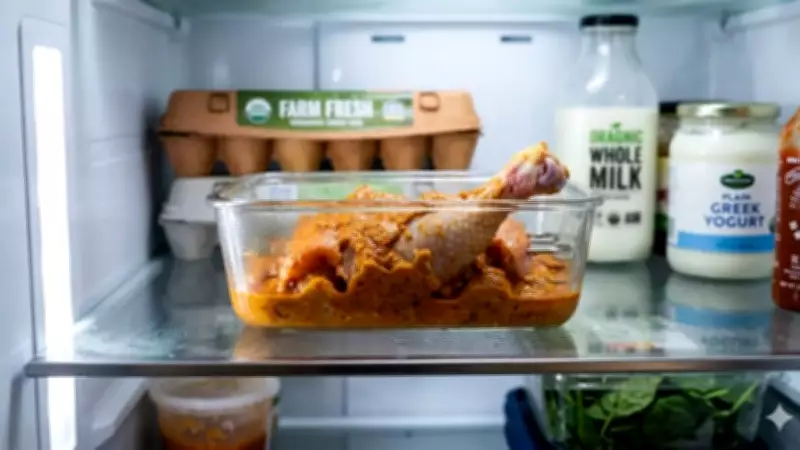
Use Airtight Containers: Store cooked chicken in airtight containers or tightly sealed packaging. This practice retains moisture and minimizes cross-contamination risks.
Maintain Safe Refrigerator Temperatures: The US Food and Drug Administration (FDA) advises keeping refrigerators at 40°F (4°C) or lower to inhibit bacterial growth.
Divide Leftovers Into Smaller Portions: Placing leftovers in smaller containers facilitates faster cooling, preventing bacterial proliferation during the cooling process.
Warning Signs That Cooked Chicken Has Spoiled
Even when stored for appropriate durations, chicken can spoil under improper conditions. Food safety experts recommend watching for several indicators:
- Changes in smell: Spoiled chicken may emit a sour or unpleasant odor.
- Changes in texture: Cooked chicken that feels slimy or sticky suggests bacterial growth.
- Changes in color: A dull gray or slightly greenish hue may indicate the chicken is no longer safe.
The USDA cautions that visible signs alone cannot always determine food safety. Experts unanimously recommend discarding any food when doubt exists.
Freezing for Extended Storage
Freezing cooked chicken can substantially extend its storage life. The USDA states that cooked chicken can generally be stored in the freezer for two to six months without significant quality loss.

While freezing temperatures halt bacterial growth, they do not eliminate all bacteria. Proper reheating remains essential before consumption.
The Importance of Proper Reheating
Correctly reheating leftovers represents another vital food safety step. The USDA Food Safety and Inspection Service advises heating leftovers until they reach an internal temperature of 165°F (74°C).
This temperature effectively destroys bacteria that may have developed during storage. Food safety professionals strongly recommend using a food thermometer to verify temperatures before consuming reheated leftovers.
Understanding Food Safety and Leftover Management
Food safety organizations underscore that proper leftover handling is crucial for preventing illness. The CDC reports that millions suffer from foodborne diseases annually, often resulting from improper storage or preparation.
Following suggested storage times, prompt refrigeration, and proper reheating techniques are simple practices that dramatically reduce foodborne illness risks. By understanding how long cooked chicken can safely remain refrigerated, consumers can make informed decisions about when to consume leftovers and when to dispose of them.