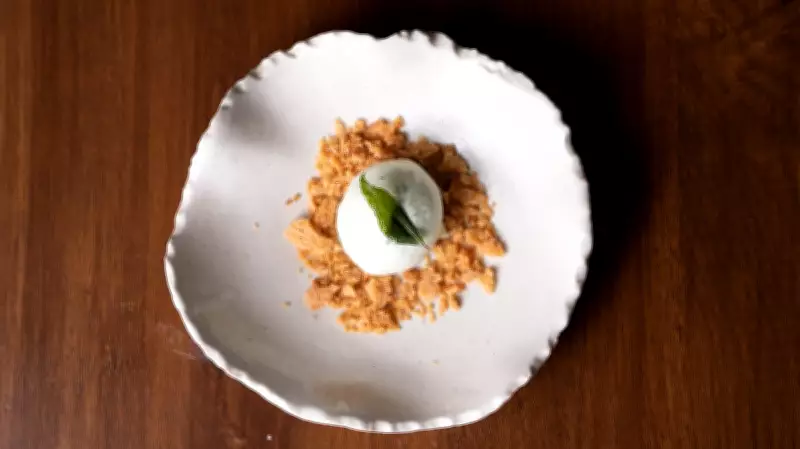
Ice has evolved from a simple cooling agent into a central element of fine dining, where chefs use it intentionally to enhance flavor, structure, and the overall dining experience. According to food writer Anjali Kochhar, ice is now a medium that transforms dishes and drinks, offering relief not just from summer heat but as a tool for culinary innovation.
Ice as a Flavor Carrier
In high-end restaurants, ice is often infused with herbs, fruits, or spices to impart subtle flavors as it melts. For example, a cucumber-basil ice cube can gradually season a cocktail or a cold soup, creating a dynamic taste journey. Chefs also use ice to control dilution precisely, ensuring that a drink or dish maintains its intended balance from first sip to last.
Structural and Textural Impact
Ice is used to create unique textures, such as shaved ice toppings on savory dishes or frozen foams that melt on the tongue. In desserts, ice is carved into intricate shapes that double as serving vessels, adding visual drama. The intentional use of ice also affects temperature, which can heighten or mute certain flavors, allowing chefs to craft a multi-sensory experience.

Beyond Beverages
Ice is no longer confined to drinks. It appears in chilled plates for seafood, ice bowls for salads, and even as a cooking surface for flash-freezing ingredients. This trend reflects a broader movement in gastronomy where every element on the table serves a purpose. As Kochhar notes, "Ice has become a star ingredient, not just an afterthought."
Environmental and Practical Considerations
Despite its growing popularity, the use of ice raises questions about sustainability, as producing large quantities of ice consumes energy and water. Some chefs are addressing this by using reusable ice alternatives or sourcing ice from sustainable suppliers. Nonetheless, the trend shows no signs of cooling down, with ice continuing to inspire creativity in kitchens worldwide.