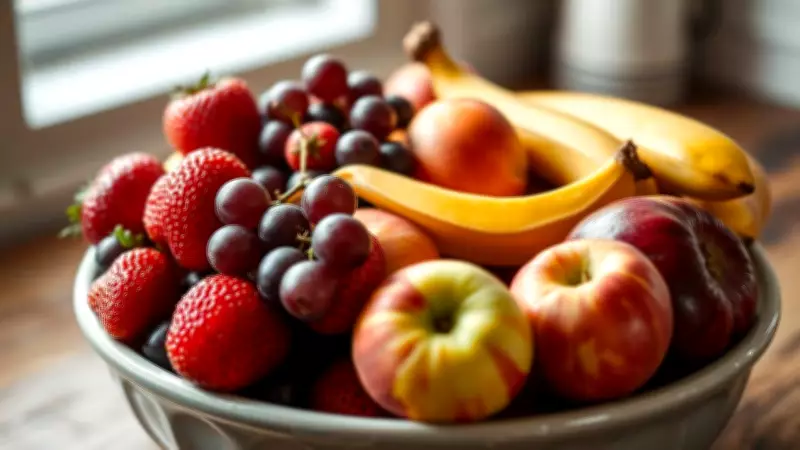
The Hidden Culprit in Your Fruit Bowl: Ethylene Gas
It begins with a vibrant bowl of fresh fruit placed proudly on the kitchen counter each Monday. Yet, by Thursday, that same bowl often transforms into a disappointing collection of overripe, mushy produce. While it's tempting to blame the grocery store or weather conditions, the true villain is invisible and odorless: ethylene gas, naturally released by the fruits themselves.
Ethylene: The Biochemical Ripening Signal
Ethylene acts as a crucial biochemical indicator for the ripening process. Fruits in close proximity don't just sit idly; they communicate through this gaseous hormone, triggering accelerated maturation. Understanding this behind-the-scenes activity empowers you to store your groceries more effectively.
This organic compound functions like a biological alarm clock for fruit ripening. In climacteric fruits, once this alarm activates, the process becomes irreversible. The reaction is autocatalytic, meaning as one fruit ripens and emits ethylene, it stimulates neighboring fruits to produce more ethylene, creating a rapid chain reaction.

In a densely packed fruit bowl, ethylene accumulates in the confined spaces between items, dramatically speeding up their ripening. This explains why isolated fruits often last longer than those clustered together.
Climacteric vs. Non-Climacteric Fruits: A Critical Distinction
Different fruits exhibit varied biological responses when placed side-by-side, allowing scientists to categorize them based on their ethylene production and sensitivity. Climacteric fruits, including bananas, apples, avocados, and tomatoes, are prolific ethylene producers.
Research published in studies like Role of Ethylene in Fruit Ripening highlights how ethylene triggers biochemical changes, converting starches into sugars and softening cell walls. While this benefits the ripening fruit, it poses problems for ethylene-sensitive neighbors.
Non-climacteric fruits such as grapes, strawberries, and citrus fruits undergo minimal ripening post-harvest. However, when exposed to high ethylene environments from ripening bananas or apples, they suffer adverse effects. Instead of ripening, ethylene forces premature aging, leading to brown spots, increased bitterness, or compromised protective barriers.
The Role of Gas Exchange and Skin Permeability
The gas exchange process in fruits significantly impacts how long your produce remains fresh. This exchange largely depends on the fruit's skin characteristics. Some fruits have porous skins, while others, like tomatoes, employ specialized mechanisms.
According to the Journal of Food Science and Technology, gas exchange efficiency is heavily influenced by peel permeability. In tomatoes, the stem attachment area facilitates most gas exchange. If this region is damaged or placed in poorly ventilated conditions, ethylene builds up internally, causing the pulp to soften prematurely.
This underscores the vital importance of proper ventilation. When ethylene-producing fruits are tightly packed in deep bowls or bundles, they create a concentrated, pressurized ethylene zone. The gas becomes trapped, while oxygen struggles to penetrate, disrupting metabolic balance.
This principle also explains why placing an unripe avocado with a ripe banana in a paper bag accelerates ripening—the enclosed space traps ethylene around the avocado. To prevent unwanted ripening, you must disperse these gas concentrations.
Practical Tips to Extend Produce Freshness
Employ the Separation Strategy: Store ethylene-sensitive items away from high-ethylene producers. For instance, hang bananas separately and arrange avocados in a single layer rather than stacking them.
Utilize Refrigeration Wisely: For already ripe fruits, refrigeration slows metabolic activity and ethylene production, extending shelf life. Exercise caution with tomatoes and bananas, as chilling can cause damage and flavor loss.
Choose Ventilated Containers: Opt for open, basket-like containers instead of sealed glass or plastic ones. This allows ethylene to escape and promotes better air circulation, keeping your fruits fresher longer.

By mastering these ethylene management techniques, you can reduce food waste and enjoy your produce at its peak freshness for extended periods.