Hidden Holi Delights: 11 Regional Indian Festival Foods You Must Know
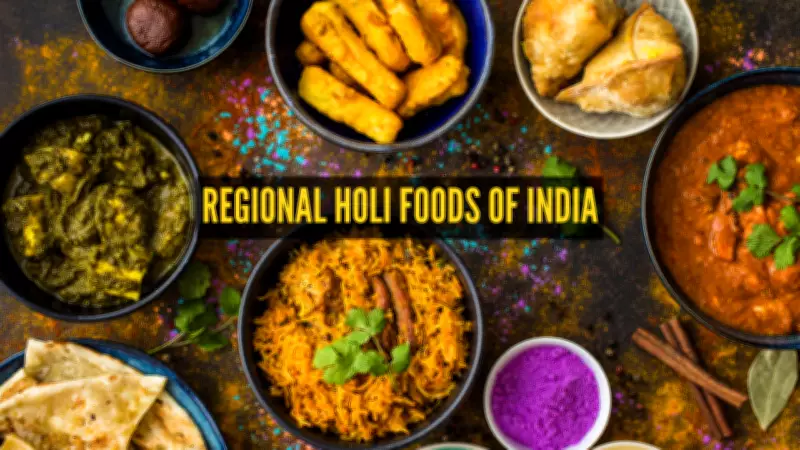
While Holi is widely celebrated for its vibrant colors and joyous festivities, the culinary traditions associated with this spring festival often remain overlooked. Beyond the popular gujiya and thandai, India boasts a rich tapestry of regional Holi foods that reflect local harvests, cultural practices, and unique flavors. Here, we delve into 11 such lesser-known dishes from different parts of the country, offering a gastronomic journey through India's diverse heritage.
1. Poornalu, Andhra Pradesh
Also known as Boorelu, Poornalu consists of deep-fried dumplings with a soft jaggery and chana dal filling encased in a crisp rice-urad batter coating. This delicacy is celebrated for its contrasting textures—crunchy on the outside and meltingly tender inside—making it a Holi favorite in Andhra households.
2. Puranachi Poli, Maharashtra
Traditionally prepared during Gudi Padwa, Puranachi Poli is also a staple in many Maharashtrian Holi gatherings. This flatbread is stuffed with a sweet mixture of chana dal and jaggery, offering a delightful blend of flavors that complements the festive spirit.

3. Arsa Pitha, Uttarakhand
Associated with Kumaoni Holi, which emphasizes music and community, Arsa Pitha is a deep-fried sweet made from soaked rice flour and jaggery. Its slightly chewy and rustic texture embodies the earthy charm of Uttarakhand's culinary traditions.
4. Meethe Chawal, Punjab
This fragrant saffron-yellow rice dish is cooked with sugar, dry fruits, and sometimes fennel, creating a sweet and aromatic treat. Served hot or cold, Meethe Chawal holds a special place in Punjabi homes during Holi, symbolizing prosperity and joy.
5. Bora Saul Jolpan, Assam
During Dol Jatra, Assam's spring festival that coincides with Holi, people enjoy Bora Saul Jolpan—a dish featuring sticky rice (bora saul) combined with jaggery, curd, and coconut. This preparation highlights how Holi merges with regional harvest traditions, offering an aromatic and nutritious experience.
6. Kanji Vada, Rajasthan
A tangy and fermented delicacy, Kanji Vada involves urad dal vadas soaked in fermented mustard-flavored water (kanji). Light on the gut and beneficial for digestive health, this dish adds a refreshing twist to Holi feasts in Rajasthan.
7. Singori, Uttarakhand
This Holi special is made with khoya and cardamom, traditionally wrapped in maalu leaves, which impart a unique aroma and shape. Singori's rich, creamy texture and fragrant notes make it a cherished treat in Uttarakhand.
8. Dhuska, Jharkhand
Dhuska is a deep-fried dish crafted from a batter of rice and lentils, typically served with aloo curry. Its crispy exterior and soft interior provide a savory counterpoint to the sweet offerings of Holi, showcasing Jharkhand's culinary diversity.
9. Poda Pitha, Odisha
Made from fermented rice and jaggery, often enriched with coconut and cardamom, Poda Pitha is slow-cooked or baked over a low flame. This results in a slightly charred, caramelized exterior and a soft, sweet interior, making it a must-have Holi dish in Odia households.
10. Khapse, Arunachal Pradesh
Khapse is a traditional deep-fried pastry made with wheat flour and shaped into intricate designs. As an integral part of Holi festivities in Arunachal Pradesh, it represents the artistic and celebratory aspects of the festival.
11. Chhangban, Bihar
Native to Bihar and Jharkhand, Chhangban is a deep-fried sweet made from rice flour and jaggery, commonly prepared during Holi and Diwali. Its simple yet satisfying flavor profile underscores the rustic sweetness of regional festival foods.
These 11 regional Holi foods illustrate the incredible culinary diversity across India, each dish telling a story of local ingredients, traditions, and community bonds. As Holi approaches, exploring these hidden delights can enrich your festive experience, offering a deeper appreciation for India's gastronomic heritage.