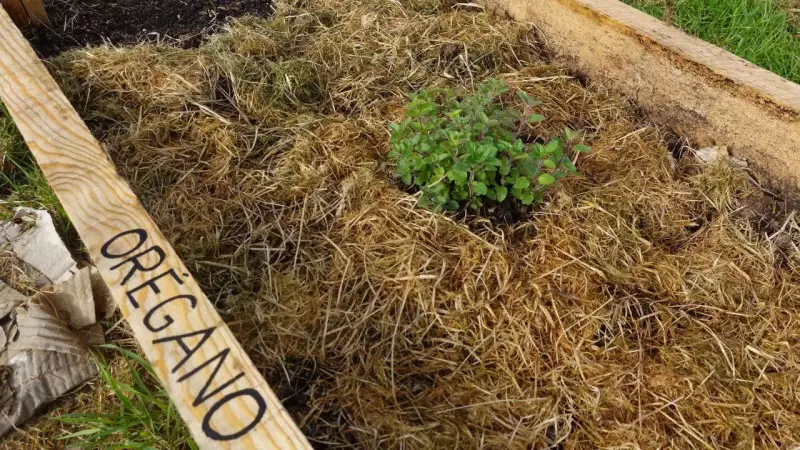
For Indian gardeners seeking a resilient and rewarding addition to their green space, oregano emerges as a top contender. This Mediterranean native, celebrated for its robust nature and culinary punch, finds a happy home in Indian conditions, thriving on balconies, in containers, or garden beds with remarkable ease. Its journey from a tiny seed to a fragrant, flavourful plant is a lesson in simple, satisfying gardening.
Your Step-by-Step Guide to Cultivating Oregano
Cultivating oregano is a straightforward process that promises success even for those new to gardening. The key lies in understanding its basic preferences for sunlight, soil, and water.
The first step is picking the perfect spot. Oregano is a sun-worshipper. Choose a location that receives a minimum of six to eight hours of direct sunlight daily. This could be a sunny windowsill, a balcony railing, or an open patch in your garden.

Preparing the right soil mix is crucial. For sowing seeds, a light medium like coco-peat is ideal as it retains moisture without becoming waterlogged. When transplanting seedlings to larger pots, use a well-draining mix. Combine garden soil with perlite and organic matter. Interestingly, oregano prefers soil that is not too rich, as leaner soil actually intensifies the flavour of the leaves.
Sowing the seeds requires a light touch. Sprinkle the tiny oregano seeds thinly over the soil surface and press them down gently. Do not bury them deep, as they need light to germinate. A light sprinkling of water will set the process in motion.
Watering must be done carefully. Keep the soil lightly moist until germination, which typically takes 7 to 14 days. Avoid making the soil soggy. Once the plant is established, adopt a 'less is more' approach. Water only when the top 1-2 inches of soil feel dry to the touch. Oregano tolerates dryness far better than excess moisture.
Why Every Indian Home Gardener Should Grow Oregano
The appeal of oregano extends far beyond its simple care routine. It offers a powerful combination of practical, culinary, and ecological benefits that make it a must-grow herb.
Firstly, it is exceptionally forgiving for beginners. It withstands occasional lapses in watering or feeding and adapts well to both indoor and outdoor settings. Secondly, the flavour payoff is immense. Freshly picked oregano leaves offer a depth and intensity that dried supermarket versions cannot match, instantly elevating everyday cooking.
Ecologically, oregano is a garden ally. The natural oils it emits act as a natural insect repellent, deterring pests like aphids and mosquitoes. This makes it an excellent companion plant, supporting the health of nearby vegetables and herbs. Furthermore, when allowed to flower, it attracts bees and butterflies, boosting pollination and biodiversity in your garden.
Creating the Ideal Conditions for a Thriving Plant
To ensure your oregano plant grows vigorously and produces the most flavourful leaves, meeting a few basic needs will go a long way.
Sunlight is non-negotiable. While mature plants love full sun, seedlings benefit from bright, indirect light. In India's peak summer heat, providing some afternoon shade can prevent leaf stress and conserve moisture. The right soil must drain well. A mix containing coco-peat, perlite, and organic matter is perfect for preventing root rot.
Master the watering schedule: moist during germination, then only when the topsoil is dry. Feeding is minimal. A monthly dose of diluted balanced liquid fertiliser for potted plants or some compost in early spring for garden plants is sufficient. Over-fertilizing should be avoided, as it dilutes the herb's essential oils and flavour.
With this minimal care and a little patience, oregano establishes itself as a long-lasting, generous herb. It asks for little but gives back abundantly, enriching both your kitchen creations and your garden's ecosystem, proving itself as a truly worthwhile investment for any Indian home.