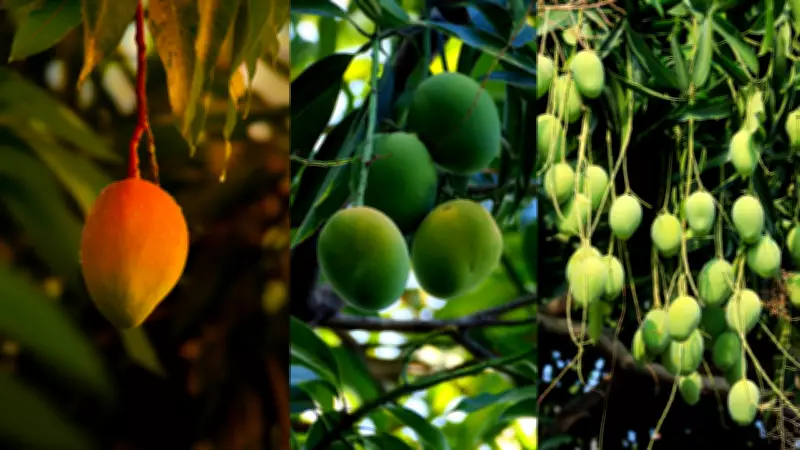
Grow Your Own Mango Tree on a Balcony: A Complete Urban Gardening Guide
Not having a traditional garden no longer means you must miss out on the exquisite taste of fresh, homegrown mangoes. With thoughtful planning and dedicated care, it is entirely possible to cultivate your own mango tree right on your terrace or balcony, even when space is severely limited. This concept might initially seem unbelievable, but it is completely achievable and increasingly popular among urban dwellers.
How to Grow a Mango Tree in a Balcony Garden
Contrary to common belief, a mango tree can indeed be successfully grown in a container, as confirmed by horticulture experts. This method is especially recommended for those with constrained living spaces, such as apartments in urban environments. According to insights from Biology Insights, container gardening allows for controlled growth, making it ideal for city homes. The key lies in selecting specific dwarf mango varieties, such as Carrie and Cogshall, which are naturally compact and thrive in confined conditions.
Best Way to Grow a Mango Tree in a Pot
To successfully cultivate a mango tree in your home garden, several essential factors must be carefully considered to ensure healthy growth and fruit production.

- Choice of Mango Variety: Opt for dwarf mango trees, which typically reach heights between 4 and 8 feet, making them perfect for container gardening.
- Container Size: Select a medium-sized pot initially and gradually increase the size as the plant matures to accommodate root growth.
- Drainage: Ensure the container has excellent drainage holes, as mango plant roots are highly susceptible to waterlogged conditions, which can lead to rot.
- Soil Selection: Use a light, nutrient-rich, and well-draining soil mix to provide the ideal growing medium for your mango tree.
Experts strongly advise against choosing an overly large container at the outset. Instead, gradually upsize the pot to prevent issues like root rot and to promote steady, healthy development.
Sunlight, Water, and Care Tips for Healthy Growth
Mango plants are sun-loving species, originating from tropical regions like India, and they thrive in warm, sunny conditions. For optimal results, follow these crucial care guidelines.
- Position the plant in a spot that receives a minimum of 6 to 8 hours of direct sunlight daily.
- Water the plant regularly, ensuring the soil remains moist but not waterlogged to avoid root damage.
- Apply a balanced fertiliser during the growing season to support robust growth and fruit development.
It is important to note that mango plants are not cold-tolerant. If temperatures drop below 4°C, the flowering process can be severely disrupted, affecting fruit production.
How Long Before You Get Mangoes
Growing mangoes is a patient endeavor, but the reward of harvesting your own fruit is immensely satisfying. If you start with a grafted mango tree, you can expect it to bear fruit within a few years. However, if you choose to grow a tree from a mango seed, the process may take significantly longer, often requiring more time and patience.
While the yield from a container-grown mango tree might be somewhat less compared to one planted directly in the ground, the fruit is equally delicious and offers the unique satisfaction of home cultivation. The advantages of this method are clear—you do not need a large garden to enjoy the sweet, juicy delight of homegrown mangoes.
Why Balcony Mango Gardening Is Worth It
Cultivating a mango tree on your balcony transcends mere hobby gardening; it represents a meaningful step towards sustainable living. This practice enables you to enjoy fresh, chemical-free food, maximize your available urban space efficiently, and maintain a connection with nature amidst the fast-paced city lifestyle. Most importantly, it brings the unparalleled joy that only home-grown produce can provide.
In essence, even without a traditional garden, you can still relish the 'King of Fruits' right in your own home, with just a pot, some sunlight, and a bit of dedication.