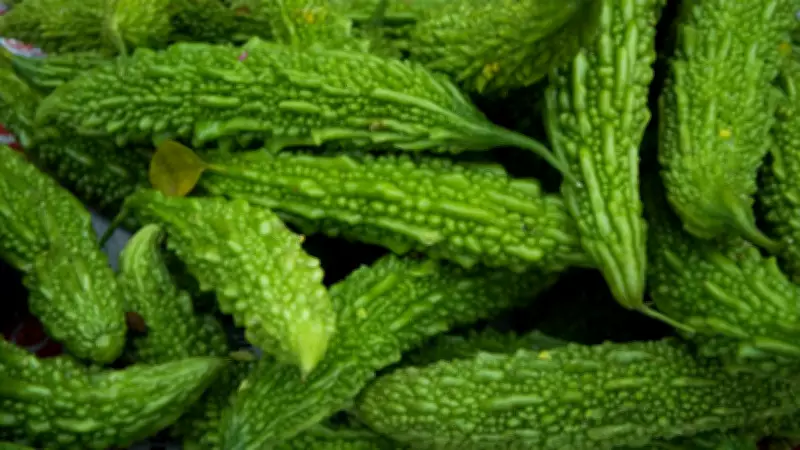
How to Grow Karela (Bitter Gourd) in Containers at Home: A Complete Guide
Karela, commonly known as bitter gourd or bitter melon, is a versatile warm-season climbing vegetable that thrives in heat, sunlight, and humidity. Surprisingly, it can be cultivated effectively in containers with proper care and optimal conditions. This comprehensive guide provides detailed steps to help you grow bitter gourd successfully in pots, ensuring a healthy and productive plant.
Choose a Large and Sturdy Container
Select a deep, robust pot or grow bag with adequate drainage holes, measuring at least 15-18 inches in both depth and width. Since bitter gourd is a vine, it requires ample root space and a stable container that won't topple under the weight of a trellis as the plant grows.
Use a Rich, Well-Draining Potting Mix
Incorporate garden compost into your potting soil to provide steady nutrients. Bitter gourds prefer moist conditions but are susceptible to waterlogging, which can weaken roots and hinder growth. Aim for a balanced mix that retains some moisture while allowing excess water to drain quickly.

Plant at the Right Time
Bitter gourd is a warm-season crop, so sow seeds only when the weather is consistently warm. Seeds germinate best in warm, moist soil, as cool conditions can delay or prevent sprouting, affecting overall plant development.
Sow Seeds Carefully
Place seeds slightly below the soil surface and maintain even moisture until germination. Many gardeners sow multiple seeds per pot and later retain the strongest seedling for a better start. If starting indoors, use biodegradable pots to minimize root disturbance during transplanting.
Provide Full Sun Exposure
Karela thrives in bright sunlight and warm environments. Ideal locations include sunny balconies, terraces, or patios, as sufficient light is crucial for strong vine, flower, and fruit production. In milder climates, some afternoon shade can be beneficial, but excessive shade often results in weak growth and reduced fruiting.
Install a Strong Trellis or Support
This is a critical step in container gardening. Bitter gourd grows rapidly with long vines, so add a trellis, bamboo frame, mesh, or rope support early on. Vertical support keeps fruits cleaner, enhances air circulation, saves space, and simplifies harvesting. It also promotes straighter fruit growth and prevents overcrowding in the container.
Water and Feed Regularly
Keep the soil consistently moist, especially during flowering and fruiting stages. Avoid letting the plant dry out completely, but also prevent prolonged waterlogging. A regular feeding schedule with compost or balanced organic fertilizer helps maintain vine productivity. Container plants typically require more attention as they dry out faster than those grown in the ground.
Monitor Flowers and Pollination
If your plant flowers but fails to produce fruit, poor pollination might be the issue. Bitter gourd has separate male and female flowers, so hand pollination can assist. Positioning the plant in an open, sunny area and avoiding harsh sprays during flowering encourages bee visits and improves pollination rates.
Harvest at the Right Stage
Pick karela when fruits are green, firm, and tender. Leaving them on the vine too long causes them to turn yellow-orange and become less tender. Regular harvesting stimulates continuous production. In warm conditions, fruits can be ready in approximately seven to eight weeks from sowing, depending on the variety and climate.
By following these steps, you can enjoy a successful harvest of bitter gourd from your home container garden, adding a nutritious and flavorful vegetable to your meals.