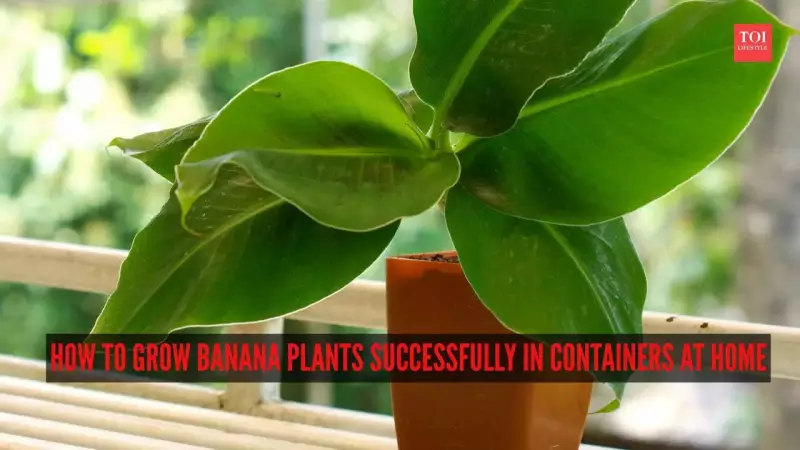
Grow Your Own Banana Plants in Containers at Home
Growing banana plants in containers offers a fantastic way to bring tropical greenery into your living space. This method works perfectly for people without gardens or those living in cooler regions. Container gardening gives you excellent control over soil conditions, water supply, sunlight exposure, and temperature. With proper attention, even a small balcony or patio can become home to thriving banana plants.
Select the Perfect Container
Choosing the right container forms the foundation for success. Banana plants develop vigorous root systems and grow rapidly. You need a pot that provides ample space, ideally holding at least 15 to 25 gallons (approximately 57 to 95 liters) for varieties that produce fruit. Ensure the container has sufficient drainage holes to prevent water accumulation. Bananas react poorly to standing water and are prone to root rot. Consider using heavy pots or placing containers on wheeled bases to maintain stability for tall plants.
Prepare Quality, Well-Draining Soil
Banana plants thrive in rich soil that drains well yet retains adequate moisture. Create an ideal mix by combining standard potting soil with compost and materials like perlite or sand. This blend ensures proper nutrient availability and drainage. Aim for a slightly acidic to neutral pH level, around 5.5 to 6.5. Incorporating organic matter into the soil promotes robust root development, enhances nutrient absorption, and supports vigorous plant growth.

Ensure Adequate Sunlight and Proper Placement
These plants absolutely love sunlight. When grown in containers, they require a minimum of six to eight hours of direct sunlight daily for effective photosynthesis and rapid growth. Place outdoor containers in spots free from shade cast by buildings or trees. For indoor cultivation, position plants near a bright south-facing window. You might also supplement natural light with grow lights to achieve better results. Insufficient light noticeably slows growth and leads to weaker leaves.
Water Consistently While Avoiding Overwatering
Banana plants have high water requirements due to their fast growth rate and large leaf surface area. Maintain consistent soil moisture without allowing waterlogging. Let the top layer of soil dry slightly between watering sessions. Depending on ambient temperatures, you may need to water daily or every other day to meet the plant's needs. Always water until excess liquid drains freely from the pot's bottom holes. This practice helps prevent root diseases.
Apply Fertilizer Regularly
Bananas are heavy feeders that demand regular nutrition for lush foliage and potential fruit production. Feed your plants with a balanced, slow-release fertilizer every four to six weeks during active growth periods. Use fertilizers rich in potassium to support fruit development and those high in nitrogen for vegetative growth. Organic options like compost or fish emulsion also work well. Reduce fertilization frequency during winter when plant growth naturally slows.
Maintain Warm Temperatures and Humidity
As tropical natives, banana plants prefer warm, humid conditions. Ideal daytime temperatures range from 20 to 32 degrees Celsius (68 to 90 degrees Fahrenheit). Try to maintain humidity levels above 50 percent to mimic their natural environment. In dry indoor spaces, mist the leaves regularly or place a water tray with pebbles near the plant to increase humidity. Move containers indoors during cooler months to protect plants from cold stress.
Repot Periodically and Monitor for Pests
Banana plants can become root-bound as they grow. Repot them into larger containers every one to two years to support continued development. Keep an eye out for common pests such as aphids and mites. Wipe leaves gently with water or a mild soap solution to keep them clean and reduce pest infestations. Regularly prune dead leaves and remove unwanted suckers (small offshoots) to direct the plant's energy toward healthy growth.

Adjust Care with Seasonal Changes
Banana plants respond to seasonal shifts. During summer, ensure they receive adequate water, provide some shade from intense midday heat, and maintain good air circulation. In winter, reduce watering frequency, cut back on fertilization, and bring outdoor pots inside before frost arrives. Protecting containers from extreme cold preserves root health and encourages regrowth when spring returns.
Growing bananas in containers combines the joys of tropical gardening with practical plant cultivation. By selecting appropriate containers, preparing suitable soil, ensuring sufficient sunlight, watering correctly, fertilizing regularly, and making seasonal adjustments, you can cultivate healthy banana plants even in colder climates or limited spaces. Whether you desire impressive foliage or hope for ripe bananas, consistent care and patience remain essential for gardening success. Fruit production depends on factors like plant variety (dwarf types often work best), adequate warmth, and long growing seasons.