Gardening Expert Exposes 5 Overpriced Products as Marketing Gimmicks
Many gardening enthusiasts find themselves wandering through garden center aisles, captivated by sleek packaging and promises of perfect results. However, according to industry experts, numerous products flying off shelves are essentially expensive marketing gimmicks with limited practical value.
In an exclusive interview with the Times of India, Patrick Martin, a respected horticulture expert and owner of Frantoio Grove, a regenerative organic-certified olive farm in California, shared his perspective. "Gardening doesn't need to be costly," Martin emphasized. "The industry has become saturated with overpriced products that prey on people's desire for quick fixes and trendy solutions." With decades of farming experience and a commitment to sustainable, stripped-back growing methods, Martin has witnessed countless gardening fads come and go.
Here are the five products identified as the biggest money traps, along with practical alternatives that savvy gardeners should consider instead.

1. Designer Plant Pots and Planters
Garden centers frequently display ceramic pots with eye-watering price tags. While these containers may look beautiful on social media platforms like Instagram, they rarely offer benefits beyond aesthetics. According to a comprehensive 2026 study published in the Journal of Cleaner Production, "Consumers frequently overvalue gardening products marketed as 'specialised' or 'premium,' despite limited functional differences compared to standard, lower-cost alternatives." This research directly validates that designer pots, specialty soils, and branded products are often driven by perception rather than genuine performance benefits.
"I've seen people spend $60 or more on a single decorative pot," Martin revealed. "The truth is, plants don't care about designer branding. A simple terracotta pot costs a fraction of the price and often performs better because it's porous and allows the soil to breathe." For outdoor planting, Martin recommends repurposing old containers or investing in classic terracotta pots, which typically cost under $6 and can last for many years.
2. Pre-Mixed 'Specialist' Soils
Garden centers stock dozens of soil blends, each claiming to be specially formulated for specific plants. From cactus soil and rose soil to citrus soil, the variety seems endless—and so does the expense. "Most of these specialty mixes are just standard compost with minor tweaks," Martin explained. "You're paying a premium for marketing, not quality. A good general-purpose compost combined with some sand or perlite for drainage works perfectly for most plants."
Martin suggests buying compost in bulk and adjusting it yourself. This approach is far more economical and provides greater control over the soil composition, ensuring optimal growing conditions without unnecessary costs.
3. Chemical Fertilizer Boosters
Bottles of liquid fertilizer often promise explosive growth and vibrant blooms, but they come with hefty price tags—sometimes $18 or more for a small bottle that lasts just a few weeks. A significant 2025 study published in the journal Agriculture, Ecosystems & Environment revealed, "Organic amendments such as compost and manure improve soil structure and long-term fertility more sustainably than repeated applications of synthetic fertilisers." This research highlights that chemical fertilizers are often unnecessary and can even be harmful over time, reinforcing the value of low-cost natural alternatives.
"These products create dependency," Martin warned. "Your plants become reliant on constant feeding, and you end up spending more money year after year. Meanwhile, the chemicals can damage soil health over time." Martin's recommended alternative is homemade compost or well-rotted manure, which feeds plants naturally and improves soil structure. "It's free if you make it yourself, or very cheap if you buy it from a local farm," he noted.

4. Electric Garden Gadgets
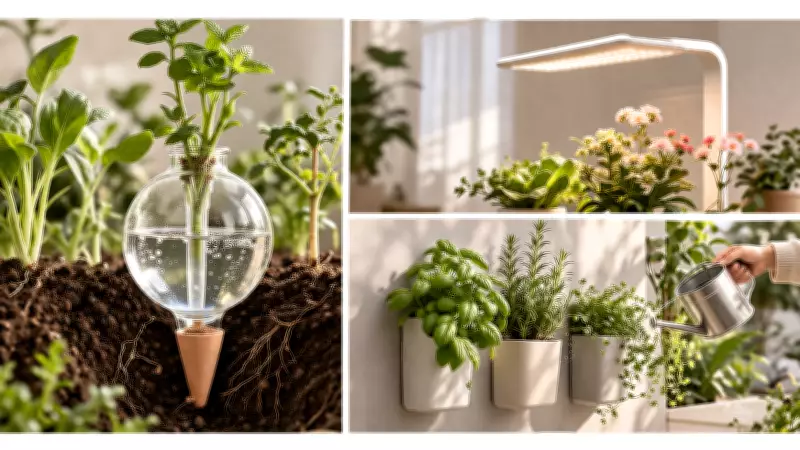
The market is flooded with gadgets that promise to make gardening easier, from heated propagators to automated watering systems. However, these devices often complicate simple tasks without providing substantial benefits. A 2026 study in the journal Sustainability claimed, "Low-cost, resource-efficient gardening methods—such as reuse of containers and simple propagation techniques—consistently achieve comparable plant growth outcomes to high-cost commercial systems." This research supports the argument that expensive gadgets are not necessary and that repurposed containers and simple methods work just as effectively.
"I've seen people spend hundreds on elaborate systems when a simple tray, clear plastic cover, and regular watering schedule would do the same job," Martin observed. "Most seeds germinate perfectly well on a sunny windowsill." For propagation, he recommends using clear plastic bags over pots or investing in a basic $12 propagator rather than expensive heated versions.
5. Decorative Mulch and Bark
Colored mulches and designer bark chips might look tidy, but they are often three times the price of regular wood chips or homemade alternatives. "Decorative mulch is purely aesthetic," Martin stated. "Regular wood chips, leaf mould, or even grass clippings do the same job—suppressing weeds and retaining moisture—at a fraction of the cost or completely free if you source them yourself."
In essence, successful gardening is not about expensive tools or trendy products but about understanding the basics and working with nature. Research consistently shows that simple, low-cost methods often deliver results just as effective, if not better, than heavily marketed alternatives. Ultimately, it is knowledge and practical experience, not price tags, that truly make a garden thrive.