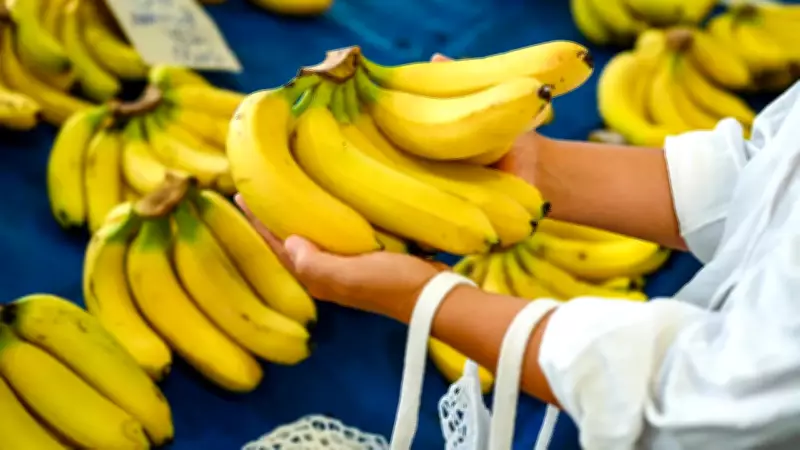
FSSAI's Rulebook on Banana Ripening: A Consumer Guide
The Food Safety and Standards Authority of India (FSSAI) has issued clear guidelines to help consumers distinguish between naturally and chemically ripened bananas. With concerns over food safety on the rise, understanding these rules is crucial for making informed choices about the fruit you consume daily.
Temperature as the Key Indicator
According to FSSAI, the ripening temperature serves as a primary factor in identifying the ripening method. Naturally ripened bananas typically undergo the process at ambient temperatures, allowing for a gradual and uniform color change from green to yellow. In contrast, chemically ripened bananas often involve the use of substances like calcium carbide or ethylene gas, which can accelerate ripening at controlled, often lower, temperatures, leading to uneven coloring and potential health risks.
How to Check Banana Ripening
Consumers can employ several practical tips to assess banana ripening:

- Observe Color Consistency: Naturally ripened bananas usually display a uniform yellow hue without dark spots or patches, whereas chemically treated ones may show uneven coloring or an overly bright appearance.
- Check Texture and Firmness: Natural ripening results in a firm yet slightly soft texture, while chemical ripening might cause bananas to become overly soft or mushy quickly.
- Smell Test: Naturally ripened bananas emit a sweet, fruity aroma, whereas chemically ripened ones may have a faint chemical odor or lack fragrance.
- Monitor Ripening Speed: If bananas ripen unusually fast or all at once, it could indicate chemical intervention, as natural ripening is more gradual.
Health Benefits of Naturally Ripened Bananas
Choosing naturally ripened bananas not only ensures safety but also maximizes nutritional benefits. These bananas retain higher levels of vitamins, minerals, and antioxidants compared to their chemically treated counterparts. They are rich in potassium, which supports heart health, and dietary fiber, aiding digestion. Additionally, natural ripening preserves the fruit's natural sugars, providing a healthier energy source without the risks associated with chemical residues.
FSSAI's Regulatory Framework
FSSAI has established strict regulations to curb the use of harmful chemicals in fruit ripening. The authority mandates that only approved ripening agents, such as ethylene gas in controlled doses, should be used, and it prohibits substances like calcium carbide due to their toxic effects. By adhering to these guidelines, vendors and consumers alike can promote safer food practices and reduce health hazards linked to chemical exposure.
In summary, FSSAI's rulebook empowers consumers with knowledge to make safer food choices. By paying attention to ripening temperatures and employing simple checks, you can enjoy the full benefits of bananas while minimizing risks. Always opt for naturally ripened varieties to support both your health and sustainable agricultural practices.