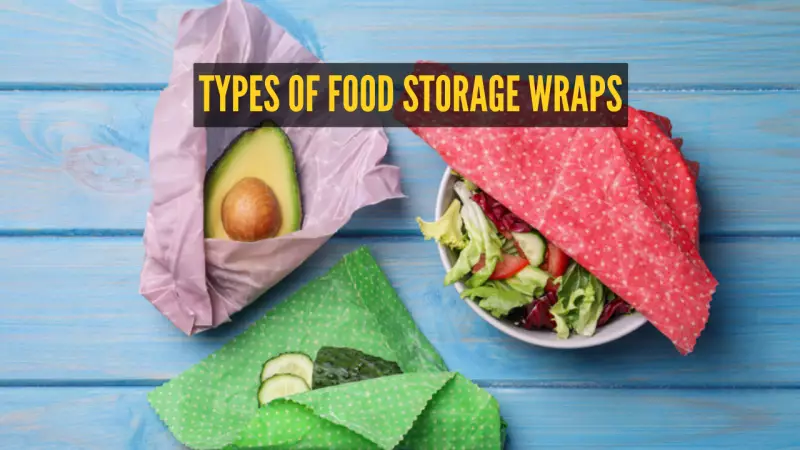
Proper food storage is a critical step in maintaining freshness, safety, and nutritional value, yet many of us rely on guesswork. Simply placing cooked or raw food in a container isn't enough. Different foods interact uniquely with their environment, making the choice of protective wrap crucial. The market offers a plethora of options, but five key varieties stand out for everyday kitchen use. Understanding their specific properties, ideal applications, and common pitfalls can transform your food preservation game and safeguard your family's health.
The Shield: Aluminum Foil
Aluminum foil, often termed 'the shield,' is a kitchen staple made from bauxite ore that is refined into alumina and then smelted. Its primary strength lies in its ability to withstand high temperatures, being safely heatable up to an impressive 1200°F. It excels at blocking light and air, which helps prevent food from drying out and stops strong odors from permeating other items in the fridge or during cooking.
However, a significant mistake to avoid is using it with acidic foods like tomatoes, citrus fruits, or vinegar-based dishes. The acid can cause a reaction, leading to aluminum leaching into the food, which poses potential health risks. It's perfect for roasting, grilling, and shielding parts of a dish from over-browning, but keep it away from acidic ingredients.

The Baker's Friend: Parchment Paper
Beloved by bakers, parchment paper is oven-safe to temperatures between 420°F and 450°F. Its non-stick, smooth surface makes it ideal for lining baking trays, ensuring cookies and pastries release easily and cleanup is a breeze. Beyond baking, its moisture-retentive quality makes it useful for steaming fish or vegetables en papillote.
A crucial safety note: while excellent for standard oven use, never use parchment paper under a broiler (grill). The intense, direct heat can cause it to burn or even catch fire. Its strength even when saturated with moisture is a key advantage, but it must be used within its defined heat limits.
The Preserver: Plastic Wrap
Designed primarily for refrigeration, plastic wrap, or cling film, is 'the preserver.' Its main function is to create an airtight seal, locking in moisture and keeping food fresh for longer. It is suitable for storing both raw and cooked foods in the fridge.
For reheating, it is imperative to use only wraps labeled as microwave-safe. The most critical mistake to avoid is using any plastic wrap in a regular oven or on a stovetop, as it will melt, potentially releasing harmful chemicals and ruining your food and appliance.
The Cooler: Wax Paper
Wax paper is a lightweight paper coated with a thin, food-grade wax layer. It resembles parchment paper but has a much lower heat tolerance. Its best use is for cold storage, preventing food from sticking to surfaces. It's excellent for wrapping cold sandwiches, separating burger patties, or lining trays for chilled dough.
The cardinal rule for wax paper is to never expose it to direct heat. Unlike parchment paper, the wax coating will melt, smoke, and can easily ignite in an oven or toaster, leading to a fire hazard. It is strictly for cold or room-temperature applications.
The Meat Specialist: Freezer Paper
Specifically designed for the freezer, freezer paper is coated with wax on only one side. It is the go-to wrap for preserving meats. The correct method is to place the waxed side directly against the meat's surface. This creates a barrier that prevents moisture loss (freezer burn) and protects the meat's texture and color.
The non-waxed, paper side is perfect for labeling with contents and dates for easy identification. Like wax paper, freezer paper must never be used in an oven or on a stovetop, as the wax coating will burn. Its purpose is singular and highly effective for long-term freezer storage of proteins.
By matching the right wrap to the right task and heeding these specific warnings, you can ensure your food stays fresher, safer, and tastier. This simple knowledge empowers you to avoid common kitchen errors and make informed choices for your household's food storage needs.