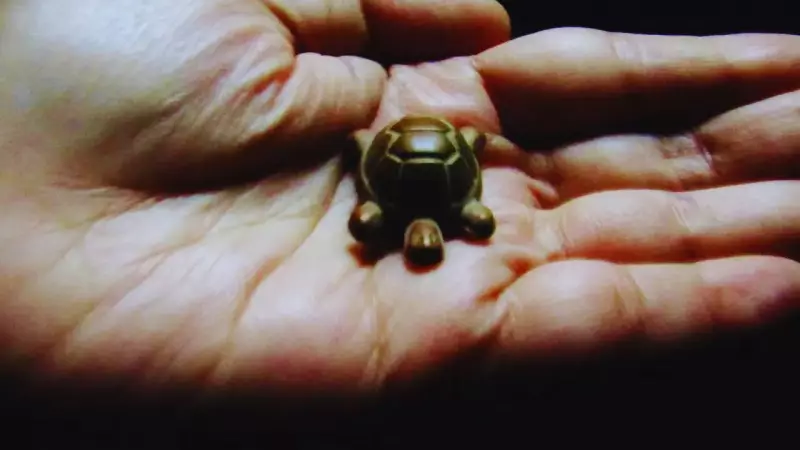
Turtles have become popular decorative items in many Indian homes. People often gift these charming creatures as they are considered auspicious. Most turtle showpieces are crafted from metal or glass, creating captivating visual appeal. But have you ever wondered if there is a specific way to position this decorative item to attract positive energy?
Understanding Feng Shui and Turtle Symbolism
Feng Shui is an ancient Chinese philosophy that dates back over three thousand years. This practice entered Indian households during the late 1990s and early 2000s. As interior design trends evolved, Feng Shui concepts gained prominence in home decor discussions. The philosophy did not replace traditional Indian systems like Vastu Shastra. Instead, it complemented them with similar principles of balance, natural elements, and energy flow.
In Feng Shui, the turtle represents protection, longevity, and gradual progress. It does not promise sudden wins or dramatic life changes. The turtle supports existing momentum in careers requiring stability, finances needing consistency, and homes seeking emotional grounding rather than urgent transformation.

Expert Insights on Turtle Placement
We consulted Heena, an astrologer and Feng Shui expert from Astrotalk, to understand proper turtle placement. She explains that turtles symbolize stability and long-term progress rather than quick changes. "The turtle connects with water energy, which influences career paths, life direction, and emotional balance," says Heena. "This makes the north direction ideal for placement since it supports professional growth and steady opportunities."
Heena emphasizes that turtles should always face inward and rest on low surfaces. This positioning helps retain peace, wealth, and positive energy within the household. Proper placement matters as much as the symbolism itself.
Directional Guidelines for Turtle Placement
The north direction remains the most recommended placement area for Feng Shui turtles. If north placement is not possible, the east direction serves as an acceptable alternative, particularly for enhancing health and family harmony. Experts advise avoiding the south direction entirely. They also recommend keeping turtles away from the center of the house, as this area influences overall energy flow and balance.
Height and orientation play crucial roles in effective placement. A common mistake involves treating the turtle as ordinary decor. People often stack it with other showpieces or tuck it under clutter, which diminishes its energetic effectiveness.
Choosing the Right Material
Material selection adds another dimension to turtle symbolism. Metal turtles typically promote workplace stability and career focus. Wooden turtles encourage health improvements, family harmony, and nurturing energy. Stone or crystal turtles support mental serenity and emotional balance.
Feng Shui principles suggest selecting materials that align with current household priorities rather than combining different materials purely for aesthetic appeal.
Room-Specific Recommendations
Many people consider placing turtles in bedrooms. Experts recommend limiting bedroom placement to a single turtle to maintain peaceful and healthy energy. Feng Shui emphasizes moderation since excessive symbolism can become overwhelming rather than beneficial.
Bathrooms and kitchens are considered inappropriate spaces for turtle placement. Fire elements and drainage systems in these areas may weaken or disperse the turtle's stabilizing influence.
Enhancing Turtle Energy
Since turtles connect with water energy, placing them near clean water elements can enhance their effect. Suitable options include small water bowls, aquariums, or symbolic water features. Heena stresses the importance of cleanliness for Feng Shui objects. "A broken, chipped, or dusty turtle loses energetic effectiveness," she explains.
Timing also influences turtle placement. Monday and Thursday mornings are ideal for introducing turtles into your home. These days are associated with calmness and clarity. Avoid introducing turtles late at night or during periods of home stress or conflict, as the objects may absorb negative emotional environments.

Aesthetic Integration Ideas
Home decor enthusiasts can creatively incorporate turtles into their living spaces. Consider placing turtles in potted plants, metal water containers, or on mantelpieces. You can create miniature water ecosystems using old fishbowls with turtle figurines, metal fish, and plastic plants. Another attractive option involves placing glass turtles in glass bowls filled with water and floating candles.
The Turtle's Modern Relevance
In today's fast-paced world that celebrates speed and visible success, the Feng Shui turtle offers a gentle counterpoint. It does not promise overnight transformation or dramatic fortune shifts. Instead, it symbolizes patience, protection, and the belief that steady progress ultimately prevails. When placed consciously in homes, the turtle represents the idea that growth often happens slowly and invisibly. Stability itself can become a meaningful form of success.