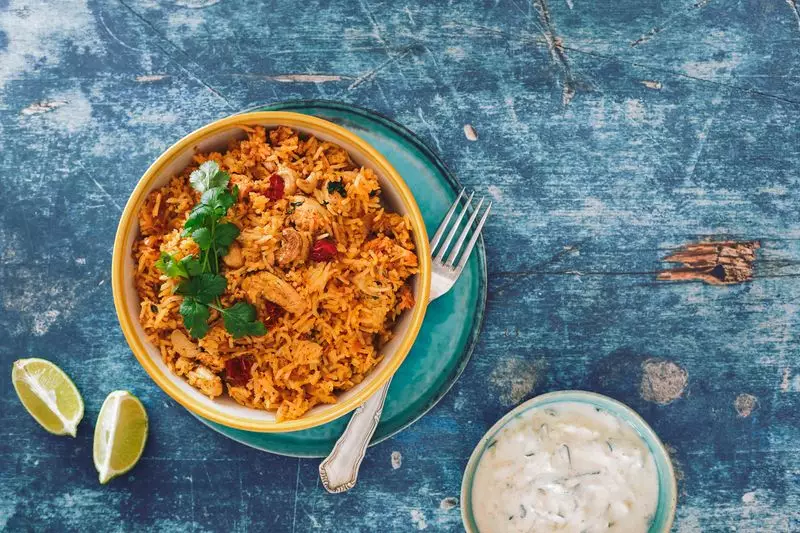
The rich culinary heritage of India's Parsi community offers a fascinating blend of Persian and Gujarati influences that has captivated food enthusiasts across the nation. This unique cuisine, developed over centuries of cultural integration, represents one of India's most distinctive gastronomic traditions that remains relatively undiscovered by mainstream food culture.
The Historical Roots of Parsi Cuisine
Parsi cuisine traces its origins to the migration of Zoroastrians from Persia to India nearly 1,300 years ago. When these Persian refugees settled primarily in Gujarat and later in Mumbai, they brought their culinary traditions with them while adapting to local ingredients and cooking techniques. This cultural fusion created what we now recognize as Parsi food - a harmonious marriage of Persian cooking methods with Gujarati flavors and spices.
The community's settlement in India around the 8th century marked the beginning of this culinary evolution. The Parsis maintained their identity while embracing local customs, resulting in a cuisine that reflects both their Persian heritage and their Indian home. This dual identity is evident in every aspect of Parsi cooking, from ingredient selection to cooking methods.

Signature Parsi Dishes You Need to Try
Among the most celebrated Parsi dishes is Dhansak, a hearty lentil and meat stew that perfectly embodies the community's culinary philosophy. Traditionally prepared on Sundays, this complex dish combines four types of lentils with meat (usually mutton or chicken) and a special Dhansak masala. The stew is served with caramelized brown rice, creating a perfect balance of flavors and textures that has made it a Parsi staple for generations.
Another iconic dish is Patra Ni Machhi, a sophisticated preparation where pomfret fish is marinated in a fresh green chutney made from coconut, coriander, mint, and green chilies. The fish is wrapped in banana leaves and steamed, resulting in a moist, flavorful delicacy that showcases the Parsi talent for combining simple ingredients into extraordinary dishes. This dish is particularly popular during weddings and special occasions.
Sali Murghi represents the Persian influence in Parsi cuisine more directly. This chicken dish is cooked with tomatoes, onions, and spices, then topped with fine potato straws (sali) that add a delightful crunch. The contrast between the tender chicken and crispy potato garnish demonstrates the Parsi love for varied textures in their food.
For those with a sweet tooth, Lagan Nu Custard is an essential Parsi dessert. Unlike Western custards, this baked treat includes nuts and sometimes fruit, making it richer and more substantial. It's traditionally served at weddings (lagan means marriage in Gujarati) but has become a beloved everyday dessert in Parsi households.
The Cultural Significance of Parsi Food Traditions
Parsi cuisine is deeply intertwined with the community's social and religious life. Food plays a central role in Parsi celebrations, from weddings to religious ceremonies like Navjote (initiation rites). The preparation and sharing of food strengthen community bonds and preserve cultural identity.
The Parsi New Year, known as Navroz, features an elaborate spread of symbolic dishes. The table includes items representing prosperity, health, and happiness, with each food carrying specific significance. This tradition highlights how deeply food is embedded in Parsi cultural consciousness.
Family recipes are treasured heirlooms in Parsi culture, passed down through generations. Cooking methods and spice blends often vary between families, with each claiming their version as the most authentic. This oral tradition has helped preserve the cuisine's integrity while allowing for individual expression.
Despite the small size of the Parsi community in India, their culinary influence has been significant. Parsi cafes and restaurants in Mumbai have introduced these unique flavors to wider audiences, creating newfound appreciation for this distinctive cuisine. Food historians and chefs alike are increasingly recognizing Parsi food as an important part of India's diverse culinary landscape.

Today, there's growing interest in preserving and promoting Parsi culinary traditions. Cooking classes, food festivals, and dedicated restaurants are helping to ensure that these unique flavors continue to delight food lovers for generations to come. The cuisine's ability to adapt while maintaining its identity offers valuable lessons in cultural preservation through food.