Electric Rice Cooker vs Traditional Cooking Methods: Key Differences Explained
In the modern kitchen, the debate between using an electric rice cooker and traditional cooking methods for preparing rice is a common one. Both approaches have their unique advantages and drawbacks, influencing factors such as convenience, energy efficiency, and taste. This article delves into the key differences to help you make an informed choice based on your needs and preferences.
Convenience and Ease of Use
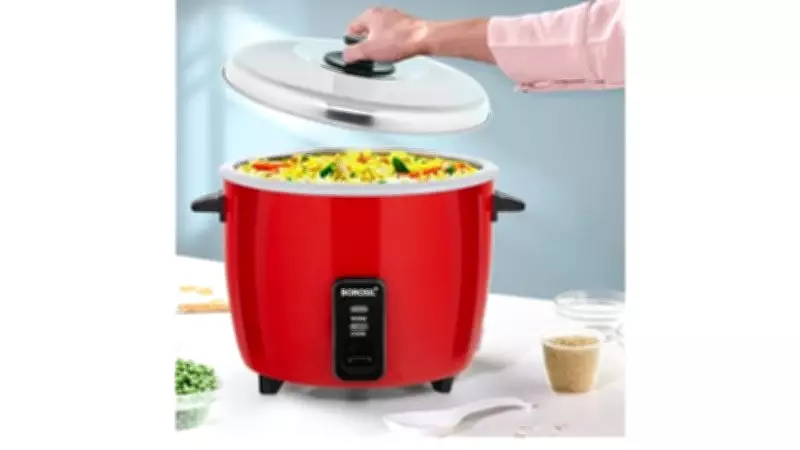
Electric rice cookers are designed for simplicity and hands-free operation. Users typically just need to add rice and water, press a button, and wait for the appliance to automatically switch to a keep-warm mode once cooking is complete. This eliminates the need for constant monitoring, making it ideal for busy individuals or those who multitask in the kitchen.
In contrast, traditional cooking methods, such as using a pot on a stovetop, require more attention. Cooks must monitor the heat, stir occasionally to prevent sticking, and time the process carefully to avoid overcooking or burning. This can be time-consuming and may demand more skill, especially for beginners.

Energy Efficiency and Cost
Electric rice cookers are generally more energy-efficient than traditional stovetop cooking. They use insulated designs and precise temperature controls to minimize heat loss, often consuming less electricity over time. Many models also feature energy-saving modes, which can reduce long-term utility bills.
Traditional methods, depending on the heat source (e.g., gas or electric stoves), may be less efficient due to heat dissipation and the need for higher temperatures. However, in regions with low electricity costs or where gas is cheaper, traditional cooking might be more economical. Initial costs also differ: electric rice cookers involve an upfront investment, while traditional pots are usually more affordable.
Taste and Texture of Rice
The taste and texture of rice can vary significantly between methods. Electric rice cookers often produce consistently fluffy and evenly cooked rice, thanks to automated settings that maintain optimal moisture levels. Some high-end models even offer specialized functions for different rice types, enhancing flavor.
Traditional cooking allows for more control over the process, which can lead to customized textures, such as slightly crispy bottoms or varied firmness. However, this requires experience to achieve perfect results consistently. Some purists argue that traditional methods impart a richer, more authentic taste, especially when using clay pots or open flames.
Safety and Maintenance
Electric rice cookers come with built-in safety features, such as automatic shut-off and heat-resistant exteriors, reducing the risk of accidents like burns or fires. They are also easy to clean, with non-stick inner pots that often detach for washing.
Traditional cooking poses higher safety risks, as open flames or hot stovetops can lead to burns if not handled carefully. Cleaning may be more labor-intensive, especially if rice sticks to the pot. Regular maintenance, like seasoning cast iron pots, adds to the effort.
Versatility and Additional Features
Modern electric rice cookers often include versatile functions beyond rice cooking, such as steaming vegetables, making soups, or even baking cakes. This multifunctionality can save space and simplify meal preparation.
Traditional methods are inherently versatile, allowing cooks to use the same pot for various dishes, but they lack automated features. The flexibility depends on the cook's skill and the equipment available.
Conclusion
Choosing between an electric rice cooker and traditional cooking methods depends on individual priorities. Electric rice cookers offer convenience, energy efficiency, and consistent results, making them suitable for modern, fast-paced lifestyles. Traditional methods provide greater control, potential cost savings, and a hands-on cooking experience that some may prefer. By understanding these key differences, you can select the approach that best aligns with your culinary goals and daily routine.