Dubai Tourist's Rented Lamborghini Stunt Goes Viral, Sparks Global Safety Debate
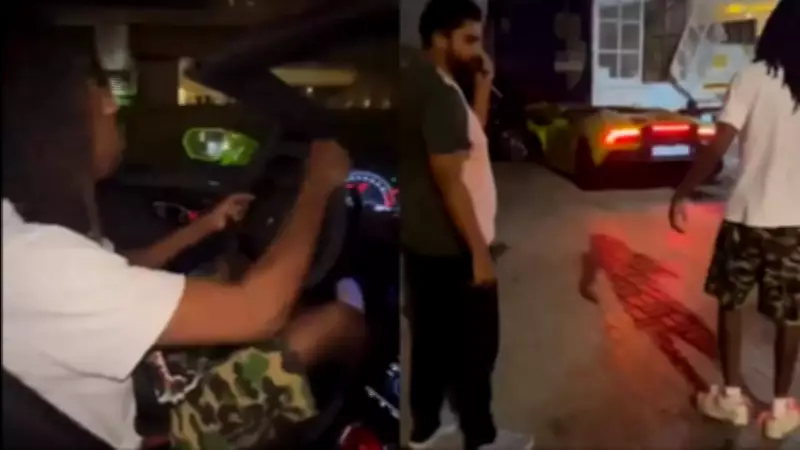
A viral video clip shared on February 15, 2026 by the satirical social media account Clown World has captured worldwide attention. The footage shows a tourist in Dubai jumping into a rented Lamborghini, flooring the accelerator, and losing control within mere seconds. This incident transformed what was intended as a luxury display into an instant viral moment, highlighting the dangers of performative driving.
From Luxury Flex to Smashed Front End in Seconds
The video was originally posted on X (formerly Twitter) with a caption reading, "Tourist in Dubai hops in a rented Lamborghini hits the gas and loses it within seconds From luxury flex to smashed front end real quick (sic)." The short clip rapidly circulated across X, Reddit, and various other social media platforms. This dissemination ignited a fresh wave of discussions about the culture of social-media-fueled stunts, the realities of supercar rentals in Dubai, and the city's stringent enforcement of road safety laws.
It serves as a stark reminder that in a location famous for fast cars and flashy lifestyles, "flexing for clicks" on the internet can lead to expensive and dangerous real-world consequences. The incident underscores the collision between online fame-seeking and physical safety.

Dubai's Supercar Culture and Reckless Driving Concerns
Dubai has cultivated a global reputation as a playground for exotic vehicles, ranging from Ferraris and high-end BMWs to Lamborghinis and bespoke supercars. These automobiles are frequently spotted cruising iconic areas like Sheikh Zayed Road, Downtown, and the city's extensive highway network. While this culture of automotive spectacle is visually captivating, it has simultaneously sparked significant concerns regarding reckless driving and public safety.
In a notable incident from January 2026, Dubai Police seized a supercar and imposed a fine of AED 10,000 on its driver after a viral stunt video depicting dangerous maneuvers and public disturbance spread widely online. Authorities emphasized that "roads are not a stage for stunts or risky experiments," highlighting that reckless driving endangers both the driver and others. Similarly, other social media videos and community discussions have spotlighted tourists and drivers misusing rented supercars, often underestimating the immense power and precise handling required for high-performance vehicles on public roads.
In numerous instances, rapid acceleration attempts and fast takes, while thrilling to film, culminate in loss of control or collisions, particularly within busy urban environments. This pattern raises alarms about the intersection of tourism, luxury rentals, and inadequate driving skills.
Dubai's Law Enforcement and Public Safety Initiatives
Dubai authorities have unequivocally demonstrated their determination to clamp down on dangerous driving behaviors, especially those captured and disseminated online. Beyond fines and vehicle seizures, police have actively encouraged residents and visitors to utilize the Police Eye application to report violations. This initiative reinforces community involvement in discouraging hazardous driving and promotes collective responsibility for road safety.
These measures are implemented within a broader context of rapid traffic monitoring and comprehensive public safety campaigns. Dubai regularly employs advanced traffic surveillance systems to identify violations. Social media videos, while entertaining to some audiences, can serve as crucial evidence that assists law enforcement in tracking offenders. Critics of the viral Lamborghini clip argue that such stunts not only risk lives but also reflect a growing trend where internet fame trumps safety, a behavior that police have publicly denounced as both disruptive and perilous.

Social Media Reactions and "Clout Culture" Analysis
The Clown World tweet attracted thousands of reactions within hours, with users providing commentary from multiple perspectives. Some viewers mocked the "luxury fail," transforming it into a meme about "rich tourists with no driving skills." Others expressed concern that Dubai's image as a premier global destination is being tarnished by thrill-seeking content creators who treat supercars merely as props for viral content.
A segment of commenters pointed out that renting a Lamborghini, often perceived as a bucket-list luxury experience, carries substantial responsibilities, particularly when operating powerful vehicles at high speeds. Online communities such as Reddit's r/DubaiPetrolHeads have long debated driver behavior in the city, with many local residents voicing frustration at novice supercar drivers who showcase their vehicles without comprehending essential safety protocols.
In previous discussions, forum users have called out drivers for revving engines at traffic lights or attempting stunts with disregard for other road users. This specific viral video has resonated deeply because it amalgamates several contemporary cultural themes. In an era where short clips can achieve global virality instantly, stunts involving supercars, especially in luxury hubs like Dubai, possess high shareability. A single clip can generate millions of views, evolve into memes, and spawn extensive debates on safety, privilege, and online attention-seeking.
Legal Implications: Traffic Rules, Rental Agreements, and Tourist Liability
Tourists renting high-end vehicles in the United Arab Emirates must remain acutely aware of contractual and legal obligations. Historical cases illustrate that renters of supercars like Lamborghinis and Rolls-Royces have faced significant fines and liabilities. For instance, a luxury car renter was fined after returning a damaged vehicle with accumulated traffic violations, demonstrating that rental contracts and associated penalties are strictly enforced.
In past incidents, tourists have accumulated tens of thousands of dirhams in speeding fines, sometimes resulting in prolonged stays or legal disputes before penalties are fully settled. These examples underscore that rental supercars are not playground toys; they are powerful machines governed by the same laws as any vehicle on public roads, often with heightened scrutiny if operated irresponsibly.
The viral video of the tourist losing control of a rented Lamborghini transcends being merely a humorous or shocking clip. It represents a complex collision of internet culture, luxury branding, public safety policy, and global perceptions of a city renowned for its bold and dynamic image.
Conclusion: A Cautionary Tale for the Digital Age
Dubai's authorities have consistently shown zero tolerance for reckless driving, even when such behavior becomes fodder for social media. Fines, vehicle seizures, and direct police involvement serve as tangible deterrents. These viral videos feed into both the public's fascination with high-end lifestyles and criticism of performative tourism behaviors that prioritize viral content over responsible conduct.
Visitors eager to capture high-octane moments must carefully balance thrills with legality and caution, particularly in destinations with stringent traffic enforcement like Dubai. Ultimately, what began as a clip designed to entertain or perhaps satirize luxury culture serves as a potent cautionary tale. No matter how flashy the car, there is no substitute for responsible driving and respect for the rules of the road. This incident reinforces that real-world consequences inevitably follow online actions, especially when public safety is compromised.