The Hidden Danger of Dry Cleaning Your Glass Cooktop
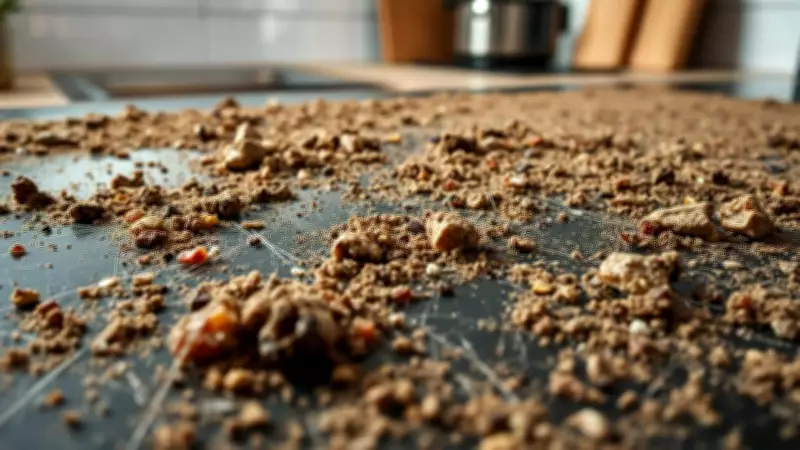
That sleek, polished glass cooktop radiates an aura of modern luxury in any kitchen, boasting impressive resistance to spills and stains. Yet, a persistent mystery haunts many homeowners: despite careful cleaning, fine scratches resembling delicate spider webs inevitably reappear on the surface. While these marks are often blamed on heavy pots and pans, the true culprits are frequently the cleaning tools themselves.
How Dry Cleaning Abrades Your Cooktop
The problem originates at the very first step of the cleaning process. Using a dry brush or rag to scrub away food residues might seem efficient, requiring minimal effort. However, from a materials science perspective, this action is essentially sanding down the expensive glass surface from the outside. Friction, physics, and specialized coatings are at play here.
Although glass appears robust, modern glass cooktops are engineered with extremely thin protective layers. These coatings serve dual purposes: reducing glare and repelling dirt. Unfortunately, they possess limited resistance to mechanical energy. A pivotal study titled Soiling, Cleaning, and Abrasion: The Results of the 5-Year Photovoltaic Glass Coating Field Study meticulously analyzes the impact of cleaning processes on such coatings.

The research conclusively identifies dry brushing as one of the most destructive habits for glass coatings. Dry brushes exhibited the highest "abrasion factors," meaning they physically ploughed through protective layers far more rapidly than any alternative method. While the study focused on outdoor photovoltaic glass, the underlying mechanical principles are identical for kitchen glass cooktops.
Every time a dry bristle drags a microscopic grain of salt, sugar, or dust across the surface, it acts like a miniature diamond-tipped tool, carving a tiny, permanent groove into the coating. Over time, these microscopic scratches accumulate and become visible.
The Progression from Minor Marks to Major Problems
The damage begins subtly with minor markings that gradually deepen and spread across the glass surface. Once the protective coating is compromised, the underlying glass becomes more susceptible to attracting and trapping dirt. Grime and oils accumulate within these microscopic cracks, creating stubborn stains that are increasingly difficult to remove, defeating the cooktop's easy-clean promise.
Environmental factors exacerbate the issue. Household dust and mineral deposits from hard water settle on the glass even when not cooking. Wiping this away with a dry paper towel essentially rubs abrasive grit directly into the surface. Further research published in Solar Energy Materials and Solar Cells emphasizes that even organic residues can harden and create significant friction points during dry cleaning.
From Abrasion to Preservation: The Wet Cleaning Solution
The combination of proper lubrication and appropriate tools is the key to preserving your stovetop's beauty and functionality for years. Experts universally recommend abandoning dry methods in favor of a wet cleaning approach.
The aforementioned research highlights the wet technique as optimal. Applying a moistened sponge or microfiber cloth uses water as a lubricant, allowing debris to be gently lifted and removed without scratching the glass. The study specifically notes that a wet sponge followed by a squeegee provides exceptional results.
To ensure your cooktop remains pristine, adopt the "soak-and-slide" technique:
- Ditch rough brushes and abrasive pads immediately.
- Place a warm, wet microfiber cloth over stubborn stains to loosen them.
- Once debris is softened, gently wipe the surface with a soft sponge.
- Finish by drying with a clean squeegee or a dry microfiber towel to prevent water spots.
This simple shift from dry to wet tools is a minor change in routine that guarantees years of spotless cooking surfaces and maintains the luxurious appearance of your kitchen investment. Preserving the protective coating is not just about aesthetics; it is about maintaining the cooktop's performance and longevity.