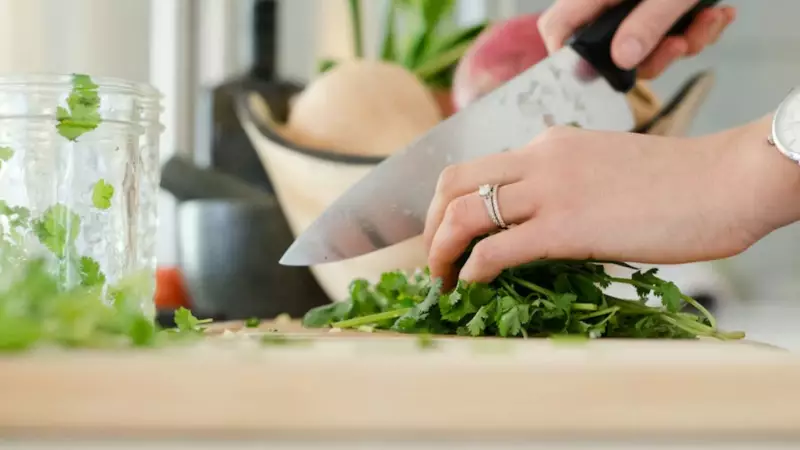
Have you ever felt your cooking routine has become predictable? Chefs and home cooks are constantly seeking new ways to unlock flavor and texture, sometimes venturing into the realm of the unconventional. Beyond the standard sautéing and baking lies a world of bizarre yet brilliant culinary techniques that promise to revolutionize your kitchen experience. These methods, drawn from global traditions and modern innovation, are not just gimmicks—they are proven strategies to achieve results that standard practices cannot match.
From Searing on Salt to Poaching in Ice: The Techniques Unveiled
Let's dive into six of the most intriguing and lesser-known cooking methods that deserve a spot in your culinary arsenal. Each one offers a unique approach to heat, seasoning, or chemical reaction, transforming ordinary ingredients into extraordinary dishes.
The first technique is Salt Slab Cooking. Imagine grilling or searing your food directly on a slab of Himalayan salt. This isn't just for presentation. The salt block heats up evenly and imparts a subtle, nuanced salinity to everything from scallops and shrimp to vegetables and even slices of fruit. It creates a perfectly seared crust while seasoning the food from the outside in, eliminating the need for additional salt during cooking.

Next up is the baffling method of Ice Water Poaching. Contrary to all intuition, you can poach delicate proteins like fish or eggs by starting them in ice-cold water and then gently bringing the pot to a simmer. This ultra-gentle temperature increase ensures the food cooks evenly throughout without the outer layers becoming tough or rubbery before the inside is done. The result is an unbelievably tender and moist texture.
Harnessing Steam and Fat in Unconventional Ways
Moving beyond water and salt, other elements like steam and fat can be manipulated in surprising ways. Steam-Baking, often done in a closed Dutch oven, is a powerhouse for bread and certain roasts. By trapping steam around the food, you achieve a crispy, glossy crust on breads and incredibly juicy meat with perfect skin. The enclosed environment mimics professional steam-injected ovens, making it a game-changer for home bakers.
Then there's the reverse-sear method for steaks and thick cuts of meat. Instead of searing first and finishing in the oven, this technique flips the script. You slowly cook the meat in a low oven until it reaches the desired internal temperature, and then finish it with a blistering hot sear in a pan or on a grill for just a minute per side. This ensures edge-to-edge perfect doneness without a gray, overcooked band, and creates an exceptional crust.
Another fascinating approach is Oil-Poaching. Submerging food in warm, not boiling, oil (like olive or grapeseed) is a gentle cooking method that yields incredibly succulent results. It's ideal for fish, chicken, or even garlic cloves. The oil conducts heat evenly and gently, cooking the food through without drying it out, while also infusing it with the oil's flavor.
The Science of Cold and Community Cooking
Some techniques rely on patience and science rather than high heat. Freezer Jam Making defies the traditional stovetop canning process. By mashing fresh fruit with sugar and pectin and letting it set in the refrigerator or freezer, you preserve the bright, fresh flavor and color of the fruit. It's a quicker, easier method that captures the essence of seasonal fruit without cooking it into submission.
While not a "technique" in the manual sense, the concept of Community Pot Cooking represents a beautiful, social approach to food. It involves preparing large, shared meals where everyone contributes, often using whatever ingredients are available. It's a testament to resourcefulness and the communal spirit of cooking, turning meal preparation into a bonding experience.

Embracing these weird cooking techniques can break you out of a culinary rut and expand your skills. They encourage a deeper understanding of how heat, moisture, and ingredients interact. Whether it's the precise control of the reverse-sear, the gentle infusion of oil-poaching, or the dramatic presentation of salt slab cooking, each method offers a tangible benefit. The key is to experiment. Start with one technique that intrigues you—perhaps ice water poaching for the perfect fillet of fish or the reverse-sear for a spectacular Sunday roast. You might just discover your new favorite way to cook, impressing both yourself and your guests with results that are anything but ordinary.