Khichuri, Gota Sheddho, and Hilsa: The Culinary Rituals That Define Bengali Saraswati Pujo
Saraswati Pujo, a revered festival in Bengal, beautifully intertwines spiritual devotion with a rich culinary heritage, creating a celebration that is as much about food as it is about worship. This festival, dedicated to the Goddess of Learning, showcases a fascinating blend of traditions that vary across regions, offering a glimpse into the diverse cultural tapestry of Bengal.
The Spiritual and Educational Essence of the Festival
Traditionally, Saraswati Pujo is marked by an open-house atmosphere where families and communities come together to honor the goddess. The idol of Saraswati, depicted with a veena in one hand and a book in the other, is adorned in a white sari, while devotees dress in yellow or basanti attire. Large platters of fruits like apples, sweet potatoes, sugarcane, bananas, dates, and narkel kul are offered as prasad, symbolizing abundance and blessings. A unique custom involves children placing their books beside the idol for the day, as studying is avoided, emphasizing the focus on learning and reverence.
The Vegetarian Feast: A Highlight of the Celebration
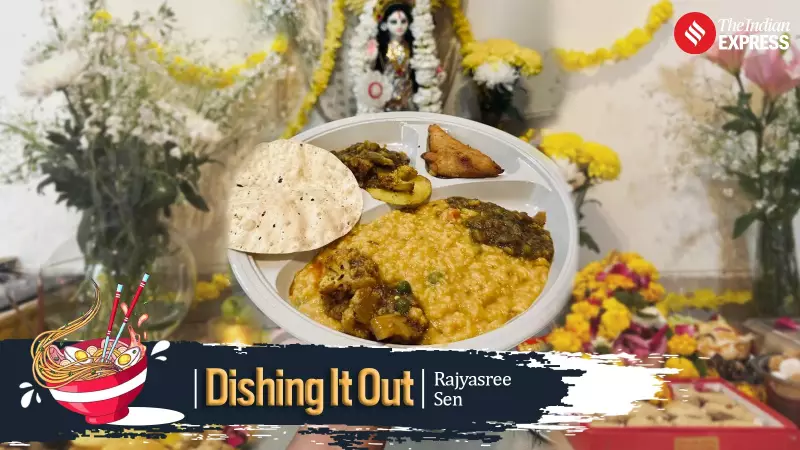
No Saraswati Pujo is complete without the bhog'er khichuri, a dish that stands at the heart of the vegetarian feast. This rice-and-dal preparation, enriched with turmeric, spices, and ghee, has a texture reminiscent of risotto and is served with an array of accompaniments. The feast typically includes paanch bhaja, featuring five types of fried vegetables such as beguni (brinjal fry), potato slices, and parwal. Labra, a mixed vegetable dish lightly flavored with panch phoron (Bengali five-spice), adds depth to the meal. The khichuri is generously drizzled with hot ghee and complemented by Topa kuler chutney, papad, and payesh, creating a harmonious blend of flavors.

Topa kuler chutney, made from ripe jujube cooked with jaggery, tomatoes, five-spice, and chili powder, is a delicacy unique to Bengal, often prepared in large batches during summer and enjoyed year-round. This chutney highlights the regional specificity of the festival's cuisine, setting it apart from North Indian traditions.
Non-Vegetarian Traditions: The Hilsa Ritual
In many Bengali homes, especially those from East Bengal (Baangal families), Saraswati Pujo also incorporates non-vegetarian elements. The day marks the first preparation of ilish or hilsa fish after Dashami, with families bringing home a pair of fish and sometimes performing a symbolic marriage ritual. The fish is carefully cut to preserve its scales, which are wrapped in banana leaves and buried, symbolizing respect and tradition. Ilish maacher jhol, a curry made with turmeric, brinjal, and nigella seeds, is a staple dish that adds a savory dimension to the feast, reflecting the culinary diversity within Bengali culture.
Gota Sheddho: A Wholesome Winter Stew
For West Bengal or Ghoti families, the lunch feast remains vegetarian, featuring gota sheddho, a stew made from whole winter vegetables like brinjal, peas, sweet potato, baby spinach, hyacinth beans, potatoes, and black urad or green moong dal. Cooked slowly with just salt and no spices, this dish is kept whole to honor its name—gota meaning whole and sheddho meaning boil or stew. It is traditionally served the next day on Sheetal Shasthi, accompanied by paanta bhaat (overnight soaked rice) and a drizzle of mustard oil, and often shared with neighbors and friends, fostering community bonds.
Cultural Significance and Broader Impact
Saraswati Pujo encapsulates three core aspects of Bengali culture: a strong emphasis on education, the worship of goddesses, and the celebration of both vegetarian and non-vegetarian foods during religious occasions. This festival not only preserves culinary rituals but also promotes cultural exchange, hoping to inspire broader appreciation across India. As traditions like these continue to evolve, they remind us of the deep connections between food, faith, and community in Bengali life.