

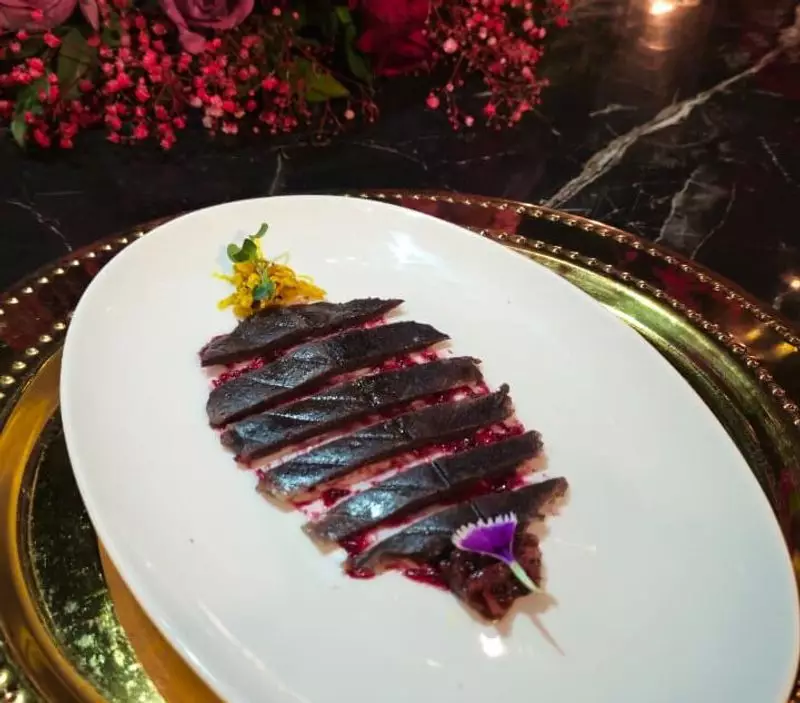
Indian food is far more than a mere collection of spices and recipes. It is a vibrant, living tapestry woven from the threads of shared history, migration, and adaptation. The unique character of India's culinary landscape is not found in any single cookbook but is preserved in the collective memory of its people—a powerful force that shapes what we eat and how we cook.
The Living Archive of Shared Experience
Unlike Western traditions often codified in formal texts, Indian culinary knowledge has historically flowed through oral traditions and lived practice. Recipes and techniques are passed down through generations within families and communities, evolving subtly with each retelling and recreation. This process transforms cuisine into a dynamic, communal archive. The collective memory acts as a filter, retaining what is cherished—like the perfect balance of spices in a family's biryani—while allowing for innovation based on new ingredients and influences.
This is evident in the sheer diversity of regional cuisines. The robust, wheat-based dishes of Punjab tell a story of agrarian life, while the intricate, coconut-laden flavors of Kerala speak of its lush coastline and ancient trade links. Each dish carries the imprint of its environment and the historical experiences of the people who created it.

Migration and the Melting Pot of Flavors
India's long history of movement, both voluntary and forced, has been a primary catalyst for culinary evolution. The article highlights how partition in 1947 triggered one of the most significant culinary exchanges. As millions crossed the new borders between India and Pakistan, they carried their food memories with them. The famed Amritsari kulcha and chana, for instance, are believed to have traveled with refugees, finding a new and enduring home in their adopted city.
Similarly, the Bangladeshi community in Kolkata infused the city's food scene with their distinct styles of preparing fish and rice dishes. The East Indian community in Mumbai developed a unique blend of local Koli cuisine with Portuguese influences. These are not mere additions to a menu; they are edible landmarks of historical journeys, seamlessly woven into the region's gastronomic identity through shared memory and practice.
Adaptation: The Key to Culinary Longevity
The true genius of India's food culture lies in its remarkable ability to adapt. Collective memory is not a rigid preserver but a creative adapter. When new ingredients arrived—whether chilies from the Portuguese or potatoes from the Dutch—they were not simply adopted but were Indianized, integrated into existing spice palettes and cooking methods to create something entirely new.
This adaptive spirit continues today. The global popularity of the chicken tikka masala, often cited as Britain's national dish, is a testament to this ongoing process of reinvention. It symbolizes how a culinary idea can travel, transform in a new context, and become a global phenomenon, all while retaining a connection to its roots.
Cuisine as Cultural Identity and Continuity
Ultimately, food shaped by collective memory serves as a powerful anchor for cultural identity. In a rapidly modernizing world, the taste of a familiar dish can evoke a profound sense of place and belonging. It connects individuals to their ancestors, their community, and their land. The rituals around food—from festival sweets to daily meal preparations—reinforce social bonds and ensure the transmission of heritage.
The article underscores that this culinary heritage is fragile. As urbanization accelerates and lifestyles change, there is a risk that this rich, orally-transmitted knowledge could fade. The challenge and opportunity lie in finding ways to document and celebrate these living traditions while allowing them the space to evolve naturally, as they always have.

In conclusion, Indian cuisine is a profound expression of collective memory. It is a history book written in flavor, a map of migration drawn with recipes, and a living dialogue between the past and the present. Every meal is an opportunity to partake in this ongoing story, savoring the legacy of shared experience that makes India's food culture truly unforgettable.





