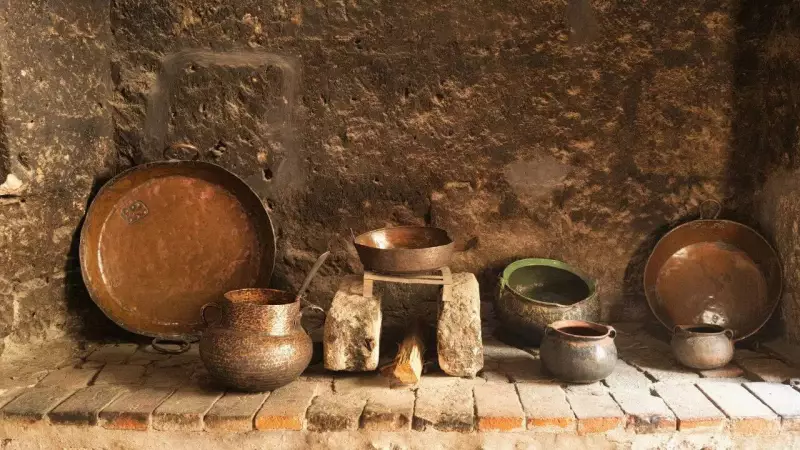
In modern kitchens, people often rely on detergents and chemical powders to clean their utensils. These products work well but come with drawbacks. They can be harsh on the skin and sometimes leave unwanted residues on dishes.
Rediscovering Traditional Wisdom
Long before commercial cleaners existed, households across India, especially in villages, used natural methods to keep their utensils sparkling. One of the most impressive techniques combines stove ash with paddy husks. This method is completely chemical-free, environmentally friendly, and safe for health.
Using this simple trick, you can transform dirty and tarnished utensils, particularly brass or copper items, into shining pieces. The process gives them a polished finish that rivals modern products.

The Science Behind Ash as a Natural Cleaner
Ash possesses natural alkaline properties that effectively remove grease, burnt food, and other residues without damaging metal surfaces. Its slightly gritty texture helps scrub off tough spots gently while polishing the utensil.
Unlike modern chemical cleaners, ash is non-toxic and leaves no harmful residues. It is safe for sensitive skin and does not cause irritation. This unique blend of chemical and physical cleaning properties makes ash a remarkably effective tool.
This age-old cleaning tip demonstrates how natural methods can compete with commercial agents in terms of effectiveness. By using ash and paddy husks, you can clean even the dirtiest utensils while saving money. It is a perfect example of ancient wisdom remaining relevant in contemporary settings.
How to Clean Utensils Naturally Using Ash Paste and Paddy Husks
First, collect cooled ash from a clay or wooden stove. Avoid using ash from burning wood or hot ash, as it may be too harsh for sensitive metals. Place the ash in a small dish and mix it with clean water to create a thick paste similar to toothpaste. This paste forms the foundation of the entire cleaning process.
Apply the paste evenly onto the surface of the utensils. Then, use soaked paddy husks to rub the paste onto the utensil in circular motions. The husks act as a natural scrubber, enhancing the paste's efficiency. This mixture works exceptionally well on utensils with burnt or oily layers.
Brass and copper utensils, which are often difficult to clean with regular agents, respond beautifully to this technique. The gentle rubbing action, combined with the paddy husks, removes dirt completely and imparts a shiny polish.
After scrubbing, rinse the utensils thoroughly with hot water. Ensure all traces of the ash paste are removed to prevent streaks or residues. Do not let the paste dry on the utensils. Finally, dry them with a cloth or allow them to air dry. This results in a glass-like finish, restoring both function and aesthetic appeal.
Special Benefits for Brass and Copper Utensils
Brass and copperware tend to develop spots and a tarnished appearance over time. Commercial detergents often struggle to clean them effectively. This natural method not only eliminates spots but also helps the metal regain its natural shine.
It is a way to make metalware more resistant to future spotting and extend its lifespan. Unlike commercial chemicals that can eventually damage metal, this technique preserves and enhances it.
Advantages of This Natural Cleaning Method
One of the greatest benefits is its effectiveness without causing skin irritation or allergic reactions. The use of ash and paddy husk avoids the harmful chemicals found in many detergents.
Another significant advantage is its contribution to sustainable living. The method recycles waste materials from the kitchen, such as stove ash and paddy husk, reducing environmental impact.

Practical Tips for Best Results
- Always use cooled ash and clean water to prepare the paste.
- Scrub gently with paddy husks instead of hard synthetic scrubbers, especially for delicate metals.
- Rinse thoroughly with hot water to remove all paste residue.
- Dry the utensils immediately to achieve optimal shine.
- Repeat the process for particularly stubborn stains or heavily tarnished cookware.
This traditional Indian kitchen hack offers a practical, eco-friendly alternative to modern cleaning products. It highlights how simple, natural ingredients can deliver impressive results while caring for both your health and the planet.