After a year where luxury ingredients like caviar and truffle took center stage, India's fine-dining scene is pivoting towards a more adventurous and deeply rooted culinary philosophy for 2026. The focus is shifting decisively towards sustainability and a profound respect for indigenous, often rare, produce. The country's leading chefs are set to draw inspiration from unique local ingredients, showcasing them through specialized techniques that emphasize restraint and cultural connection.
From Emotional Tubers to Insect Protein
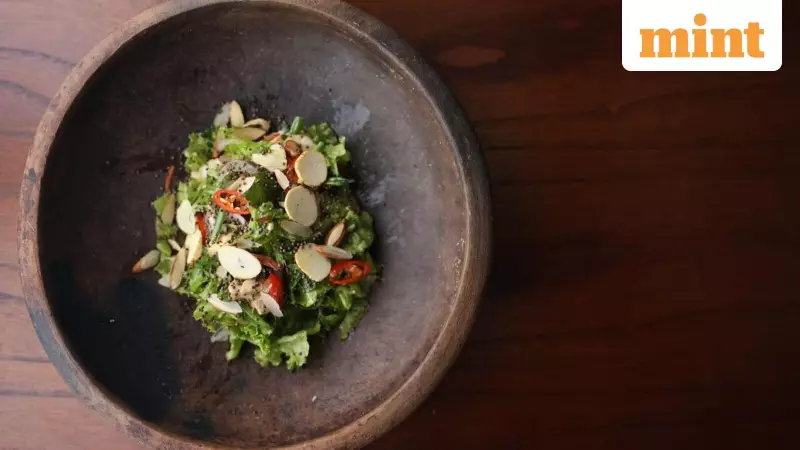
Chef Ahmedaki Laloo, founder of A'origins in Shillong, expresses immense excitement for sohphlang, a crunchy winter tuber native to the Khasi and Jaintia hills of Meghalaya. For him, it's an emotional link to his roots, evoking memories of roasting it in banana leaves with family. Having discovered its cultural resonance in Thailand and Japan, Chef Laloo plans to reinterpret sohphlang in dishes like tuber dumplings with perilla chilli oil and innovative salads.
In Delhi, Chef Radhika Khandelwal of Radish Hospitality is sparking a long-term conversation on sustainability with insect protein. Moving beyond shock value, she highlights its historical consumption in India, from silkworms in the North-East to red ants in central tribal belts. Citing its incredible efficiency requiring less land and water, she intends to use it subtly in powders, flours, and broths for added nutrition and depth, focusing on quiet integration.

Celebrating Slow Food and Seasonal Magic
Chef Saurabh Udinia, Culinary Director at Hom in Mumbai, is passionate about bhatt or black soybean, an ingredient he discovered in Kumaon, Uttarakhand, and Nepal. This earthy, nutty, and warming bean represents a food culture shaped by terrain, not trends. It demands slow cooking and patience. For 2026, he aims to explore its versatility in dishes like whole bhatt slow-cooked with goat meat, coarse pastes with regional herbs, or simply smoked fresh beans.
Meanwhile, Chef Mathew Varghese of Kari Apla in Mumbai is captivated by the brief seasonal appearance of green garlic (hirva lasun/leela lasan) from Maharashtra and Gujarat. This tender, pre-bulb garlic offers fragrance without aggression and a fresh, grassy sweetness. He plans to make it the main character in dishes—from a softer green garlic thecha to vegetable preparations where it's the star, paired with potatoes or methi. He also aims to preserve its essence in infused oils for use beyond its season.
Hyperlocal Greens and Oceanic Umami
In Mangaluru, Chef Shriya Shetty of Buco Artisanal Bakery is turning her fascination with leafy greens towards padpe or red amaranth. A common home ingredient rarely seen on menus, she plans to incorporate it into her sandwich lineup as a hyperlocal alternative to arugula or spinach. She praises its great texture, noting that treating the roots, stems, and leaves differently can yield a unique range of flavours and textures to play with.
Pune-based Chef Gayatri Desai of Ground Up is exploring the umami potential of seaweed or sea lettuce from the Konkan coast, specifically Sindhudurg. Fascinated by how its flavour varies with seasons and ecosystems, she has been fermenting a batch to use as a flavour punch. She sees it as perfect for soups, salads, or pastas, offering a taste of the ocean for those who don't eat fish.
The collective vision of these chefs marks a significant turn in Indian gastronomy. The 2026 culinary landscape will be defined by a thoughtful return to indigenous roots, a commitment to sustainable sourcing, and innovative techniques that honour the ingredient's inherent character. This movement goes beyond mere trend-setting, aiming to reshape the narrative of fine dining towards greater cultural authenticity and environmental responsibility.