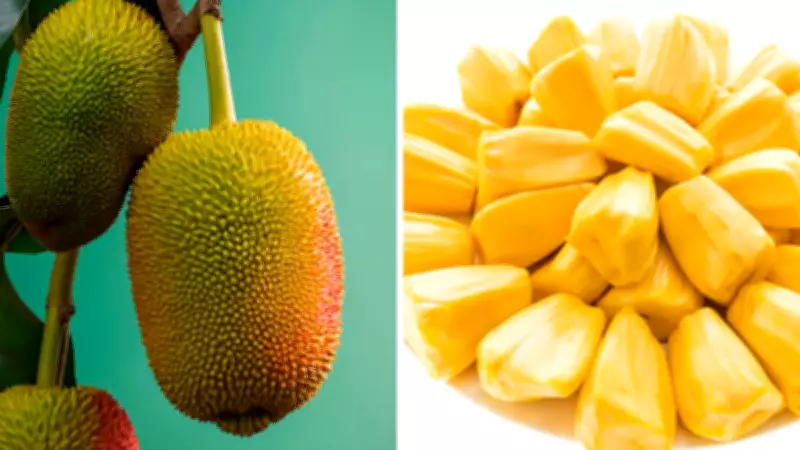
Master the Art of Cutting Kathal with Chef Kunal Kapur's Simple Method
Kathal, commonly known as jackfruit, is a versatile and nutritious fruit widely used in Indian cuisine, especially in vegetarian dishes. However, its large size, sticky sap, and tough exterior often make it intimidating to prepare at home. To demystify this process, renowned chef Kunal Kapur has shared a detailed, easy-to-follow guide for cutting kathal efficiently and cleanly.
Essential Tools and Preparation Steps
Before diving into the cutting process, Chef Kunal emphasizes the importance of proper preparation. He recommends gathering the necessary tools: a sharp chef's knife, a cutting board, a bowl of water, and some cooking oil. Applying a thin layer of oil on your hands and the knife blade is crucial, as it prevents the sticky latex sap from adhering to your skin and utensils, making the task much less messy.
Additionally, Chef Kunal advises selecting a ripe but firm kathal for cooking purposes. The fruit should yield slightly to pressure and have a sweet aroma. Washing the exterior thoroughly under running water is also essential to remove any dirt or contaminants before cutting.

Step-by-Step Cutting Technique
Chef Kunal's method breaks down the process into manageable steps to ensure safety and precision. First, place the kathal on a stable cutting surface. Using the oiled knife, cut the fruit in half lengthwise. This initial cut exposes the inner core and the edible bulbs surrounded by fibrous material.
Next, remove the central core by cutting around it carefully. Chef Kunal notes that this part is inedible and should be discarded. Once the core is out, you can easily access the individual bulbs. Gently separate the bulbs from the fibrous strands using your hands or the knife, taking care not to crush them.
For recipes requiring smaller pieces, Chef Kunal suggests further cutting the bulbs into cubes or slices as needed. Throughout the process, dipping your hands and knife in the bowl of water occasionally can help reduce stickiness and keep things clean.
Tips for Handling and Storage
Beyond cutting, Chef Kunal offers valuable tips for handling and storing kathal. To minimize waste, he recommends using all parts of the fruit: the seeds can be boiled or roasted for snacks, while the fibrous material can be used in composting or as animal feed in some regions.
For storage, place the cut kathal pieces in an airtight container and refrigerate them for up to three days. If you plan to use it later, blanching the pieces briefly in boiling water before freezing can help preserve their texture and flavor for several months.
Why This Guide Matters for Home Cooks
Chef Kunal Kapur's guide is particularly beneficial for home cooks looking to incorporate more plant-based ingredients into their meals. Kathal is rich in fiber, vitamins, and minerals, making it a healthy alternative to meat in dishes like curries, stir-fries, and kebabs. By mastering the cutting technique, individuals can confidently experiment with this ingredient, reducing reliance on pre-packaged or processed options.
Moreover, this method promotes sustainability by encouraging the use of whole fruits and reducing food waste. Chef Kunal's approachable style and clear instructions make it accessible even for beginners, empowering more people to enjoy the culinary delights of kathal without the hassle.
In summary, with Chef Kunal Kapur's expert guidance, cutting kathal becomes a straightforward task that opens up a world of delicious and nutritious cooking possibilities. By following these steps, you can handle this formidable fruit with ease and creativity in your own kitchen.