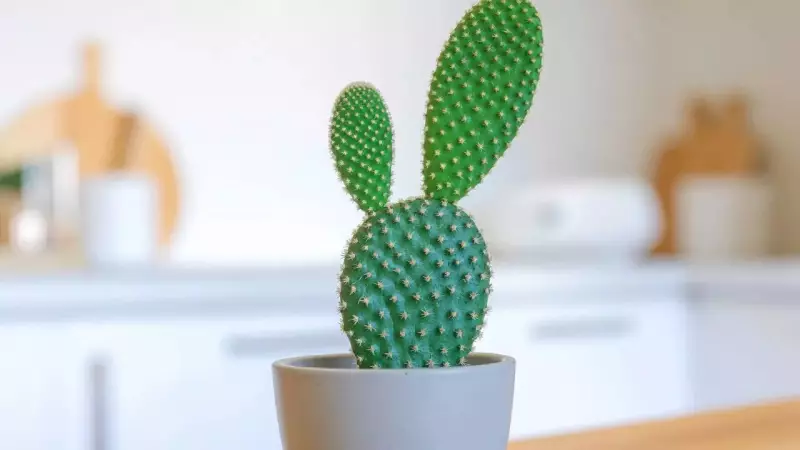
Bunny Ear Cactus: The Charming Succulent That Demands Careful Handling
If you're searching for a succulent that combines visual appeal with personality, the Bunny Ear Cactus stands out as an excellent choice for both indoor and outdoor gardens. True to its name, this plant features distinctive rounded, flat pads that remarkably resemble fluffy bunny ears, instantly adding whimsical charm to any plant collection.
Understanding the Bunny Ear Cactus's Unique Characteristics
While this cactus boasts an undeniably cute appearance that captivates plant enthusiasts, it comes with a hidden challenge: tiny, sharp glochids that require careful handling. These microscopic spines can easily embed in skin, causing irritation that lasts for days. With proper attention and maintenance, however, this unique plant can thrive for many years, rewarding growers with its distinctive aesthetic.
Essential Care Guidelines for Healthy Bunny Ear Cactus Growth
Providing Optimal Lighting Conditions
Sunlight represents one of the most critical factors for Bunny Ear Cactus health. This desert native thrives under bright, direct light and ideally should receive six to eight hours of daily exposure. For indoor cultivation, position the plant near south- or west-facing windows where natural sunlight is abundant. Outdoor specimens perform best in completely unshaded, sunny locations throughout the day. Adequate lighting ensures the cactus develops firm, plump pads rather than becoming elongated and weak.

Selecting the Right Soil Mix
Mimicking its natural desert habitat, the Bunny Ear Cactus requires well-draining soil that dries quickly after watering. Specialized cactus mixes with high sand content provide ideal growing conditions. Alternatively, gardeners can create their own blend using components that promote excellent drainage. Avoid rich, moisture-retentive garden soils, as excessive water retention around roots frequently leads to rot and plant decline.
Mastering the Watering Routine
Overwatering represents the most common mistake in Bunny Ear Cactus care. As drought-tolerant plants, they prefer thorough drying between waterings. During spring and summer's active growth months, watering every two to three weeks typically suffices. Winter demands even less moisture—water only when soil becomes completely dry. This seasonal adjustment prevents root issues while supporting healthy dormancy.
Maintaining Appropriate Temperature Conditions
This cactus favors warm, arid environments and grows optimally when temperatures remain above 21°C (70°F). While it tolerates summer heat exceptionally well, frost and cold exposure prove detrimental. Gardeners in colder climates should consider container cultivation, allowing for indoor relocation during chilly weather to protect the plant from temperature extremes.
Implementing Minimal Fertilization
Unlike many leafy indoor plants, Bunny Ear Cactus requires minimal nutritional supplementation. A light application of cactus-specific fertilizer during early spring encourages healthy growth without overwhelming the plant. Completely avoid fertilization during winter months when the cactus enters dormancy and has reduced nutritional requirements.
Advanced Care Techniques and Maintenance
Pruning and Propagation Methods
Spring presents the ideal time for pruning weak or damaged pads to encourage fuller, bushier growth. Additionally, healthy pads can be carefully removed, allowed to callus, and planted in cactus soil to propagate new plants. This straightforward propagation method enables gardeners to expand their collection, eventually creating beautiful groupings of bunny ear formations.
Identifying and Addressing Common Issues
While generally low-maintenance, Bunny Ear Cactus may occasionally encounter pest problems like mealybugs or scale insects. These can be treated by applying rubbing alcohol with cotton swabs directly to affected areas. The most significant threat remains overwatering, which leads to mushy brown stems and root rot. Maintaining dry soil conditions represents the primary preventive measure against this potentially fatal condition.

Important Safety Considerations for Households
Despite its soft appearance, the Bunny Ear Cactus poses handling risks due to its glochids. These fine, hair-like spines easily detach and embed in skin, causing persistent irritation. Always use protective gloves, tongs, or thick paper when handling or repotting this cactus. This precaution becomes particularly important in households with children or pets who might accidentally contact the plant.
With proper understanding of its requirements and careful attention to safety measures, the Bunny Ear Cactus makes a delightful addition to any plant collection, offering unique visual appeal alongside rewarding gardening experience.