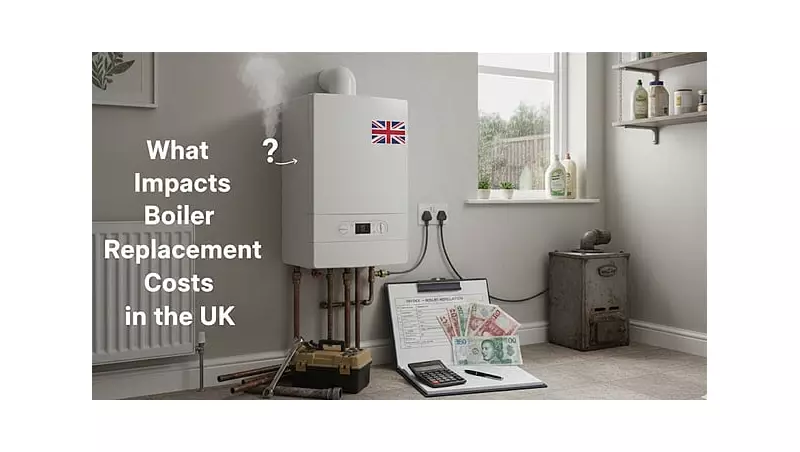
Understanding the Factors Behind Boiler Replacement Costs in the UK
Replacing a boiler is a significant investment for homeowners in the UK, with costs influenced by a variety of factors. From the type of boiler chosen to the complexity of installation, understanding these elements can help in planning and budgeting effectively. This article delves into the key aspects that impact boiler replacement expenses across the country.
Type of Boiler and Its Impact on Price
The choice of boiler plays a crucial role in determining the overall replacement cost. In the UK, common types include combi boilers, system boilers, and conventional boilers. Combi boilers, which provide hot water on demand without a storage tank, are often more affordable and easier to install, making them a popular choice for smaller homes. System boilers, suitable for larger households with multiple bathrooms, may cost more due to their need for a cylinder. Conventional boilers, also known as regular boilers, are typically the most expensive to replace because they require both a cylinder and a tank, involving more complex installation work.
Installation Complexity and Labour Costs
The complexity of the installation process significantly affects the final bill. Factors such as the location of the boiler, accessibility of the site, and any necessary modifications to the existing heating system can increase labour costs. For instance, installing a boiler in a hard-to-reach area like a loft or an external wall may require additional time and effort, leading to higher charges. Moreover, if the replacement involves upgrading pipework or radiators, this adds to the overall expense. It's essential to get quotes from certified engineers to assess these variables accurately.

Regional Variations and Market Trends
Boiler replacement costs can vary widely across different regions in the UK. Urban areas like London often see higher prices due to increased labour rates and demand, while rural regions might offer more competitive rates. Additionally, market trends, such as the push towards energy-efficient models, can influence costs. Government incentives for eco-friendly boilers may offset some expenses, but advanced models with higher efficiency ratings generally come at a premium. Homeowners should research local providers and compare prices to find the best deals.
Additional Considerations for Homeowners
Beyond the boiler and installation, other factors can impact the total cost. These include:
- Warranty and Aftercare: Opting for extended warranties or maintenance plans may increase upfront costs but provide long-term savings.
- Fuel Type: The cost can differ based on whether the boiler runs on gas, oil, or electricity, with gas boilers being the most common and often more cost-effective in the UK.
- Seasonal Demand: Prices may rise during peak seasons like winter when demand for heating services is higher.
By considering these elements, homeowners can make informed decisions and manage their budgets more effectively when planning a boiler replacement.