Unlocking Broccoli's Full Nutritional Potential Through Smart Cooking
Broccoli stands as a celebrated superfood in the culinary world, renowned for its dense nutritional profile packed with vitamin C, vitamin K, dietary fiber, and potent plant compounds that combat inflammation and support metabolic health. However, the true secret to harnessing these benefits lies not just in eating broccoli but in how it is prepared. The star molecule, sulforaphane, which is linked to numerous health advantages, requires specific conditions to form effectively. This transformation occurs when broccoli's cells are broken through chopping, chewing, or gentle cooking, activating the enzyme myrosinase. Striking the right balance in cooking methods is crucial—too much heat can destroy enzymes, while too little may affect texture and digestibility. In this guide, we explore five optimal cooking techniques that maximize broccoli's health benefits while enhancing its flavor and appeal.
Why Your Cooking Technique Matters for Nutrient Retention
Traditional methods like boiling broccoli in abundant water can significantly diminish its nutritional value. Water-soluble vitamins, including vitamin C and folate, easily leach into the cooking liquid, and prolonged exposure to high heat deactivates myrosinase, reducing sulforaphane formation. In contrast, cooking approaches that use minimal water and shorter durations, such as steaming, stir-frying, and light roasting, better preserve nutrients and promote the creation of beneficial compounds. These methods not only improve texture and concentrate flavors but also make broccoli more digestible, ensuring you reap its full health rewards without compromise.
Steaming: The Gold Standard for Nutrient Preservation
Steaming emerges as the top-recommended method by nutrition experts for cooking broccoli. Research consistently highlights that lightly steaming broccoli florets for three to five minutes retains high levels of vitamin C while maintaining sufficient enzyme activity for sulforaphane synthesis. The key is to avoid overcooking—florets should turn a vibrant green and become just tender when pierced with a knife, not limp or discolored. Using a steaming basket over simmering water prevents the vegetable from sitting in liquid, minimizing nutrient loss. To elevate the dish, consider finishing with a drizzle of olive oil, a sprinkle of lemon zest, cracked pepper, or toasted seeds, adding flavor without undermining the health benefits.

Stir-Frying: A Quick and Flavorful Approach
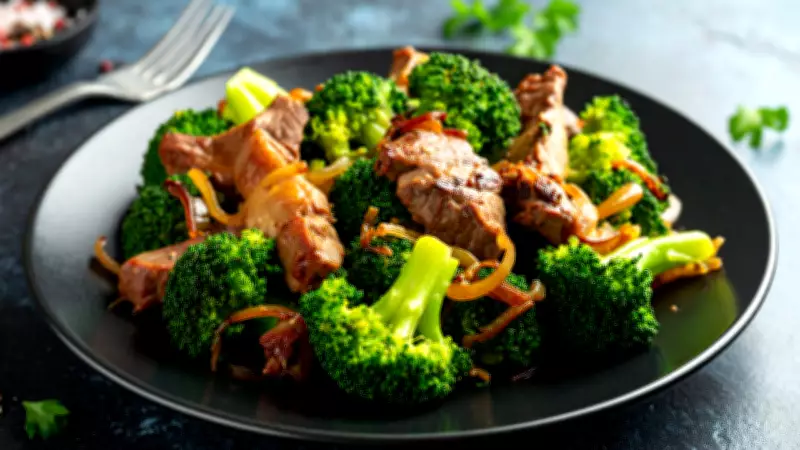
Stir-frying offers a rapid and effective way to cook broccoli while preserving its nutrients. By using high heat for a brief period in a pan with a small amount of oil, this method limits vitamin loss and enhances the absorption of fat-soluble nutrients due to the presence of oil. Cutting broccoli into bite-sized pieces ensures even cooking, and ingredients like garlic, ginger, and chili can complement its natural sweetness. To achieve the best results, keep the pieces moving in the pan, avoid overcrowding, and remove them while they still retain a slight crunch at the center, balancing texture with nutritional integrity.
Roasting: Enhancing Flavor with Careful Heat Management
Roasting transforms broccoli into a deliciously caramelized and nutty dish, making it a favorite for those seeking rich flavors. From a nutritional standpoint, it remains a strong option, though slightly more aggressive than steaming or stir-frying. To protect delicate compounds, use moderate oven temperatures and shorter roasting times. Toss florets lightly in oil, spread them in a single layer, and roast until they are browned but not charred. Over-blackening can degrade antioxidants and introduce bitter notes, so monitoring the cooking process is essential to preserve both taste and health benefits.

The Chop-and-Rest Hack: A Science-Backed Tip
For an extra boost in sulforaphane content, try the chop-and-rest technique. After chopping or crushing broccoli, allow it to rest for about 30 to 40 minutes before cooking. This pause gives myrosinase time to convert precursor molecules into sulforaphane before heat is applied, ensuring that even if some enzyme is later deactivated, a significant amount of the beneficial compound has already formed. If time is limited, adding a pinch of raw, chopped broccoli, mustard powder, or radish to cooked broccoli can reintroduce enzymes and spark the same reaction, enhancing nutrient levels.
What to Avoid for Optimal Health Benefits
To maximize broccoli's health potential, steer clear of prolonged boiling and microwaving with excessive water for extended periods. These methods can lead to significant nutrient loss, dull color, and mushy texture. If using a microwave, opt for minimal water and short cooking bursts, checking frequently to prevent overcooking. In everyday cooking, lightly steamed broccoli finished with healthy fats and bright seasonings is highly recommended, followed closely by stir-frying for those who prefer bold flavors and speed. Roasting is excellent for taste, provided temperatures are kept moderate and charring is avoided.
Ultimately, the healthiest broccoli is the one you enjoy eating regularly. By treating it gently, cooking it briefly, and using its vivid green color as a guide, this humble vegetable can become a powerful and pleasurable staple in your kitchen, delivering maximum nutritional benefits with every bite.