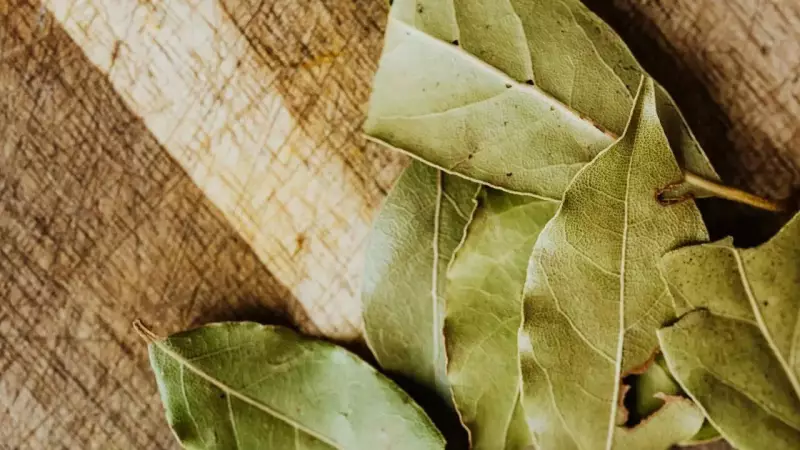
Bay Leaves: More Than Just a Kitchen Spice
Bay leaves are not only a common ingredient in soups and stews. They also act as small home protection assistants. You can use them to line drawers, cupboards, or pantries. Dried bay leaves give off a pleasant scent. This scent comes from essential oils like eucalyptol and cineole.
Why Insects Hate Bay Leaves
Insects find the smell of bay leaves unpleasant. This makes bay leaves effective home guards. They shield us against common pantry insects. These include moths, cockroaches, and ants. These pests often feast on fabric or dried foods inside the home.
Bay leaves offer a safe alternative to chemical repellents. You can use them near clothes without fear of poisoning. Other home guards like moth sprays or moth balls are unsafe near clothes and food. Bay leaves provide a natural solution.

How Bay Leaves Repel Pests
Bay leaves serve as a pest deterrent due to their strong scent. They contain essential oils such as cineole. This scent confounds or irritates pests. When placed inside cabinets or shelves, the scent keeps pests away.
Pantry moths, cockroaches, ants, and other pests commonly infest flour, grains, or dried food. They stay away once bay leaves are added. Bay leaves are a simple alternative for eliminating pests without using chemicals. This is especially useful if you have children or pets around.
Protecting Clothes with Bay Leaves
Bay leaves have many domestic applications besides cooking. They also serve as cloth protectors. Putting dried bay leaves in storage units or cabinets helps keep away cloth-consuming insects. These include cloth moths and silverfish.
Such insects prefer natural fibres like wool, cotton, or linen. The pungent smell of bay leaves makes the space less appealing to them. Bay leaves can also prevent storage areas from stinking. This reduces the need for artificial air fresheners or mothballs.
Simple Ways to Use Bay Leaves
For optimal use of bay leaves at home, keep certain points in mind. Whole, dried bay leaves are better than bay leaf powder. Dried leaves conserve essential oils longer. They emit their aroma more slowly.
Place three to five bay leaves in every drawer and every shelf of the cabinet. The aroma of the bay leaves will reduce with time. Replace them every two to three months. This depends on the concentration of the aroma.
Combine these methods with optimal cupboard and drawer cleaning. This enhances the effectiveness of bay leaves as home protectors.
Other Uses for Bay Leaves
Bay leaves are more than just cooking herbs. Crushed and mixed with baking soda, they can be used as a natural deodoriser. Stuff them in cloth sachets. These sachets help absorb and reduce smells in closets or refrigerators.
You can also use bay leaves in homemade cleaning mixtures. Their mild scent freshens rooms and surfaces while cleaning. Bay leaves are quite simple and very useful for various household tasks.