Rediscovering the Lost Art of Babool Kikar Pickle: A Culinary Heritage
In the quiet, sun-drenched villages of India, a unique fragrance lingers in the air—not from modern perfumes or packaged goods, but from the earth itself. This scent, a blend of warm soil, dry breezes, and ancient trees, whispers of a culinary tradition that has nearly faded into obscurity. Among these trees stands the babool, also known as kikar, a thorny and resilient species once cherished in rural kitchens but now often overlooked in our fast-paced world.
The Resilient Spirit of the Kikar Tree
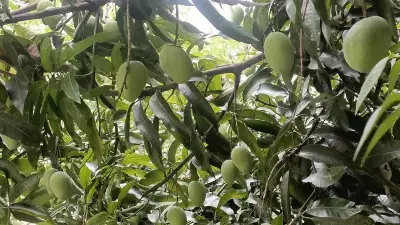
Across the arid landscapes of Punjab, Rajasthan, and Haryana, the kikar tree thrives against all odds. Withstanding harsh sunlight and scarce water, its unwavering presence mirrors the enduring spirit of rural life. Historically, every part of this tree held value—from its gum and leaves to its bark and pods—ensuring nothing went to waste. Yet, what remains most vivid in collective memory is the babool kikar pickle, a tangy and spicy condiment that once graced countless family meals.
In an era where exotic ingredients and imported superfoods dominate culinary trends, we risk forgetting the quiet treasures rooted in our own soil. Babool kikar is one such gem, deeply intertwined with land, memory, and the art of home cooking. It represents a time when food was not just sustenance but a story passed down through generations.

A Childhood Memory of Tradition and Nourishment
Many recall vivid images from their youth, such as grandmothers sitting beneath kikar trees, baskets in lap and large martbaan jars by their side. To children, these trees were merely prickly obstacles, but they held a secret: their tender pods and buds were transformed into a unique pickle. In village kitchens, the process began with mustard oil heating slowly, releasing its sharp aroma, followed by the crackle of mustard seeds, the warmth of fenugreek, the sweetness of fennel, and the boldness of red chilli. When babool pods were added, a magical fusion occurred—creating a flavour that was tangy, spicy, earthy, and delightfully wild.
Beyond its taste, this pickle was revered for its health benefits. Traditionally, the bark and gum of the babool tree were known to aid digestion and soothe stomach discomfort. It also supported oral health by strengthening gums and maintaining hygiene naturally. Some even attribute mild anti-inflammatory properties to it, promoting gentle healing over time. Thus, it wasn't merely food; it was nourishment in its truest sense, embodying a holistic approach to wellness.
The Unforgettable Character of Babool Kikar Pickle
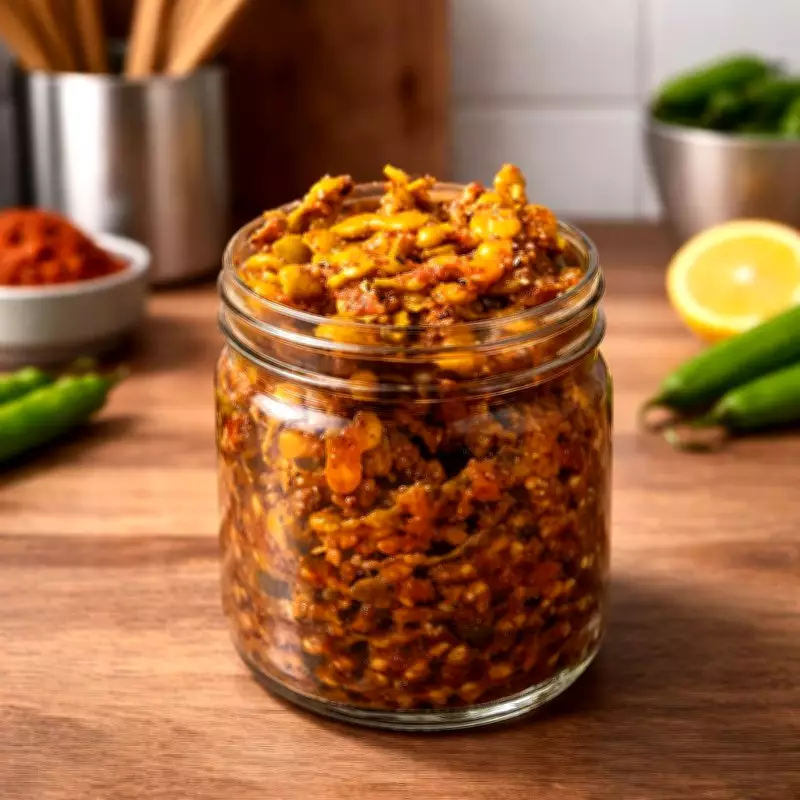
This pickle was anything but ordinary—it had a strong, unapologetic character that left a lasting impression. Paired with garma garam paranthas, makki di roti, or simple dal and rice, it could elevate an entire meal to something extraordinary. The preparation involved filling martbaan jars with the mixture and placing them under the sun, allowing sunlight to deepen the flavours over days. When ready, just a small bite with a warm parantha could make the world feel complete, offering a taste that was tangy, spicy, and ruggedly authentic.
For many, kikar was never just a tree; it was a vessel of memory, nourishment, and tradition. Even today, if you were to step into an old Punjabi kitchen frozen in time, you might still find a martbaan jar tucked away in a corner, filled with babool kikar pickle. Within it lies the warmth of the sun, the strength of the land, and the love of the hands that crafted it—a testament to a fading culinary heritage.
Recipe: Babool Kikar Ki Phali Ka Achaar
Ingredients:
- Tender babool/kikar pods or flowers: 2 cups
- Mustard oil: 1/2 cup
- Mustard seeds (rai), coarsely ground: 2 tbsp
- Fennel seeds (saunf), coarsely crushed: 1 tbsp
- Nigella seeds (kalonji): 1 tbsp
- Fenugreek seeds (methi), lightly crushed: 1 tsp
- Red chilli powder (adjust to taste): 1 tbsp
- Turmeric powder: 1/2 tsp
- Salt (or to taste): 2 tbsp
- Lemon juice or dry mango powder (amchur): 2 tbsp
- Asafoetida (hing): 1 tsp
Method:

- Wash the babool/kikar pods or flowers thoroughly and dry them completely in the shade to remove all moisture.
- Heat mustard oil until it reaches the smoking point, then allow it to cool slightly.
- Add hing, mustard seeds, fennel, nigella, and fenugreek seeds to the oil, stirring to release their aromas.
- Mix in turmeric, red chilli powder, and salt until well combined.
- Add the dried babool pods or flowers, ensuring they are evenly coated with the spice mixture.
- Incorporate lemon juice or amchur, mixing thoroughly.
- Transfer the mixture to a clean, dry glass jar. Place the jar in sunlight for 4-5 days, shaking it daily to promote even fermentation.
- Once matured, store in a cool place and enjoy with your meals.
This recipe, shared by Chef Harpal Singh Sokhi, offers a glimpse into a culinary tradition that deserves revival. As we navigate modern food trends, let us not forget the earthy, real flavours that have nourished generations.