8 Ancient Food Preservation Methods Still Practiced in Modern Kitchens
Long before refrigerators and freezers became standard in kitchens worldwide, the concept of food preservation held a distinct and varied significance. Historically, communities across the globe depended on traditional techniques to extend the shelf life of their food supplies. According to food experts, these age-old methods not only prevented spoilage but also enriched flavors, boosted nutritional value, and minimized food wastage. Remarkably, many of these time-honored practices continue to be effective and are actively employed in Indian households and diverse culinary traditions today. Here is an in-depth look at eight ancient food preservation methods that remain relevant and useful in contemporary settings.
Sun Drying: Harnessing Natural Elements
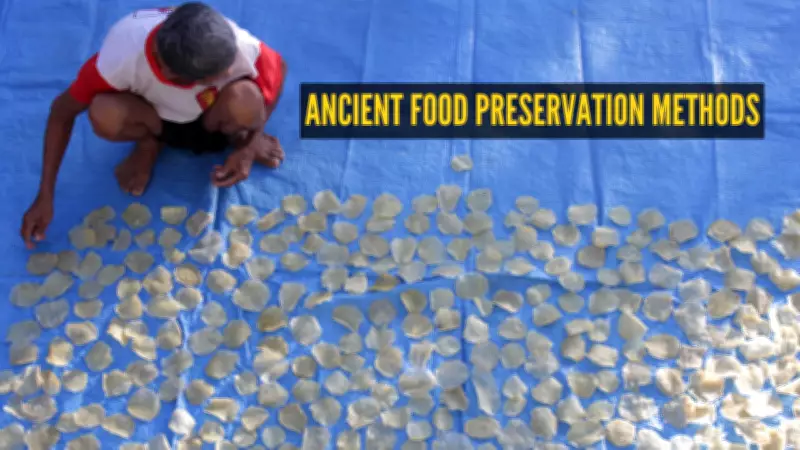
Sun drying stands as one of the oldest and most straightforward food preservation techniques known to humanity. In this process, food items are exposed to direct sunlight and warm air, which effectively removes moisture and inhibits the growth of bacteria, yeast, and mold. This method is primarily utilized for preserving fruits, vegetables, grains, herbs, and even fish. In India, common examples include papad, sabudana papad, dried chilies, and dried mango slices, known as amchur, all of which are typically sun-dried to maintain their quality and longevity.
Fermentation: Boosting Gut Health
Fermentation is a natural preservation method where beneficial bacteria convert sugars into acids or alcohol, creating an environment that is hostile to harmful microorganisms. Beyond extending shelf life, this technique enhances the food's probiotic properties, making it beneficial for gut health. It is widely used for products such as yogurt, pickles, dosa batter, idli batter, kimchi, sauerkraut, and kombucha, showcasing its versatility across different cuisines.

Pickling: Adding Bold Flavors
Pickling is another traditional preservation method that involves using salt, vinegar, oil, or brine to create an acidic or salty environment, which prevents bacterial growth. This technique is predominantly employed for making pickles from ingredients like mango, radish, lemon, and various other vegetables. The process not only preserves the food but also imparts bold, spicy flavors that are cherished in many culinary traditions.
Salting: Drawing Out Moisture
Salting is one of the most reliable preservation techniques used throughout history. Experts explain that salt works by drawing moisture out of food through osmosis, thereby inhibiting the growth of bacteria and other microorganisms. This method is commonly applied to preserve fish, meat, and certain vegetables, ensuring they remain safe for consumption over extended periods.
Smoking: Infusing Natural Compounds
Smoking is an ancient food preservation method where food is exposed to smoke from burning wood. The smoke contains natural compounds that slow bacterial growth and also slightly dry the food. Traditionally used in coastal and mountainous regions, this technique is primarily employed for preserving fish, meat, and cheese, adding a distinctive smoky flavor to the products.
Sugaring: Concentrating Sweetness
Under the sugaring method, fruits are typically cooked or stored with large amounts of sugar. The high sugar concentration prevents bacterial growth by drawing water out of the food. This traditional approach is used to create jams, jellies, marmalades, and candied fruits, offering a sweet and preserved alternative for various fruits.
Oil Preservation: Blocking Air Exposure
Oil preservation involves using oil as a protective layer to block air and prevent spoilage. This technique has long been practiced in Mediterranean and Indian cooking. It is mainly used for items like garlic pickle, sun-dried tomatoes stored in olive oil, and herb-infused oils, effectively sealing in freshness and flavor.
Underground Storage: Maintaining Cool Temperatures
As the name suggests, underground storage involves burying food items in the ground to maintain a cool and stable temperature. This method typically uses clay pots or root cellars buried deep in soil to store grains, potatoes, onions, and other root vegetables, leveraging the earth's natural insulation to keep food fresh.

These eight ancient food preservation methods demonstrate the ingenuity of traditional practices that continue to offer effective solutions in modern kitchens, blending heritage with practicality.