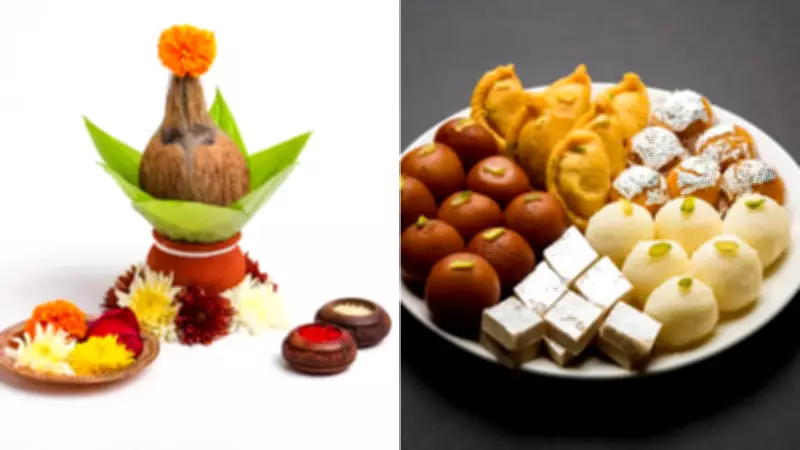
Akshaya Tritiya 2026: The Significance of Auspicious Foods for Eternal Prosperity
Akshaya Tritiya, also known as Akha Teej, is a highly revered Hindu festival observed on the third lunar day of the bright half of the month of Vaishakha. In 2026, this auspicious day falls on April 19. The term "Akshaya" translates to "never diminishing," symbolizing eternal prosperity and unending abundance. Traditionally, devotees invest in gold, offer prayers to Lord Vishnu and Goddess Lakshmi, and consume specific foods believed to attract good fortune and blessings.
Traditional Foods and Their Symbolic Meanings
On Akshaya Tritiya, certain dishes are prepared and consumed to invite prosperity into households. Each food item carries deep symbolic significance rooted in cultural beliefs and legends.
- Kheer (Rice Pudding): This sweet dish, made from rice, milk, and sugar, represents prosperity and abundance. It is believed that the combination of rice and milk signifies a complete and prosperous life. Offering kheer to deities is thought to bring blessings of harmony and wealth to the family.
- Puri-Sabzi: A popular combination of deep-fried puris served with a flavorful vegetable curry, often made with potatoes and spices like turmeric and garam masala. This dish is considered a symbol of a prosperous and fulfilling life, making it a staple for the festival.
- Puran Poli: A Maharashtrian flatbread stuffed with jaggery and lentils. The jaggery adds sweetness to life, while the lentils symbolize strength and sustenance. Together, they promote a balanced and prosperous future.
- Laddoo: A traditional sweet made from flour, ghee, and sugar, laddoos are offered as symbols of blessings and good fortune during the festival.
- Lapsi: A traditional dish prepared with wheat, ghee, and jaggery. According to legends, lapsi is associated with growth and abundance, with wheat representing fertility and expansion.
- Pongal: Another rice pudding, typically cooked in a clay pot over an open fire. In Tamil beliefs, if the milk and water mixture boils over the pot, it is said to bring good luck and prosperity to the family. Pongal symbolizes harmony, abundance, and good health.
- Halwa: A rich, sweet dessert made from wheat flour, sooji, or besan, halwa is often linked to the festival. It symbolizes happiness and prosperity, making it an integral part of the celebrations.
- Mangoes: In many Indian cultures, mangoes are considered symbols of good fortune. They are commonly served on Akshaya Tritiya to attract good luck and success.
Cultural and Spiritual Significance
The consumption of these foods on Akshaya Tritiya is deeply intertwined with Hindu spirituality and cultural practices. Each ingredient and dish is chosen for its symbolic properties, which align with the festival's theme of eternal prosperity. For instance, the use of dairy products like milk and ghee in many recipes signifies purity and nourishment, while grains like rice and wheat represent sustenance and growth.

Moreover, the act of preparing and sharing these foods with family and community reinforces social bonds and collective well-being. It is believed that partaking in these auspicious meals not only brings individual good fortune but also fosters a sense of unity and shared prosperity.
In conclusion, Akshaya Tritiya 2026 offers a unique opportunity to embrace traditional culinary practices that are rich in symbolism. By understanding the meanings behind these foods, devotees can enhance their celebrations and invite lasting prosperity into their lives.