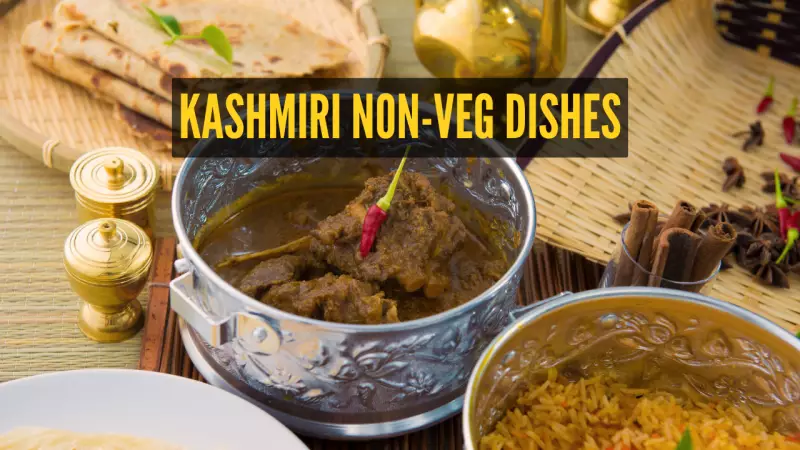
As the winter chill sets in across the Indian subcontinent, the culinary spotlight turns to the valley of Kashmir. Renowned for its rich, aromatic, and slow-cooked delicacies, Kashmiri cuisine offers a perfect gastronomic antidote to the cold. Experts highlight that these traditional non-vegetarian dishes are not just about flavour; they are designed to provide warmth and energy during the harsh winter months.
The Essence of Kashmiri Winter Cuisine
Kashmiri non-vegetarian cooking is a centuries-old art form, refined by climate and culture. Its signature lies in the use of specific spices like fennel powder (saunf), dry ginger (sonth), and whole spices, which create deep, complex flavours without relying on common bases like onions, tomatoes, or excessive chilli. This results in dishes that are uniquely aromatic and hearty. From the world-famous Rogan Josh to the comforting porridge-like Hareesa, each dish tells a story of tradition.
Must-Try Traditional Dishes for the Season
Here is a curated list of nine classic Kashmiri non-vegetarian dishes that are best enjoyed in the winter season, as highlighted on January 11, 2026.

Monjje Ti Maaz: This is a flavourful curry combining tender lamb with kohlrabi and greens. It gets its distinctive taste from shallots, garlic, cumin, cardamom, turmeric, and the quintessential fennel powder.
Kashmiri Yakhni: A classic mutton curry that defies common Indian cooking norms. It is prepared without onions, tomatoes, or red chilli. Instead, it derives its creamy texture and flavour from whisked yogurt, fennel powder, dry ginger, and whole spices like bay leaf, cloves, cardamom, and cinnamon.
Aab Gosht: Translating to 'water meat', this dish features bone-in mutton simmered in a delicate broth of milk, ginger powder, fennel powder, ghee, and salt. It is traditionally savoured with steamed rice.
Cheat's Lamb Korma: A rich and aromatic lamb korma that uses curd, tomatoes, shallots, garlic, and a blend of spices including coriander, cumin, cardamom, cassia, and cloves.
Dhaniwal Korma Pulao: Reflecting the Kashmiri love for rice, this hearty pulao is made with lamb, peas, shallots, and a mix of whole spices like cumin, green cardamom, black pepper, and cloves. It is often paired with a tangy chutney.
Ruvaangan Kuffte: This dish consists of succulent lamb meatballs served in a spiced tomato sauce. The koftas are made from minced lamb mixed with garlic, ginger, and coriander, while the sauce is flavoured with shallots, black cardamom, cumin, coriander seeds, pepper corn, tomatoes, and cinnamon.
Hareesa: A traditional slow-cooked winter specialty with a porridge-like consistency. It is made by patiently cooking mutton or lamb with rice, milk, water, ghee, salt, and mild spices until it reaches a smooth, comforting texture, perfect with bread.
Roghan Josh: Perhaps the most iconic Kashmiri meat dish. This involves mutton or lamb slow-cooked to perfection in a gravy of curd, mustard oil, and a bouquet of whole and Kashmiri spices. It is a centrepiece dish enjoyed with both bread and rice.
Rista: A celebrated part of the grand Wazwan feast, Rista are delicate meatballs made from minced mutton. They are poached in a vibrant red gravy infused with spices like ratan jot (a natural colourant), fennel, cloves, and cardamom.
Why These Dishes Define Winter Dining
These nine dishes exemplify how Kashmiri cuisine turns necessity into art. The slow-cooking methods and specific spice blends are not arbitrary; they are time-tested responses to the cold climate. Ingredients like dry ginger and fennel are known for their warming properties in Ayurveda, while the use of energy-rich meats and ghee provides sustained warmth. This culinary tradition, perfected over generations, offers a delicious and practical way to embrace the winter season, making Kashmiri non-vegetarian food a must-experience gastronomic journey.