Beyond Sweets: 8 Unique Meat Traditions That Shape Holi Feasts Across India
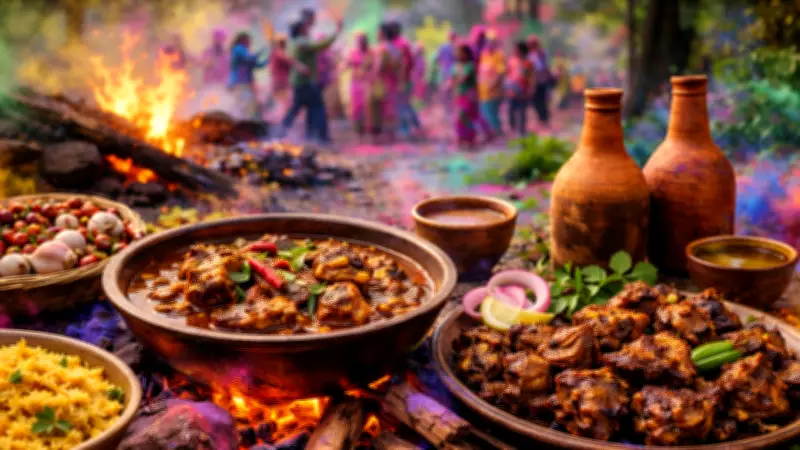
Holi is widely celebrated with vibrant colors and vegetarian sweets, but across many parts of India, the festival also heralds a time of culinary indulgence with meat-based feasts. Historically linked to agricultural cycles, seasonal hunting, and community gatherings, Holi often serves as a socially accepted moment to enjoy rich, slow-cooked dishes after the symbolic purification of Holika Dahan. This exploration delves into how different regions bring meat to the Holi table, each tradition shaped by local history, climate, and cultural practices.
Rajasthan: Laal Maas and Jungli Maas Feasts
Among Rajput communities in Rajasthan, Holi is followed by hearty non-vegetarian feasts, contrasting with the sweets popular elsewhere. Dishes like laal maas, a deep red mutton curry featuring smoky Mathania chillies, and jungli maas, a rustic preparation from royal hunting expeditions, take center stage. Laal maas is slow-cooked in ghee with yoghurt, garlic, and dried chillies until the gravy becomes rich and intensely flavored. Jungli maas, on the other hand, is deliberately simple, using only meat, chillies, salt, and fat. These meals reflect Rajasthan's martial past, serving as communal feasts that mark the seasonal shift before the harsh desert summer begins.
Tribal Central India: Mutton and Mahua During Spring Fairs
In parts of Madhya Pradesh and Chhattisgarh, Holi coincides with spring celebrations like Bhagoria, observed by Bhil and other tribal communities. The festival features lively fairs, dancing, and communal meals prepared outdoors. Food here embodies an outdoor, seasonal spirit with country-style mutton curries, fire-roasted or smoked meats, and dishes shared alongside fermented mahua liquor. Meat is typically slow-cooked over wood fires with garlic, chillies, and local spices, developing smoky, earthy flavors rather than heavy gravies. For these communities, such meals symbolize abundance, successful hunting seasons, and the collective joy of welcoming spring together.

Goa: Choris and Sorpotel During Shigmo Season
In Goa, the spring festival of Shigmo aligns with Holi, and festive tables, especially in Catholic households, feature pork dishes influenced by Indo-Portuguese heritage. Celebratory meals often include Goan choris, spicy smoked sausages, and sorpotel, a tangy, slow-cooked pork preparation known for its deep, matured flavor. Sorpotel is made by simmering pork and liver with vinegar, garlic, and a robust spice paste, allowing complexity to develop as it cooks and rests. It is typically served with sannas, soft fermented rice cakes that balance the curry's sharpness. These bold, vinegar-forward flavors reflect coastal preservation traditions suited to Goa's humid tropical climate.
West Bengal: Dol Jatra's Fish and Kosha Mangsho
In Bengal, Holi is observed as Dol Jatra, and the festive table mirrors other Bengali celebrations where fish and meat are central. Meals often include mustard-based fish curries alongside kosha mangsho, a slow-bhuna mutton preparation with deep, layered flavors. The mutton is cooked gradually in mustard oil with onions, yoghurt, and whole spices, reduced until the gravy darkens and oil separates, creating a rich, caramelized intensity. Rather than a strictly vegetarian menu, many Bengali households treat the day as a complete festive feast, balancing robust savory dishes with traditional sweets to mark spring's arrival.
Assam: Duck Curry and Rice Beer Celebrations
In Assam, spring celebrations coinciding with Holi often involve community feasts where duck, a prized ingredient, takes center stage. Festive meals commonly feature duck cooked with roasted sesame seeds or ash gourd, accompanied by smoked meats and homemade rice beer (xaaj), reflecting agrarian rhythms. The duck is slow-simmered with ginger, herbs, and toasted sesame paste, developing a warm, nutty flavor rather than heavy spice. These protein-rich dishes traditionally mark the transition into a new agricultural season, celebrating renewal, harvest cycles, and collective gatherings at spring's arrival.

Eastern Uttar Pradesh and Bihar: "Holi Ke Baad Wali Mutton Curry"
In rural parts of eastern Uttar Pradesh and Bihar, Holi follows a familiar rhythm: mornings filled with sweets, snacks, and bhang, followed by a hearty mutton meal as celebrations settle. The curry is typically cooked in mustard oil, starting with deeply browned onions, garlic, and whole spices, then slow-simmered until the meat becomes tender and the gravy rich and intensely flavored. For many families, the burning of Holika symbolizes a shift from restraint to celebration, making festive indulgence, including meat, a shared part of the day's enjoyment.
North India: Community Biryani Feasts
Across urban North India, Holi celebrations often conclude with large, shared pots of mutton or chicken biryani prepared for extended family gatherings. This dish brings people together not just for its flavor but for its sense of occasion, designed to be cooked in quantity and eaten communally. Marinated meat is layered with partially cooked basmati rice, fried onions, saffron milk, and fresh herbs, then sealed and slow-cooked on dum, allowing fragrant steam to permeate every grain. Its popularity lies in practicality: a single pot that feeds many, perfectly suited to the lingering togetherness after a day of color and celebration.
Uttarakhand (Garhwal): Mutton with Bhaang Chutney
In the Garhwal hills of Uttarakhand, Holi gatherings reflect mountain food traditions, with meals designed to provide warmth and sustained energy in cooler climates. Festive plates commonly pair slow-cooked mutton curry with mandua (finger millet) rotis and bhaang ki chutney, a nutty condiment made from roasted hemp seeds. The chutney is ground with coriander, garlic, lemon, and spices, adding an earthy flavor while remaining non-intoxicating despite its name. This meal embodies the practicality of Himalayan cooking, being nourishing, robust, and deeply connected to local ingredients and seasonal needs.