7 Essential Flower Seeds to Plant in February for Continuous Garden Colour
February represents a crucial transitional period in the gardening calendar across India. While cooler temperatures may still prevail in many regions, this month offers the perfect opportunity to begin sowing specific flower seeds indoors or under protective conditions. Early planting during this period allows seedlings to develop robust root systems and healthy foliage, ensuring they are well-prepared for transplantation when outdoor conditions become favourable.
Why February Sowing Matters for Indian Gardens
Strategic planting in February provides numerous advantages for gardeners seeking vibrant, long-lasting displays. By starting seeds early, plants gain valuable growing time that translates to earlier and more abundant blooms throughout spring and summer. This approach is particularly beneficial for hardy and half-hardy annual varieties that thrive with extended development periods before facing warmer weather.
Marigolds: The Classic Garden Companion
Marigolds remain among the most popular and straightforward flowers to cultivate from seed during February. These sun-loving plants bring cheerful golden and orange hues to garden spaces while offering practical benefits. Many gardeners value marigolds for their natural pest-deterrent properties, particularly in vegetable garden settings. Starting seeds indoors this month ensures strong seedlings ready for transplantation after the final frost, resulting in continuous vibrant blooms throughout warmer seasons.

Geraniums: Fragrant Summer Favourites
Known for their colourful clustered blooms and pleasant fragrance, geraniums make excellent candidates for February indoor sowing. Providing adequate warmth and care during this early stage gives these plants a significant head start before outdoor planting. Experienced gardeners often use this period to prune overwintered geraniums, encouraging fresh growth that leads to abundant flowering. These versatile plants brighten containers, balconies, and garden borders with their long-lasting floral displays.
Rudbeckia: Bold and Pollinator-Friendly
Rudbeckia, commonly called Black-eyed Susan, produces striking yellow petals with distinctive dark centres that create dramatic garden visuals. These native flowers serve as excellent pollinator attractors, supporting healthy garden ecosystems. Seeds can be started indoors several weeks before the last frost or sown directly in warmer regions toward late February. Their natural resilience and bright coloration make rudbeckias ideal for maintaining visual interest throughout extended growing seasons.
Cornflowers: Charming Cottage Garden Staples
Cornflowers, also known as Bachelor's buttons, offer charming sky-blue blooms alongside pink, purple, red, and white varieties. These annuals reseed readily, attract beneficial pollinators and birds, and complement cottage-style or wildflower garden designs perfectly. February indoor sowing helps seedlings establish early, leading to prolific flowering later in the season and continuous natural colour throughout garden spaces.
Petunias: Versatile Colour Providers
Petunias rank among the most popular flowering annuals due to their extensive colour range and extended blooming season. Since these plants develop relatively slowly from seed, gardeners frequently begin petunia seeds indoors during late winter or February. This timing allows sufficient development for strong seedlings before transplanting outdoors after frost danger passes. Once established, petunias flower continuously through spring and summer, making them perfect for borders, hanging baskets, and containers requiring lasting seasonal colour.
Larkspur: Elegant Vertical Accents
Producing tall, elegant flower spikes ideal for decorative displays and floral arrangements, larkspur adds vertical structure to garden designs. These hardy annuals often benefit from cold periods for proper germination, making late winter or February sowing particularly advantageous. Early starting helps plants mature in time for impressive blooms that contribute soft colour tones and enhance seasonal garden variety.

Snapdragons: Distinctive Seasonal Performers
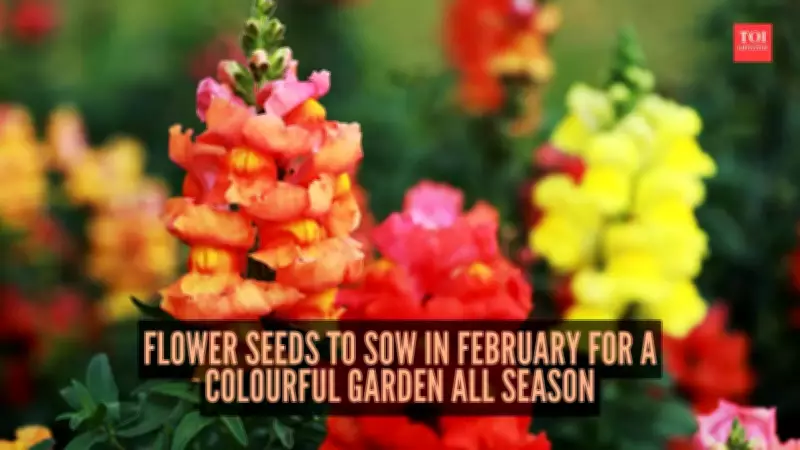
Recognised for their unique "dragon"-shaped blooms and diverse colour spectrum, snapdragons remain garden favourites. As relatively slow-growing plants, starting seeds indoors during February produces robust seedlings ready for transplantation when weather conditions improve. With their extended blooming season and versatility for borders or containers, snapdragons provide essential colour and interest throughout most gardening periods.
Planning Your February Garden Success
Planting flower seeds in February represents a simple yet highly effective strategy for establishing colourful gardens that flourish throughout the year. By selecting appropriate varieties like marigolds, petunias, and snapdragons, gardeners can ensure continuous blooms, support beneficial pollinators, and enhance outdoor spaces with diverse hues and textures. Careful planning during this transitional gardening phase ultimately rewards enthusiasts with lush, vibrant gardens that celebrate the beauty of spring and summer seasons.